
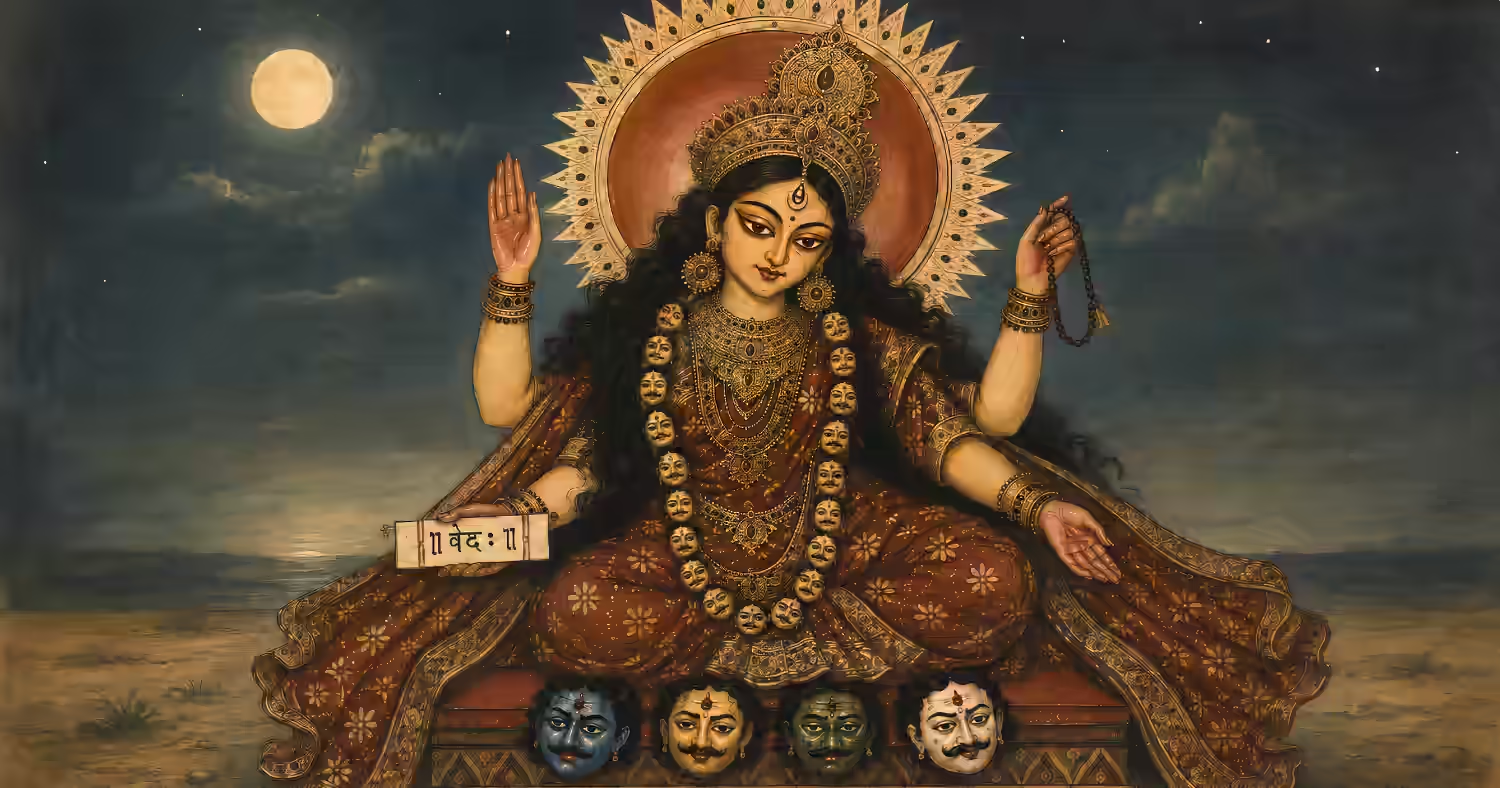
The Aim Hreem Kleem Chamundaye Vicche mantra popularly known as the Navarna Mantra is of great significance among the Shakta traditions. It is filled with Beeja Mantras and is therefore extremely potent.
This article will focus primarily on the meaning and impact of the specific Beejaksharas and not much on the process of Sadhana itself. Here, we also discuss the do’s, don’ts and the requirements to chant this sacred mantra of the Divine Mother.
The Hidden Power of the Navarna Mantra
We must first have an overall understanding of the mantra, its structural power and then decide if we are ready to accept the mantra while following all the rules. This is important as Mantras are vibrations and they do not make exceptions. If we take up the Navarna mantra, especially for personal benefit then following rules and restrictions become necessary.
The Beejaksharas in it are not just sounds that are joined arbitrarily. They are part of Devi’s sonic energy and therefore have concentrated Shakti. They exist even within our body in highly abstract and encoded forms. Therefore, Beejaksharas connect the chanter with Shakti .
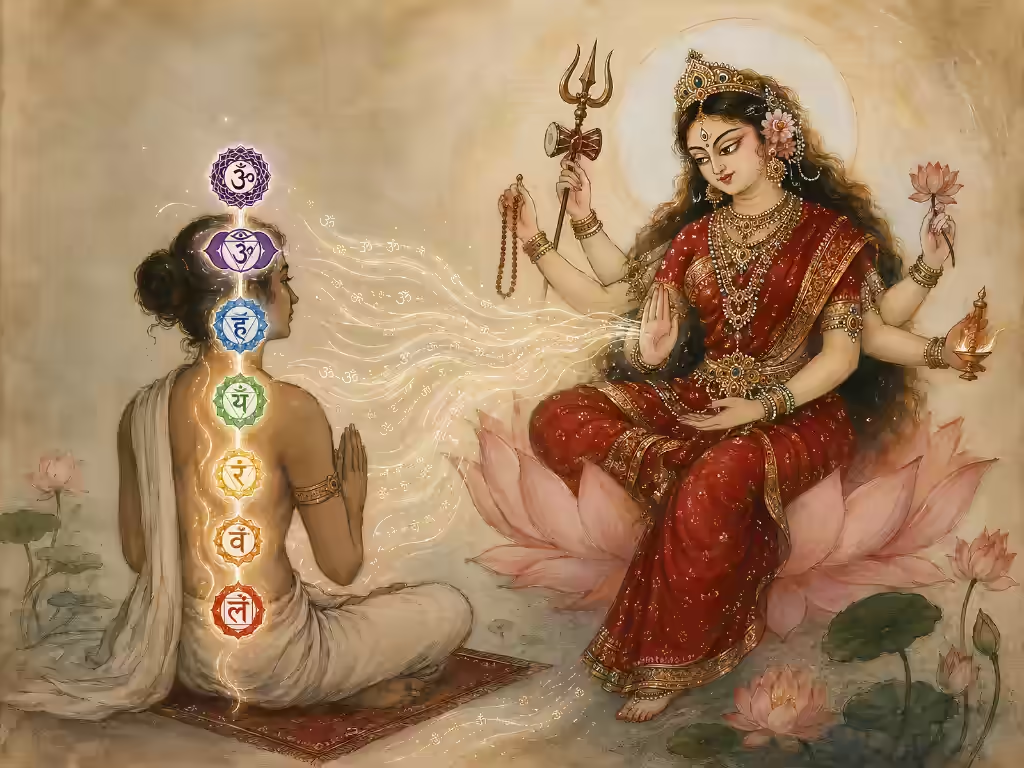
For the spiritual process to unfold without any hindrance, guru guidance and following rules become necessary.
The Navarna mantra is expanded through the popular Siddha Kunjika Stotram. The Rudrayamala and Gauri Tantra speak highly about the Navarna mantra.
What does “Om Aim Hreem Kleem Chamundaye Vicche” mean?
In essence this Mantra invokes the Cosmic, knowledge, nurturing, wish fulfilling / attracting and protective qualities of Devi. But, we must explore the important aspects of the Om Aim Hreem Kleem Chamundaye Vicche mantra to realize its full potential.
Om is the source-Beeja. It is used in mantras to draw us closer to cosmic power. Just as in a Yantra, the Bindu or central dot represents the deity’s domain; in a Beeja Mantra, Kuta refers to the portion where the deity’s power is fully concentrated.
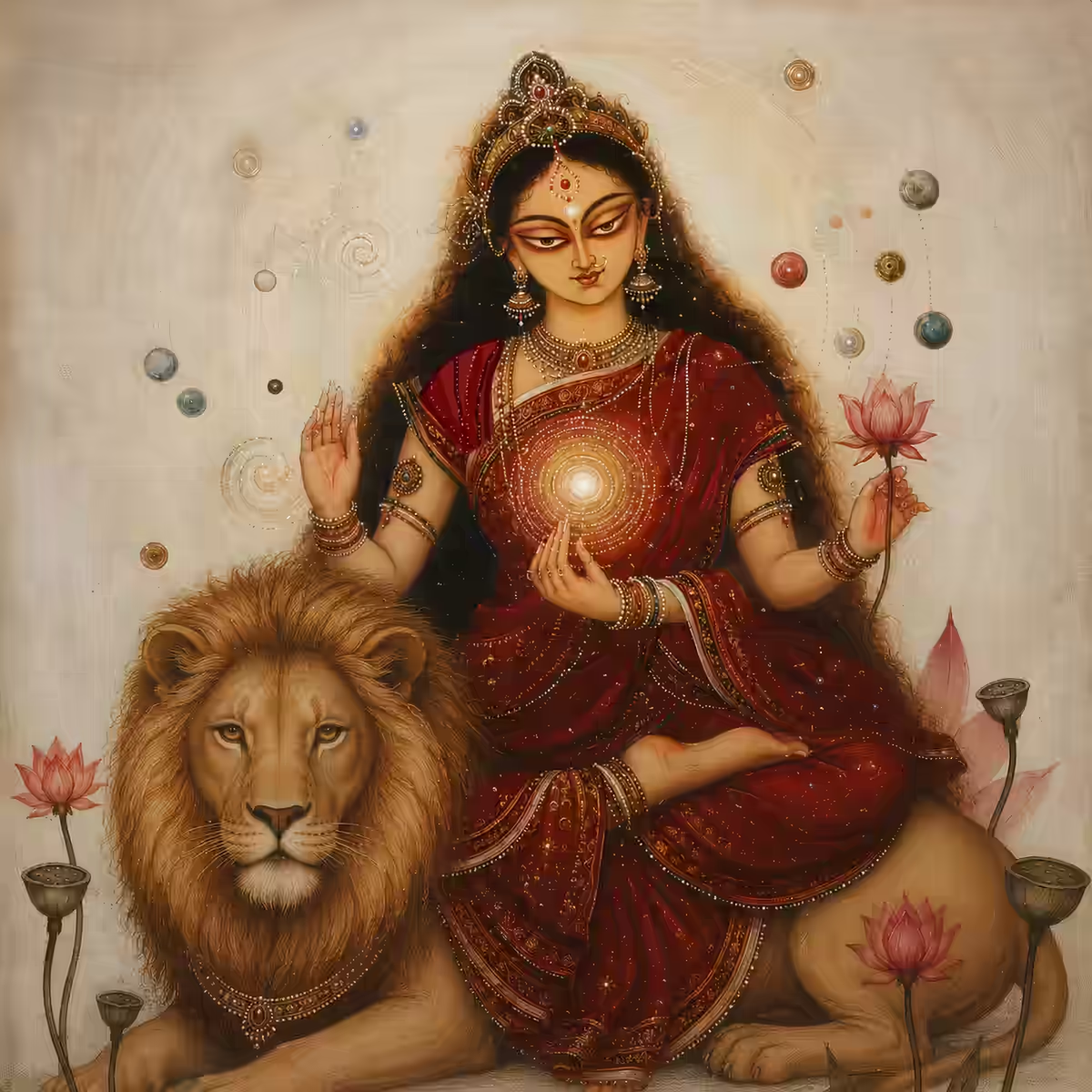
Om is used in the beginning as it carries enormous power. It sustains the focus of the chanter until ‘Chamundaye’ is chanted. Chamundaye is the Kuta of the Navarna Mantra as it reveals the chief form of Devi. Finally, the mantra slope ends with Vicche that releases the accumulated Mantra Shakti into the universal mind. Thus, by the end of the Mantra, the Sadhaka submits his intent to the Divine Mother. With regular and long term Sadhana, the Mantra manifests suitable outcomes as it is a bridge leading us to Devi.
For a deeper explanation of Om Aim Hreem Kleem Chamunda Mantra benefits, yantra support, and safe practice, seekers may also study the Chamunda mantra and yantra guide.
Aim: Seed of Knowledge or Jnana
Aiṁ is the Jñāna Bīja and corresponds to Sri Mahasaraswati. The Siddha Kunjika Stotram verse 8, “ऐँ-कारी सृष्टि-रूपायै”, reveals that creation arises from the Divine Power of Knowledge.
In a more literal sense, sṛṣṭi means ‘creation’ and rūpāyai means ‘whose form is.’ Thus, we offer our salutations to the Divine Mother whose very form is the universe. She expresses Herself through the power of Aiṁ.
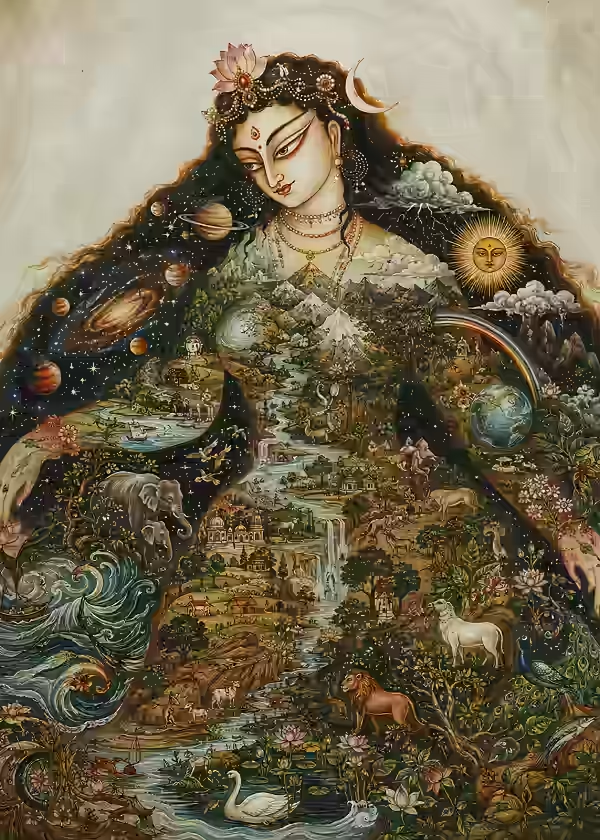
On a contemplative note, when spiritual knowledge (Aiṁ) awakens, the veil of ignorance is lifted. Then the jñānī realizes that the universe is non-different from Consciousness or Devi. Nature gradually reveals Her deeper reality to the sadhaka. One moves from ignorance (ajnana) to wisdom (jnana).
Hreem: Seed of Sustenance
Siddha Kunjika Stotram verse 8- ह्रीँकारी प्रतिपालिका establishes Hreem as the Beeja for sustenance. Pratipalika means the nurturer of creation. Therefore this verse invokes the Mother goddess who in the form of Hrīṁ, maintains and protects creation.
Hrīṁ is the principal bīja of Devi Bhuvaneshwari. She is the Cosmic Mother who governs the universe. In this verse, Her sustaining aspect is emphasized through the word pratipālikā.
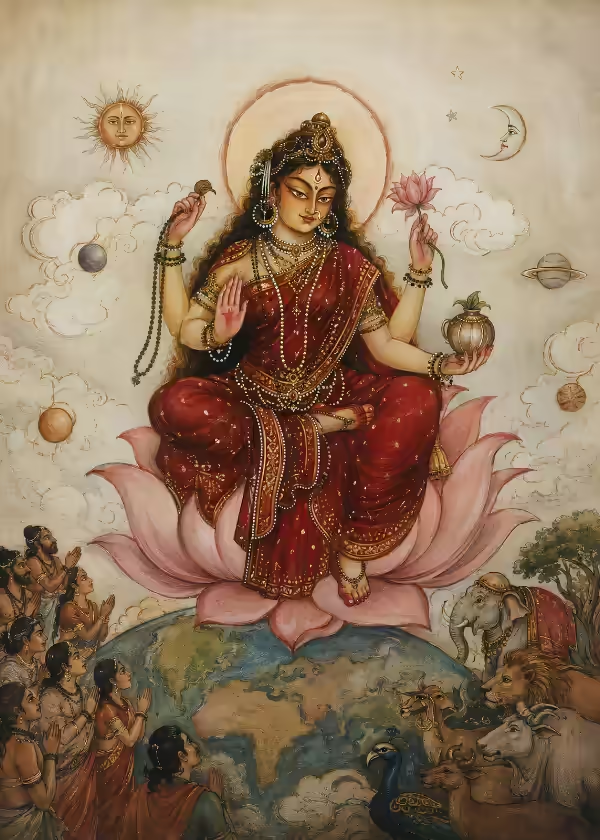
According to some traditions, this portion also corresponds to Goddess Lakshmi. This is because wealth and abundance play a crucial role in sustaining the material creation.
Kleem: Seed of Attraction
Siddha Kunjika Stotram verse 8- क्लीँकारी काम-रूपिण्यै states that Devi is the Beeja Kleem embodying desire. It directly corresponds to Devi Lalitha Tripurasundari who is known as Kameshwari. She is the fulfiller of all Desires.
However, certain traditions associate the Kleem Beeja with Devi Kali. This is because of Her symbolism with Time.
While time signifies decay, it also symbolizes renewal or creation which is an aspect of Kleem. A seed is left to time so that it blossoms into a beautiful flower. Likewise, a child turns into a youth due to the passage of time. So, both time and creation are cyclic.
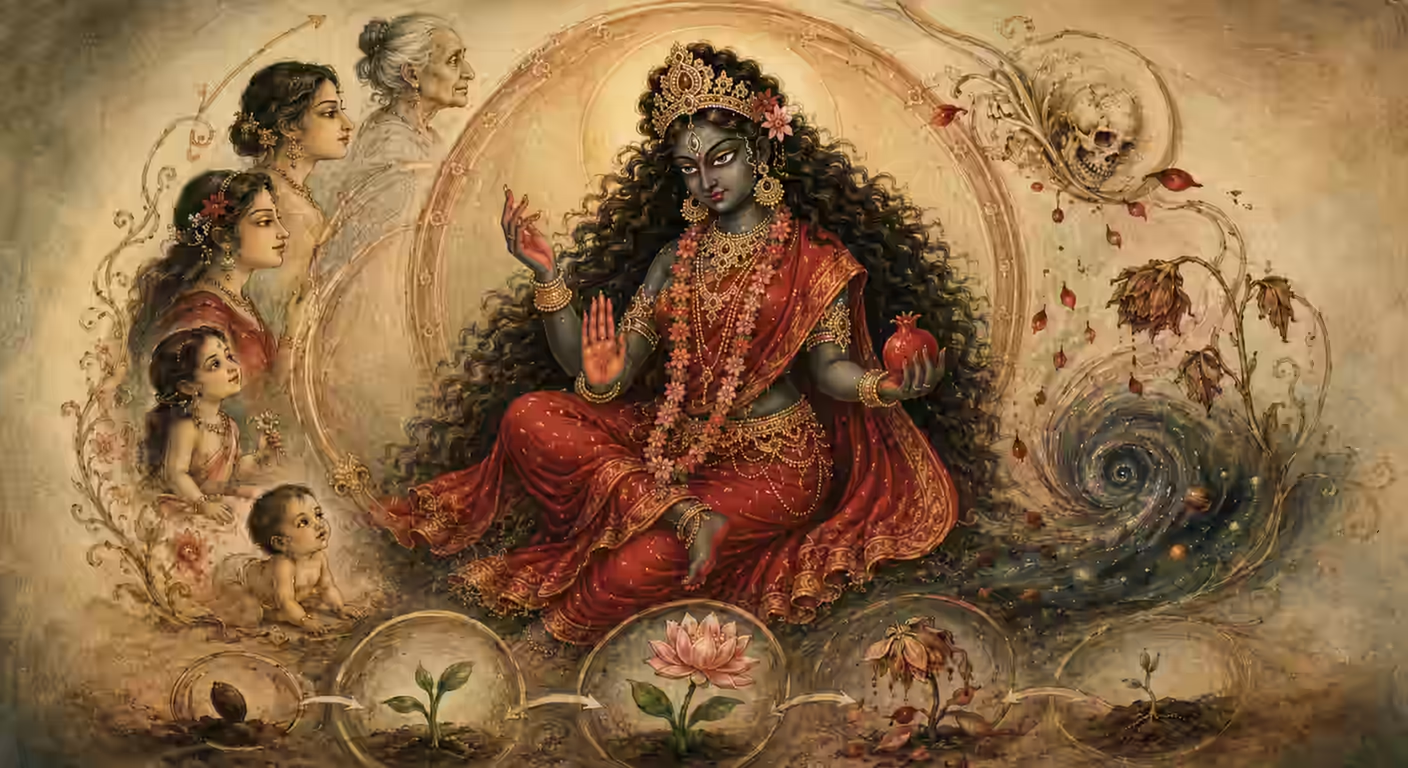
Kleem corresponds to creation while Kreem to annihilation aspects of Devi Kali.
Though chanting Kreem invokes Kali Devi in the fierce Tantrik form, devotees also worship Her as the Compassionate Mother embodying the Kleem beeja. This soft form bestows boons and fulfils the desires of true devotees.
Because Kleem changes direction according to deity, bhava, and lineage, seekers interested in Vaishnava devotion should read this Krishna-focused Kleem mantra guidance before beginning practice.
Chamundaye Vicche Significance
Chamundaye is the Kuta (peak of the Mantra). Here the chanter connects with the Mother Goddess who is the annihilator of two demons Chanda and Munda. This is an immensely fierce and powerful form of Devi. Its power is retained within an Energized Chamunda Yantra that is activated by the Mantra Bala of the Guru.
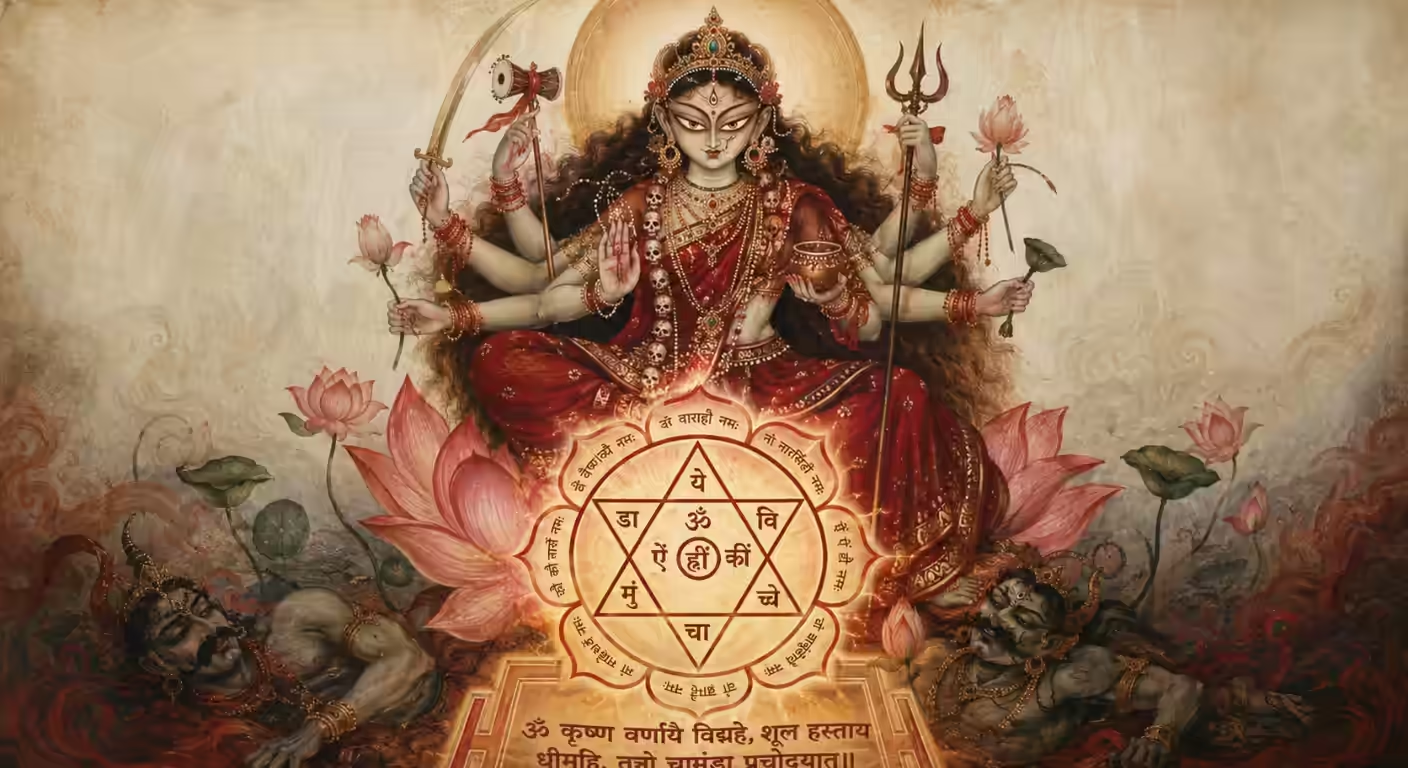
Vicche represents surrender unto the Goddess who protects one from all kinds of harmful vibrations and enemies. The enemies may be external in the form of envious or evil people. But, it also relates to the inner vices which force a person into eventually becoming Adharmic. Therefore, this mantra brings both inner cleansing and outward protection.
Does Navarna mantra require initiation?
The Navarna Mantra contains a string of powerful Beejaksharas. So, if not attained through the right Parampara or Guru channels, it can cause more harm and worsen situations rather than help it. Therefore, it must be chanted after receiving initiation. Most people undermine this factor.
People feel that they are attracted to chanting this mantra through some divine will. They are partially right.
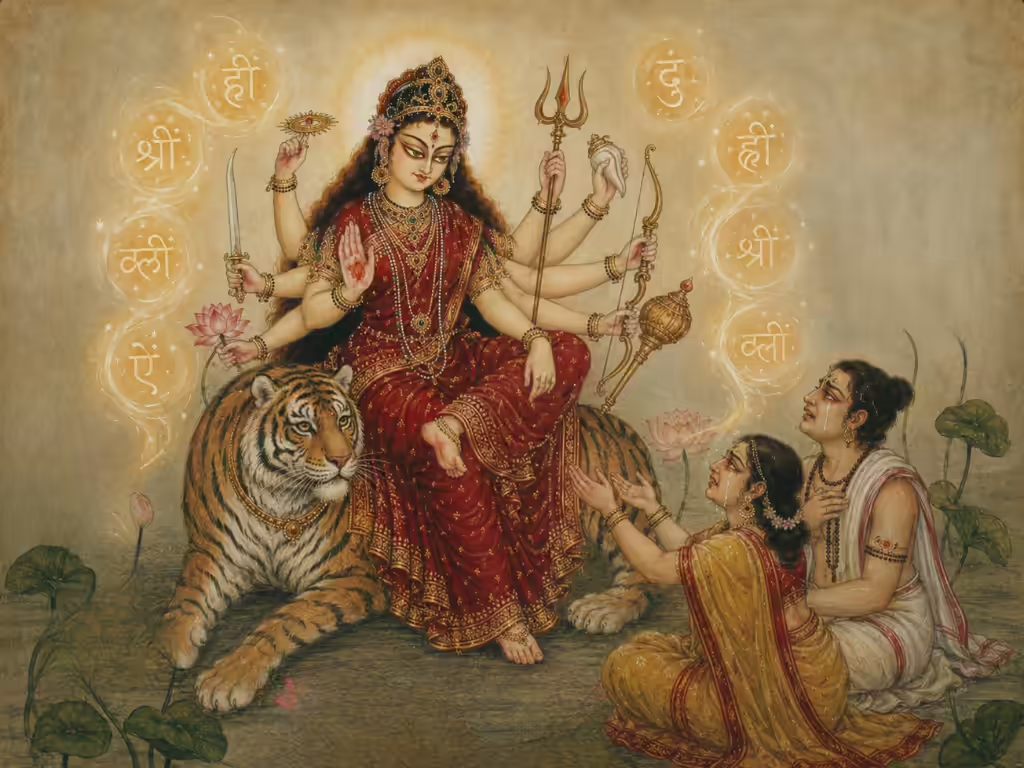
Yes, the Beejakasharas have the cosmic power of attracting souls who need the Divine Mother’s presence. But right knowledge and understanding must dawn before one really gets qualified to even meditate or chant the Navarna Mantra. It involves a lot of prior preparation at body, mind and intellectual levels.
Simple Preparatory Practice for Beginners
Alternate means are recommended for non-initiated people. We at YantraChants.com have guided numerous beginner seekers into Nama Mantra Sadhana and Chandi Yantra worship. These do not require prior initiation. They are safe means for everyone. This process uplifts the seeker’s frequency, preparing them for higher Mantra Sadhanas.
Instead of attempting the Navarna Mantra, one should focus on aligning the mind and body by chanting Devi Nama Mantras.
- Chant “Sri Durgayai Namah” and pray to Devi.
- A minimum of 108 chants daily is advised.
- Use an energized Kamal Gatta Mala for Japa. This ensures grounding, overall well being and positivity.

- Increasing the Nama Japa is always better.
- Keep a fixed time for Mantra Japa.
- You can chant in the morning between 4:00 – 10:00 AM.
- Chanting more rounds during Poornima and Fridays is very auspicious. Devi’s vibration is predominant during these days thereby amplifying the benefits.
(service/product)
Differences in the Navarna Mantra Methodologies
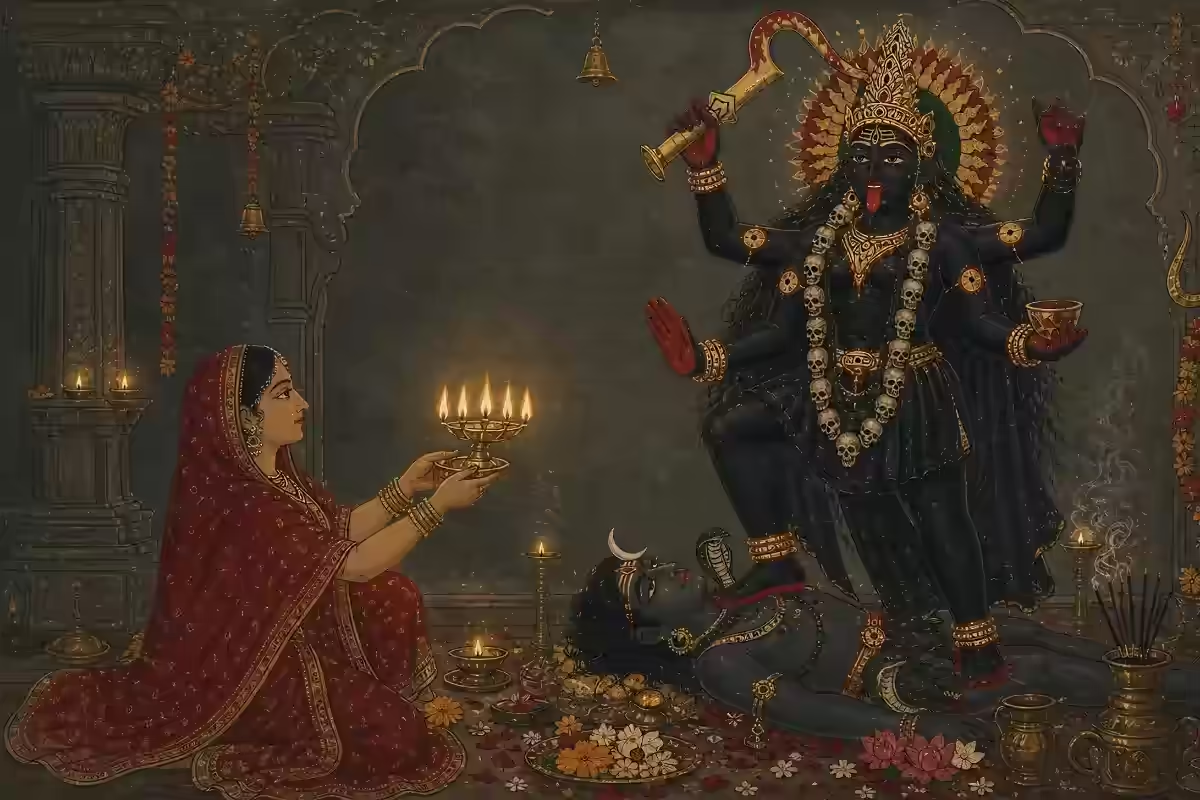
The Navarna mantra is recited in many Tantrika traditions such as the Natha, Kaula and Sri Vidya traditions. Each Sampradaya approaches this mantra differently based on specific instructions delivered within their Parampara.
Therefore, the way of recitation, rules and methodologies vary from one another. But, as long as we follow that tradition without trying to design our own rules, the mantra remains highly potent and effective.
Some traditions adopt Satvika means with strict dietary and lifestyle restrictions. Certain others have unconventional means with relaxed food habits. But they are heavily ritualistic, focusing on details like the number of mantra counts, use of the left/ right hand for certain rites, type of offerings, etc.
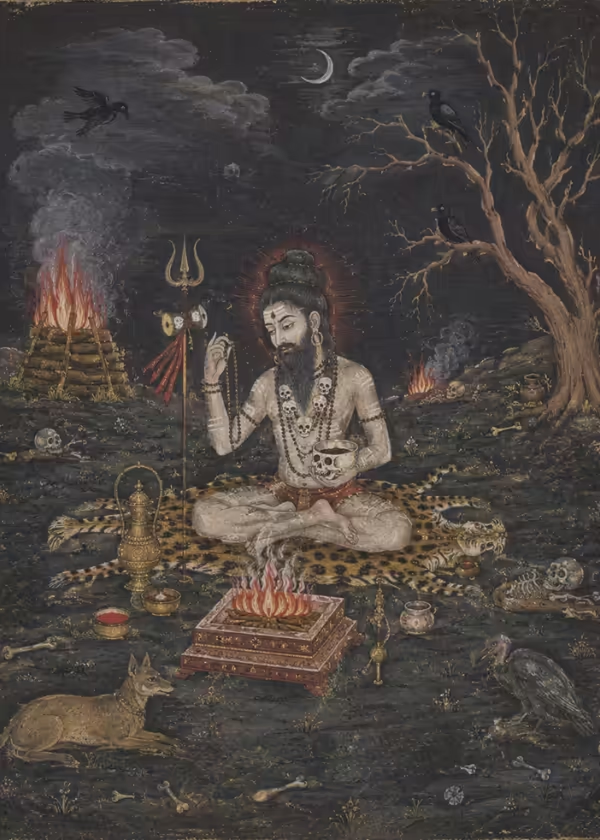
Irrespective of the Parampara, but within its very scope, the Navarna Mantra continues to manifest its power. Therefore, the Guru, Parmpara and Vidhi associated with the Navarna Mantra become important.
One may ask, how can the same Mantra have different rules, connotations and yet be equally effective? Isn’t there one single correct way?
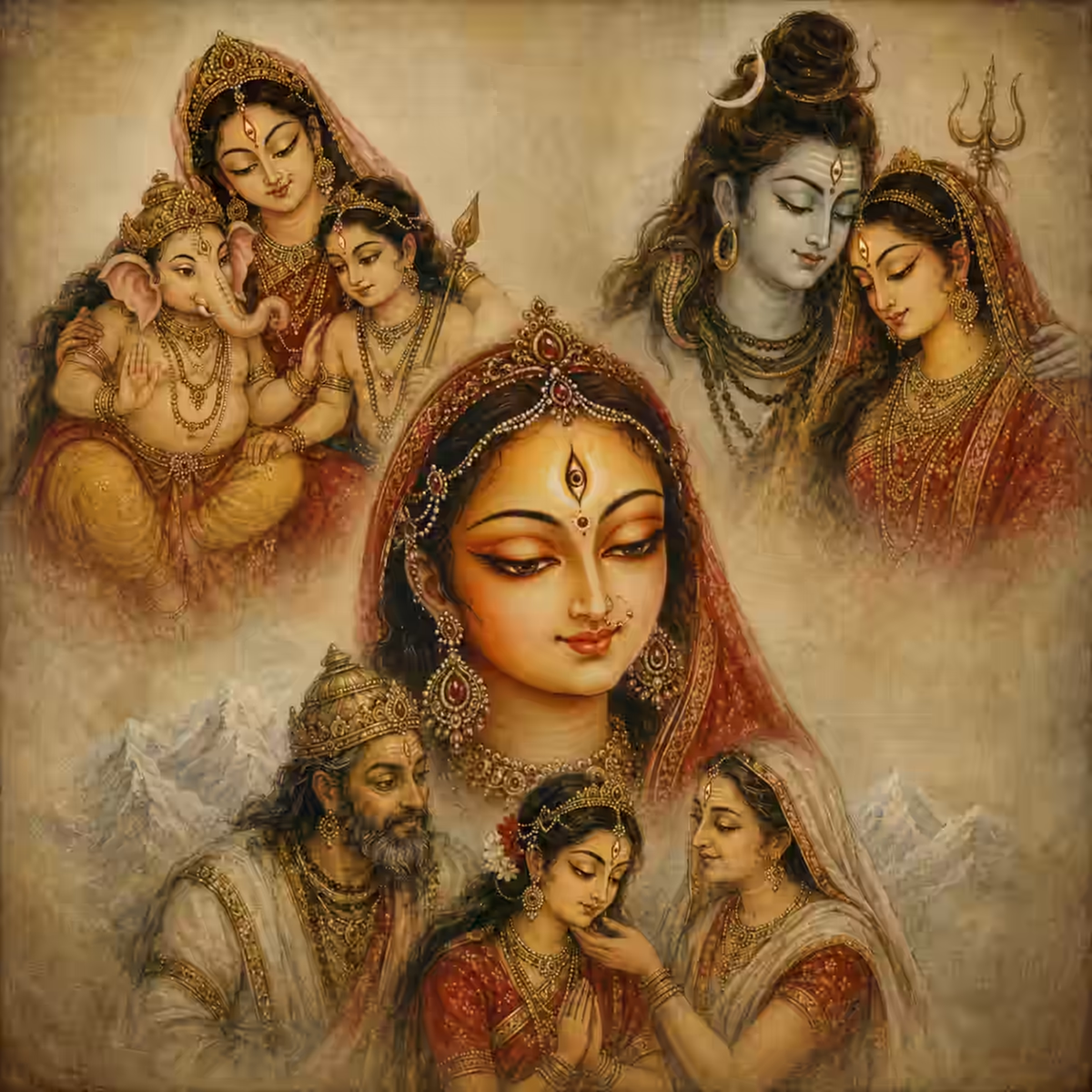
Well, that is the beauty of Tantra. Consider a simple example. Shakti multiple identities. She is the mother to Sri Skanda and Sri Ganesha, Wife of Lord Shiva, as well as Daughter of Shri Himavan and Maina Devi. No one identity or role can define Her completely as all identities are equally true.
Likewise, a Tantrik Mantra like the Navarna Mantra gives us the provision of practicing the mantra within a Sampradaya Framework. Tantrik Mantras offer flexibility across various Sampradayas for they are realized differently by different Gurus based on their innate nature and intention. But, such mantras also come with a caution. It must be received from the Guru and not chanted casually.
Traditional Invocation of the Navarna Mantra
Traditionally, the mantra is invoked by a Guru of a Sampradaya who realizes it through the authentic process of his parampara.
The mantra and the deity in the Navarna mantra is invoked through a set of Tantrika and Yantra Sadhana process.
After years of chanting, the Guru conducts Chandika Homa and other fire sacrifices through which the deity is invoked and remains permanently installed in his heart.
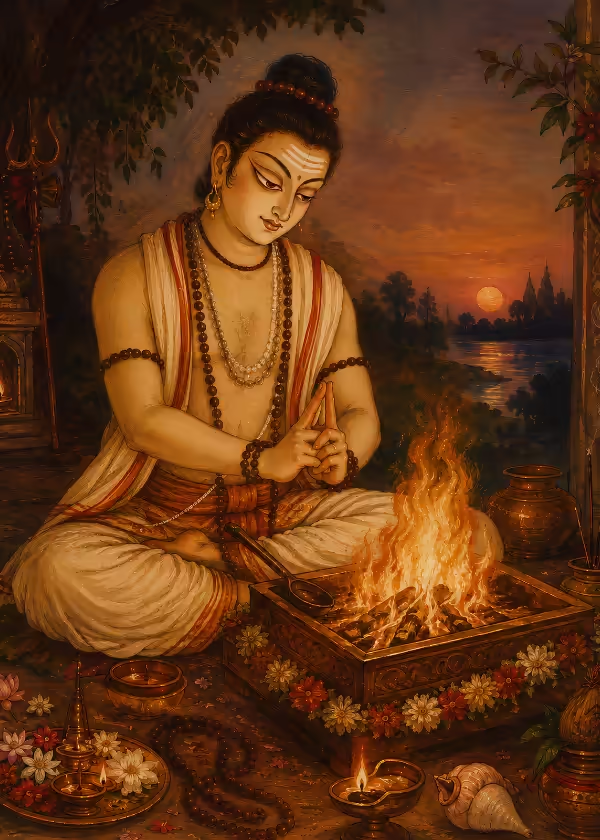
Hand Mudras, Karanyasa, Hridyanyasa, Viniyoga, Dhyana and Mudras are usually a part of the strict ritualistic framework that employs the Devi sadhana through the Navarana Mantra.
So, the Navarna Mantra must be first realized by the founder acharya or a guru of the sampradaya. The Miraculous Yogi Sri Gorakhnath ji Maharaj, had attained Siddhi of Devi. So although the Nath Sampradaya is distinct from the mainstream Shakta traditions, its methodology for chanting the Navarna mantra holds equal value and power.
Therefore, interpretations can be infinite as they are born from a Sadhaka’s personal experience. To some blessed Sadhakas, the Divine Mother reveals the meaning of the Mantra.
Finding the Right Guru for Devi Mantra Sadhana
Devi is the Universal Mother and we are Her children. A Guru is like the most cherished sons of the Mother. Thus, when we plead to Her with sincerity, She sends Her most responsible and capable son for our help. This applies for any form of Shakti like Ma Kali, Devi Chandi, Bagalamukhi Devi, etc.
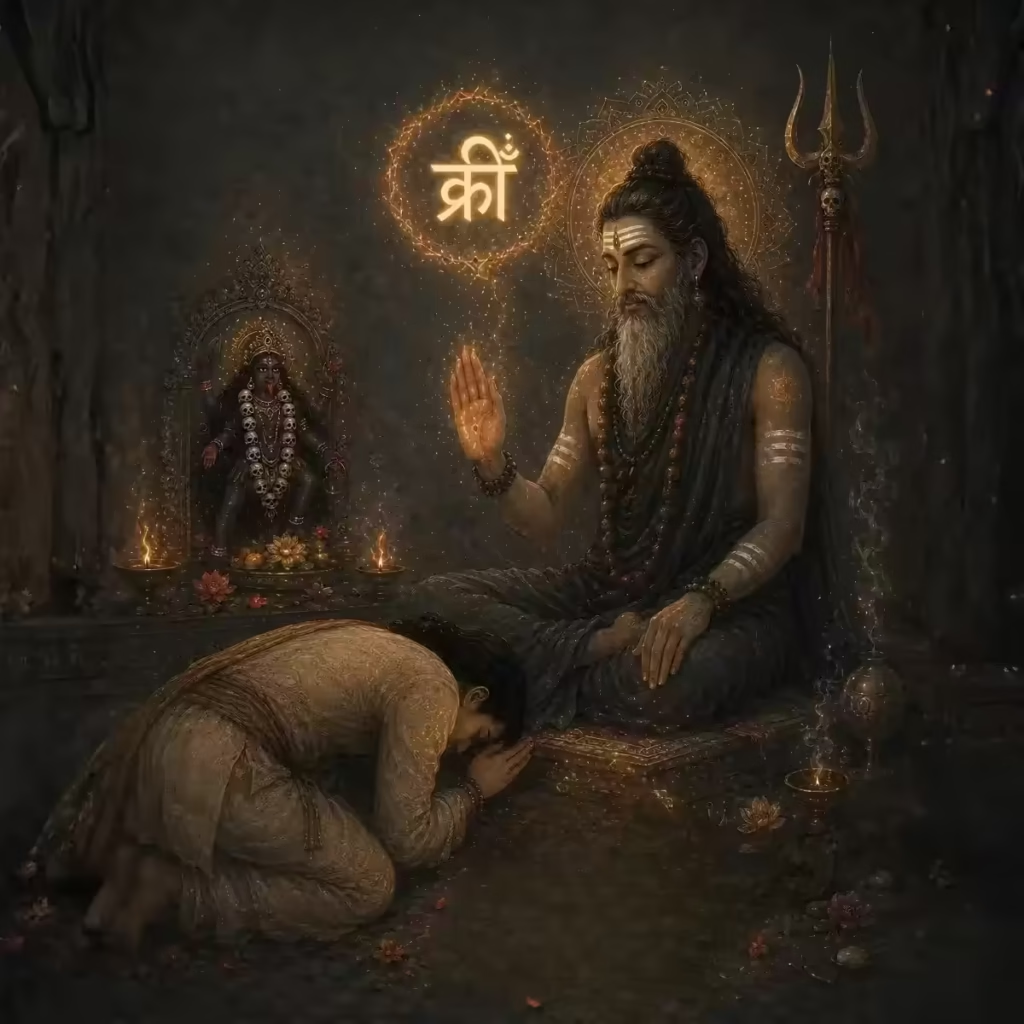
Therefore, the shastras have laid the foundation of Prarthana and Niyama. One must be consistent with the Naama Sadhana, pray earnestly and wait for the Divine Mother to respond.
Tantra and Vedic Shastra always advise us to Pray for attaining the right Guru.
What Should a Seeker Avoid Before Proper Qualification?
One must not casually take up any form of Tantra sadhana. Our egos should be under check and we must stop all experiments chanting Beeja Mantras casually. Randomly picking mantras up from the books or internet only increases confusion.
We may study about Beejamantra but never practice them without guidance. The mood of study should be to appreciate and develop faith in Devi and Her Supreme Powers. Do not try to own Powers or Siddhis as it rapidly paves way for one’s downfall.

Viraja Devi Dasi

Rohini Devi Dasi