
Spiritual Grounding: The Path to Inner Stability
Spiritual grounding is inner stability, not emotional upliftment. True depth begins with steadiness, containment and inner order.
Spiritual Grounding: The Path to Inner Stability Read More »
Spiritual grounding is inner stability, not emotional upliftment. True depth begins with steadiness, containment and inner order.
Spiritual Grounding: The Path to Inner Stability Read More »
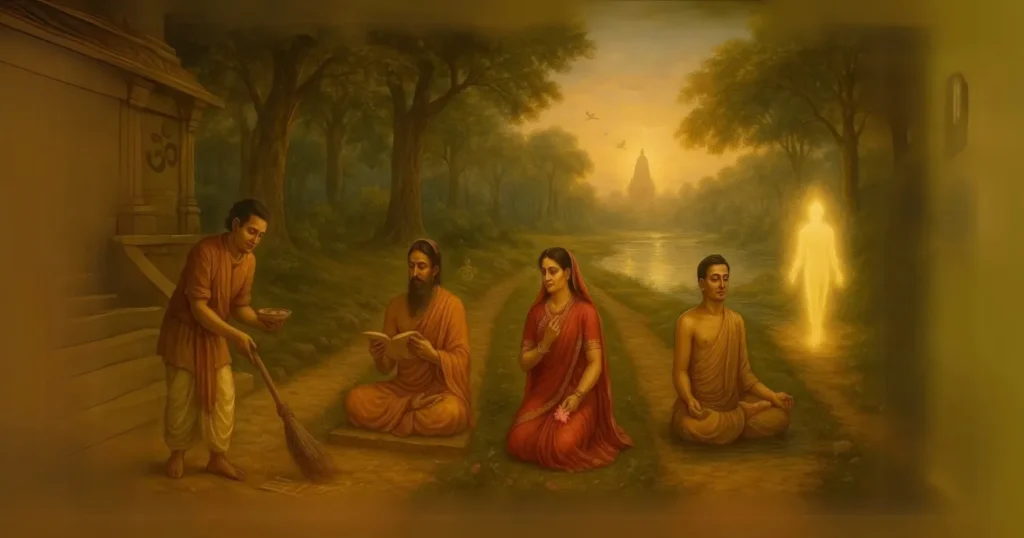
Yoga, Bhakti, and Consciousness are the three timeless pathways emphasized in this post, guiding all beings toward liberation. They represent Yogic Consciousness. These 6 Yogic Paths reflect the evolution of consciousness and culminate in Bhakti and surrender, the supreme means in Kali Yuga.

The article reveals how Brahman, Self, and suffering are intricately connected, showing that realization of Brahman through inner Self-awareness and detachment from worldly delusions is the only way to transcend mental and physical suffering. True healing lies in surrendering to God, the eternal doctor of the soul.

The Bhagavad Gita reveals the true essence of Jnana Karma Yoga, emphasizing their deep interconnection beyond casual understanding. Real spiritual transformation arises only when Karma is guided by Jnana and anchored in Yoga.
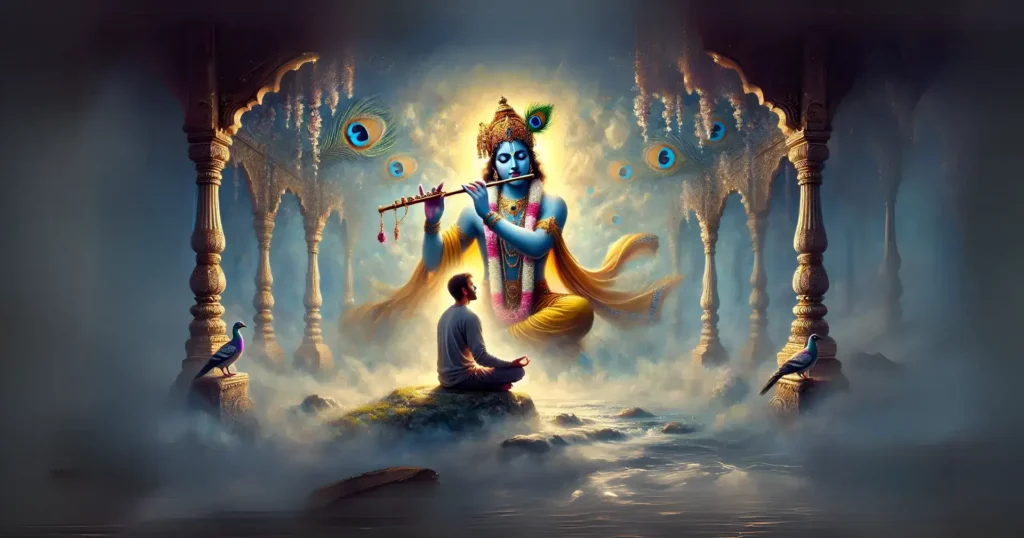
Brahma-Anubhava, the direct experience of Brahman, is the highest truth, beyond intellect and ego. The Mundaka Upanishad reveals that only self-knowledge leads to liberation, while worldly knowledge is transient.

The Samudra Manthan is a profound allegory of a sadhaka’s inner journey from ignorance to awareness, depicting the struggle between Deva Gunas and Asura Gunas. This celestial event, guided by Bhagawan and Guru, symbolizes purification, willpower, surrender, and the ultimate attainment of divine intelligence and devotion.

The Bhagavad Gita offers timeless solutions for stress through its teachings on detachment, equanimity, self-discipline, and surrender to the Divine. By aligning with dharma and focusing on spiritual practices, we can break free from stress rather than just managing it.

Eternal Happiness lies within the heart, accessible only by surrendering the ego and following the guidance of a true Guru. This blog unveils simple yet profound steps to experience joy beyond material desires.
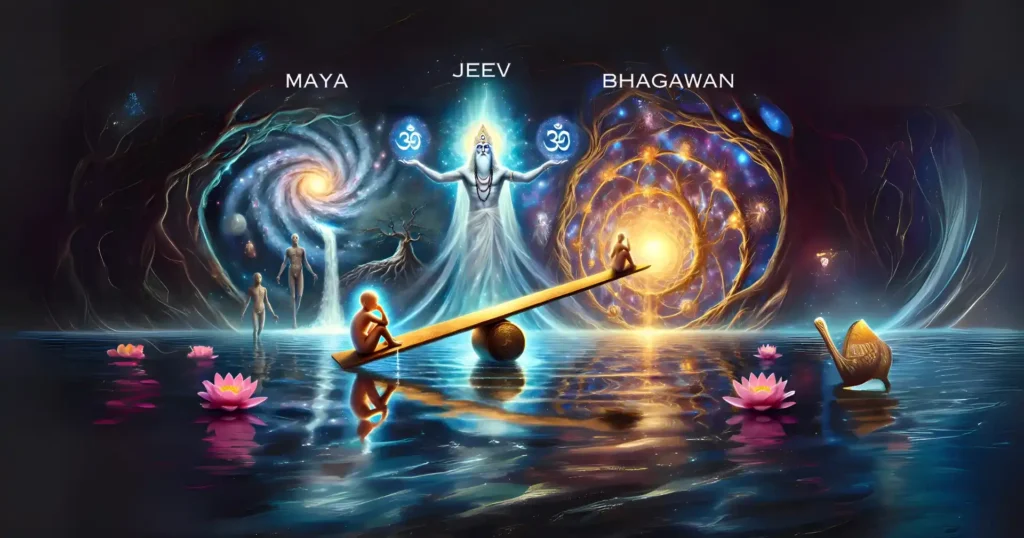
The eternal principles of Maya, Jeev and Bhagawan namely Cosmic Illusion, Spirit Soul and God respectively govern creation and life’s experiences. Spirituality provides the path for Jeev to transcend Maya and unite with Bhagawan.

The Nirvana Shatakam, composed by Adi Shankaracharya, is a powerful six-verse hymn that guides spiritual seekers through self-inquiry and negation, leading to profound spiritual growth, inner peace, and heightened consciousness. Chanting this sacred text brings benefits such as higher meditation states, emotional stability, and an exalted spiritual experience.
Nirvana Shatakam: 12 Benefits and the Powerful Shiva Shakti Yantra Read More »
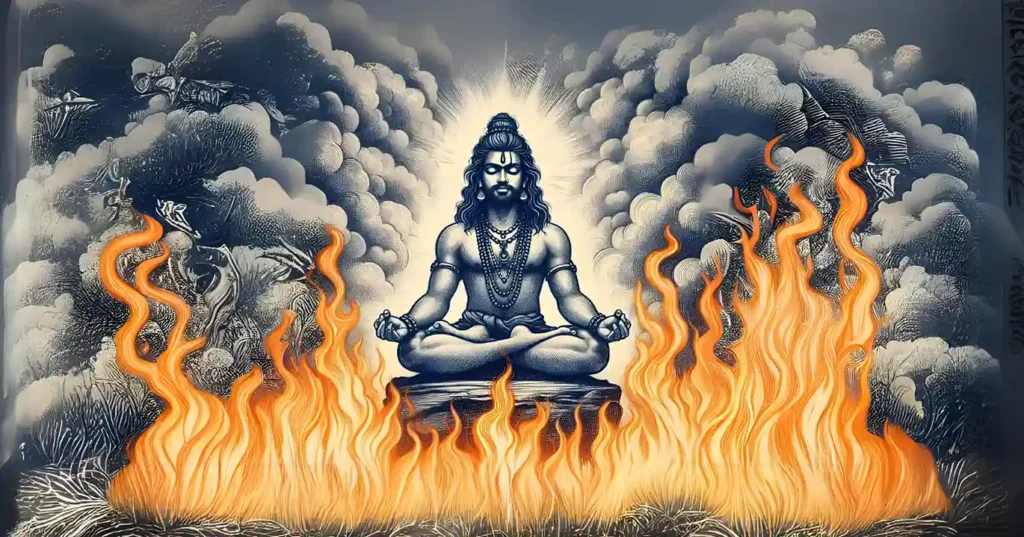
Titiksha, as taught by Adi Shankaracharya, is the art of tolerance and accepting life’s events without seeking to alter them. This quality cultivates inner peace and aligns one with the divine order, fostering a detached yet compassionate perspective
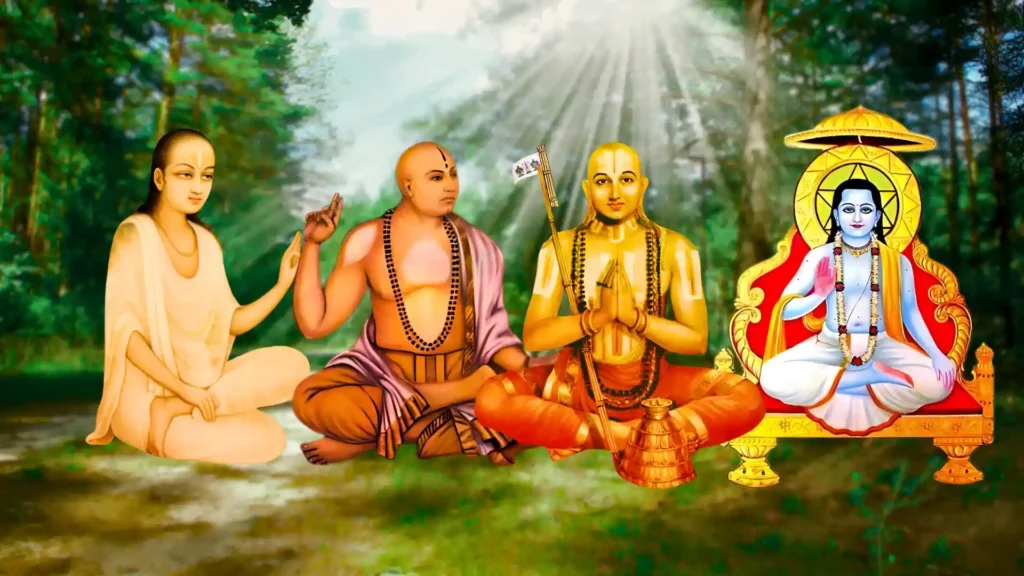
Explore the four major Vaishnava Sampradayas, each rooted in unique philosophies and teachings about Lord Vishnu. From the Sri Sampradaya to the Madhwa Sampradaya, discover how these sects shape the spiritual landscape for devotees.