

Gita: How is War Dharma and not Violence?
The Gita says, A Kshatriya can kill only if the intention is to attain harmony. Therefore, he has the right to fight for righteous causes. Then, killing becomes Dharma.
The Gita says, A Kshatriya can kill only if the intention is to attain harmony. Therefore, he has the right to fight for righteous causes. Then, killing becomes Dharma.

The journey of the soul to Vaikuntha follows the Archaradi Margam, a sacred path of light described in the scriptures. Through Bhakti, Jnana, and Yogic practices, the soul pierces the Brahmarandra and transcends material limitations to reach the divine abode.

Dharma is the basis of Moksha. Dharma satisfies Artha and Kama. But the fundamental need for Dharma is to reach to the goal of Moksha. Vishishtadvaita Philosophy explains the same.

Moksha, Mukti, Sanatana Dharma, liberation, Karma Mukti, Jivan Mukti, Videha Mukti, spiritual freedom, Ishta Devata, Vairagya, Bhakti, self-realization.

True freedom is the exploration of the Self, achieved through discipline, spiritual practice, and release from societal and mental conditioning. Only when the mind becomes transparent and detached can the freeing experience bring clarity and inner joy.

The Scriptures emphasize the spirit of Truth and Dharma over cultural stigmas like the necessity of having a son for liberation. True Moksha comes from perseverance, austerity, and devotion, not societal norms.
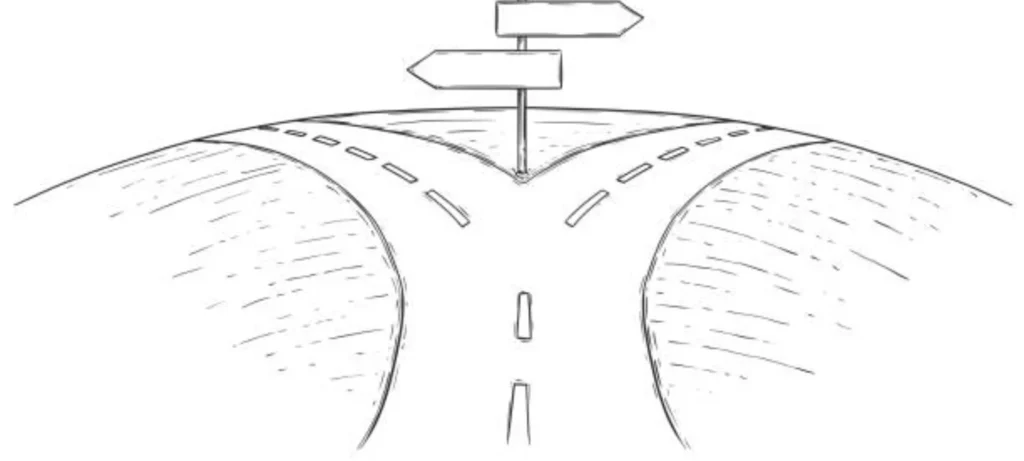
Kundalini Yoga Practice is comprised broadly of 1) Raja Yoga 2) Hatha Yoga 3) Jnana Yoga 4) Bhakti Yoga. Raja Yoga and Hatha Yoga are widely practiced. They deal on the gross body platform.
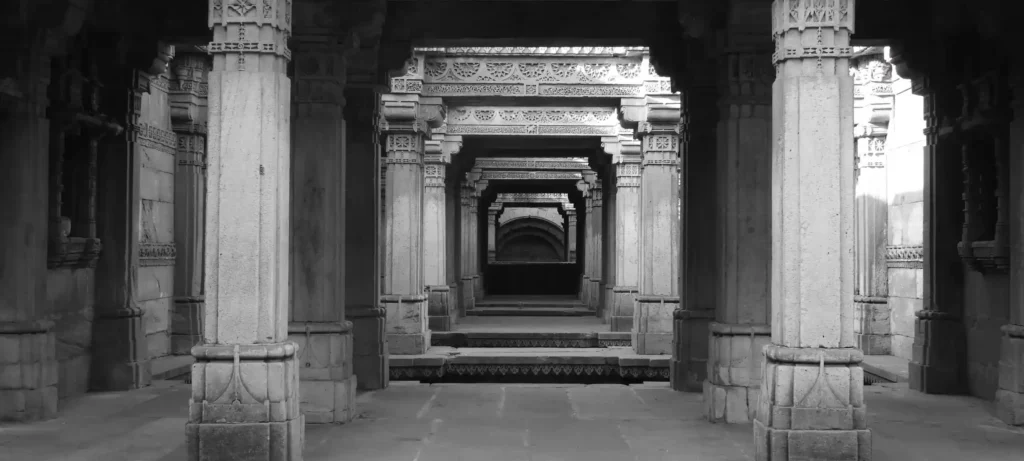
Bhakti vs Jnana is an age old subject of Interest in the Vedic Pantheon. One should understand that one is incomplete without the author. Jnana and Bhakti are tightly coupled.

The 3 Vedanta schools define 3 paths to attain Moksha through their Philosophies. Moksha in Advaita means removal of Avidya or Ignorance.

Brahman is the essence, so says the Sadhana Panchakam.The first verse states that One should reflect upon the Veda in all seriousness and pursue the Actions that follow this Wisdom.

Sri Adi Shankara suggests through his work Sadhana Panchakam that only by Read Vedic Scriptures can we remove Avidya and unviel knowledge.

Shankara’s Sadhana Panchaka descibes the various stages of Upasana. It claims that without Brahman realization as the goal, no Upasana is possible.