
Vedanta Philosophy: The Great Vedic Scriptures
Uncover the depth of Vedanta philosophy through the Vedas and Upanishads. Understand Advaita, Dvaita, and other Vedanta schools in clear, simple terms.
Uncover the depth of Vedanta philosophy through the Vedas and Upanishads. Understand Advaita, Dvaita, and other Vedanta schools in clear, simple terms.
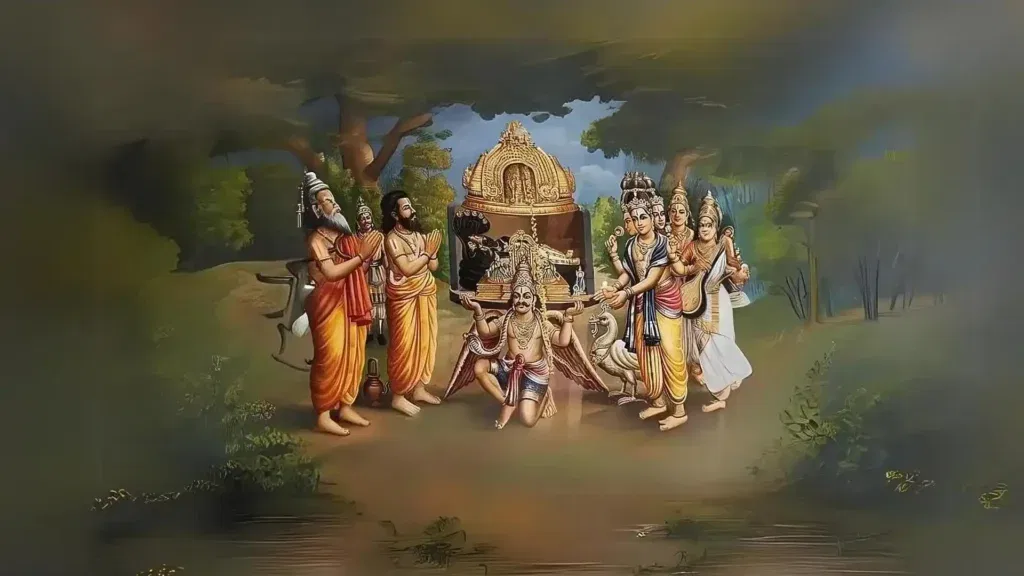
Spiritual experiences vary among individuals, but the truth of spiritual teachings, especially in the context of Sri Ramanujacharya’s philosophy, remains unchallenged. Devotees aim for eternal servitude in Vaikuntha, guided by the teachings of Alvars and Acharyas through the Ramanuja Sampradaya.
Vaikuntha: The Incredible Finality of Sri Vaishnavism Read More »
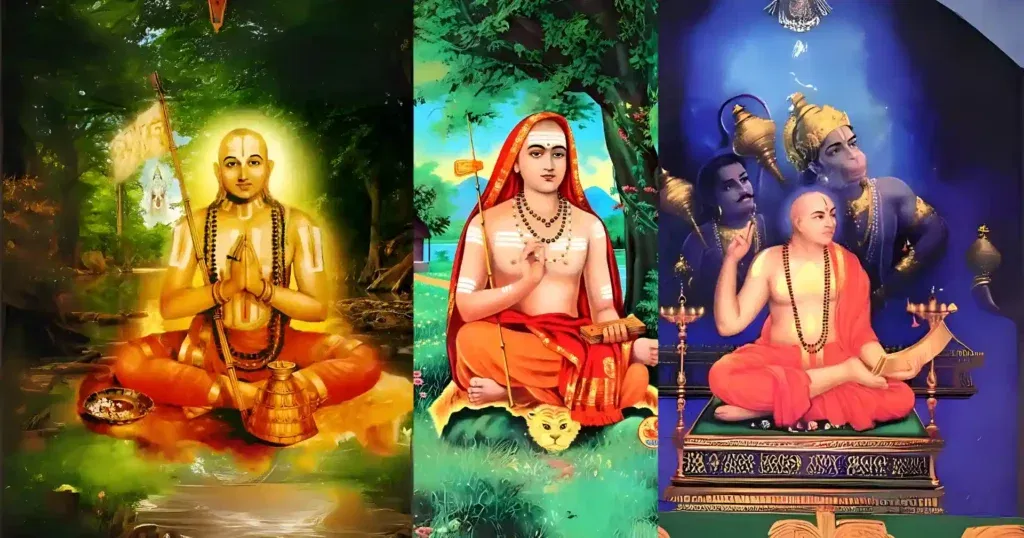
The three Matacharyas, Sri Shankara, Sri Madhwa, and Sri Ramanuja, provided distinct interpretations of the Vedanta Sutras, shaping philosophies like Vishishta Advaita. This article explores the three schools of thought and their reconciliation in understanding the Vedasor Shrutis.

Though spirituality is the only solution, people try to fix these six types of suffering through diversions such as sense gratification, addiction, etc.
The Gita reveals that in Karma Yoga, the Yogi must align his actions with the Supreme, transitioning through Jnana Yoga and ultimately embracing Bhakti Yoga. This transformative journey purifies intentions, leading to spiritual enlightenment and deeper devotion.
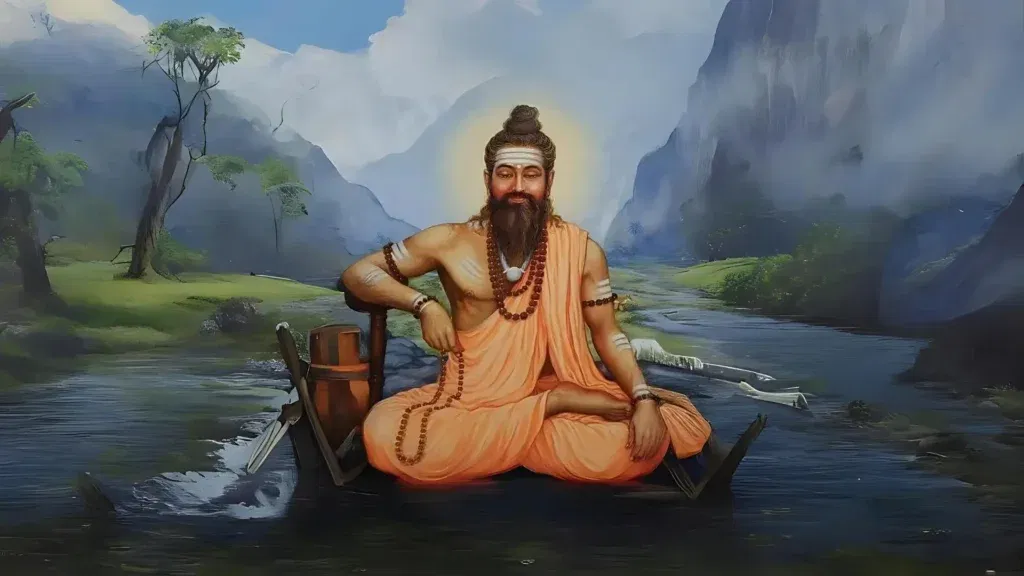
According to Shaivism, the soul is infinite. However, it is subservient to Shiva. Shiva is the Lord and protector of the souls (Pasu).
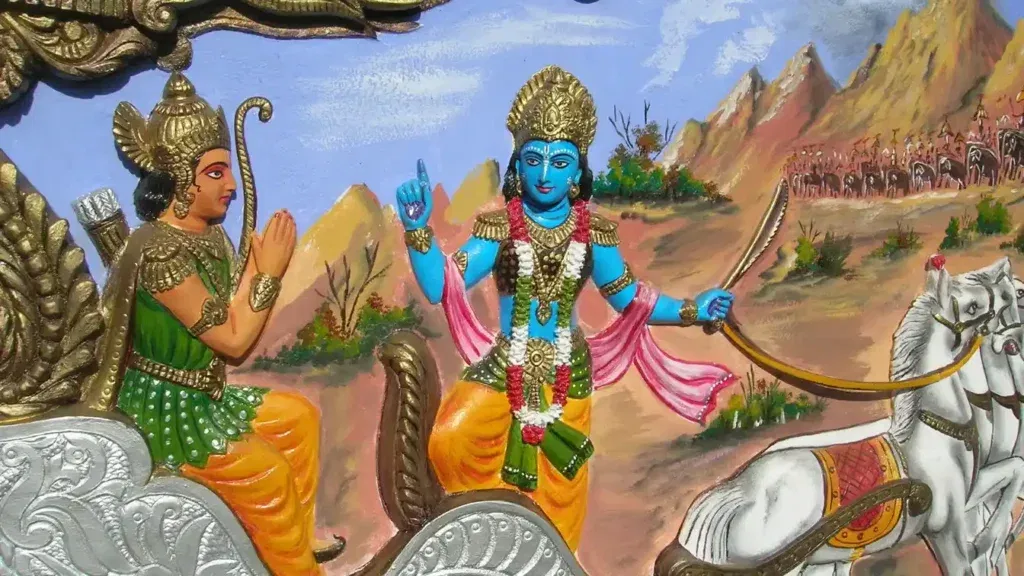
The Gita says, A Kshatriya can kill only if the intention is to attain harmony. Therefore, he has the right to fight for righteous causes. Then, killing becomes Dharma.

Bhagavan Krishna emphasizes exclusive love and surrender only to Him, advising devotees to prioritize relationships with those who are spiritually aligned. Attachment to worldly, impure beings leads to karmic bondage, while love for pure devotees grants spiritual upliftment.

Moksha, Mukti, Sanatana Dharma, liberation, Karma Mukti, Jivan Mukti, Videha Mukti, spiritual freedom, Ishta Devata, Vairagya, Bhakti, self-realization.
True happiness and wisdom emerge when we align with truth, overcoming ego and desires, and embracing a life led by self-awareness and Vedic principles. The guidance of a Guru and a spiritual mindset unlock the ultimate path to liberation and eternal joy.

Understanding the world as a reflection of our inner self is key in Sanatana Dharma, where inner transformation brings true clarity and freedom from dualistic views. Through spiritual practice and guidance, we align with Truth beyond right and wrong.

The Scriptures emphasize the spirit of Truth and Dharma over cultural stigmas like the necessity of having a son for liberation. True Moksha comes from perseverance, austerity, and devotion, not societal norms.