

Awareness and Mind: Discover Which is Superior?
Explore the relationship between mind, awareness, and consciousness, discovering how awareness transcends duality to reveal pure consciousness as Jnana and Prema, reflecting universal love and wisdom.
Explore the relationship between mind, awareness, and consciousness, discovering how awareness transcends duality to reveal pure consciousness as Jnana and Prema, reflecting universal love and wisdom.
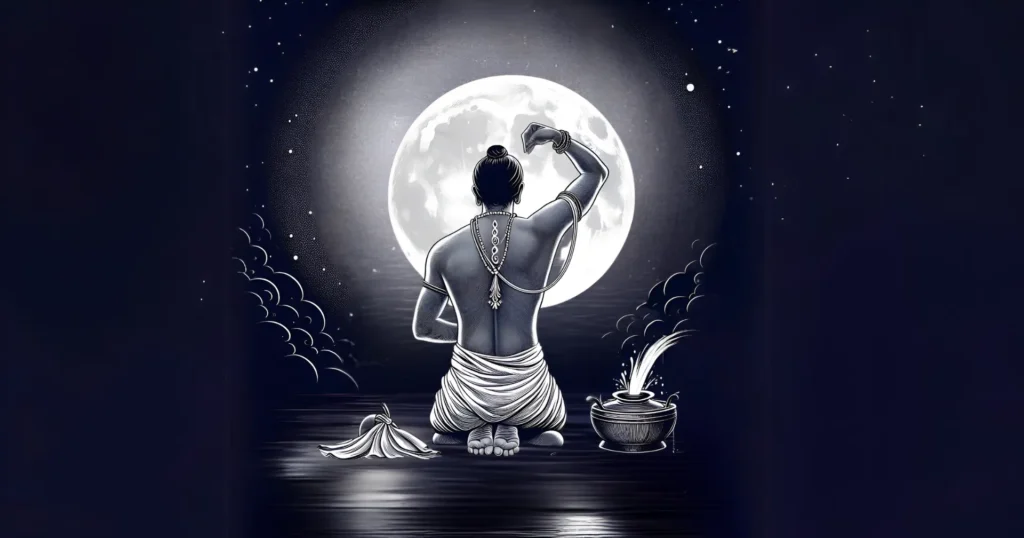
Discover the deeper meaning behind “Dwija” or “twice-born,” exploring Yudhishthira’s unique insights into life’s cycles, mind’s nature, and the enduring wisdom of the Shastras.

The Bhagavad Gita teaches that the realization of the spirit transcends temporary joys and sorrows tied to the body and mind. Through the practice of wisdom and spiritual discipline, one can achieve eternal happiness by understanding the nature of consciousness, thus breaking the cycle of rebirth and worldly attachments.

Advaita Vedanta emphasizes the unity of Jeev, Jagat, and Ishwara, revealing Brahman as the sole reality behind all appearances. It encourages shifting from ignorance to knowledge, understanding the world as a manifestation within consciousness.
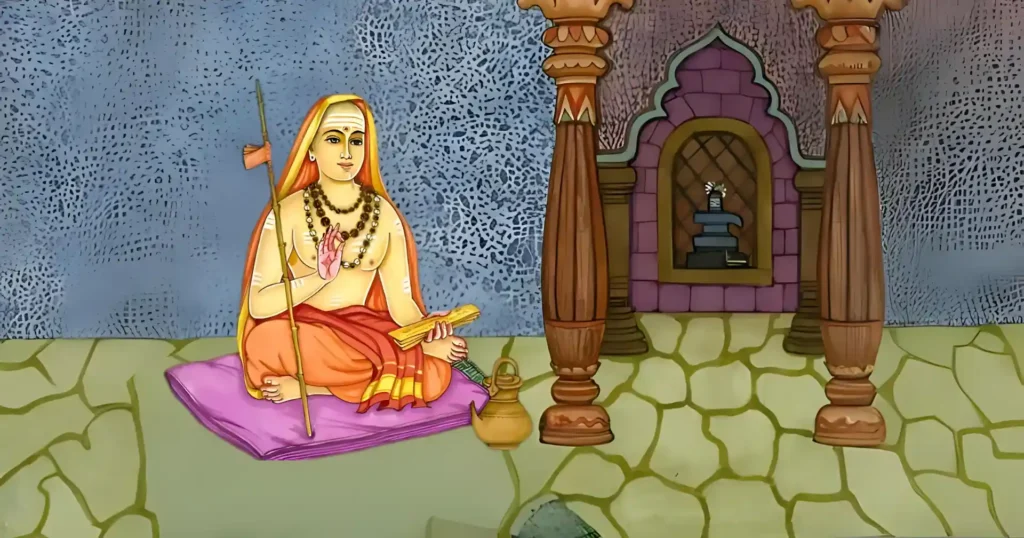
Shankara’s Advaita philosophy emphasizes Brahman as the ultimate reality, with Atman as its individualized form. Deities serve as pathways to the higher aspect of Brahman, but are considered inferior tools in comparison to the formless absolute Brahman.

Kapila’s teachings emphasize the critical difference between the body (Sharira) and soul (Atma) and guide us towards detachment and ultimate liberation through Bhakti and knowledge.
Body and Liberation: A Profound Philosophy of Detachment Read More »
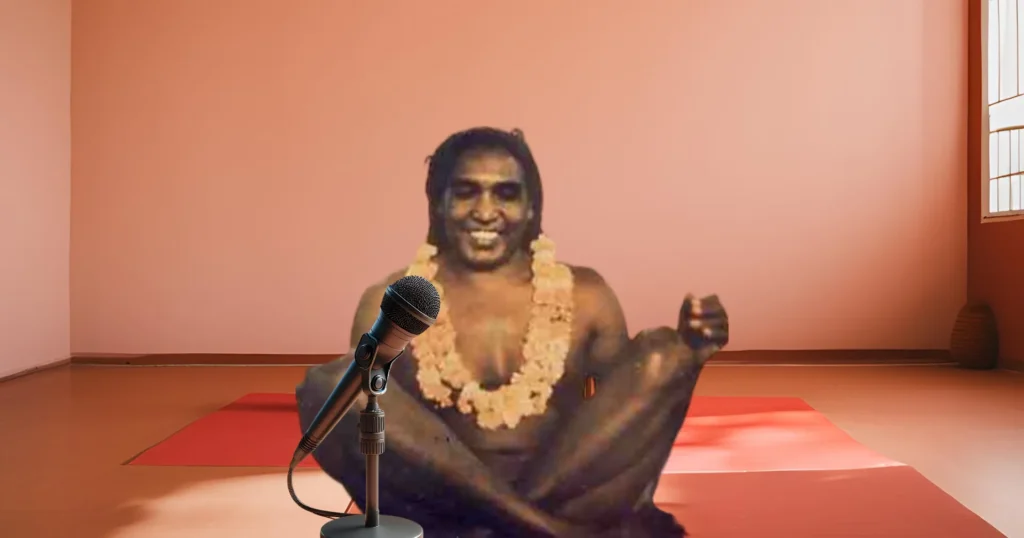
Tat Wale Baba’s teachings on the mind and spiritual discipline embody the wisdom of Vedic traditions. His insights offer life-changing lessons for God-realization, meditation, and conquering the self.

Advaita Vedanta explains how our inner thoughts manifest as external experiences, while Karma shapes our present and future realities. Understanding these connections is key to navigating life and transcending subconscious patterns.

The age-old debate between Oneness and Duality bridges the gap between form and formlessness, with Bhakti and Jnana schools offering differing yet complementary perspectives. True spiritual realization harmonizes these philosophies through sadhana and a deeper understanding of Shastras.

Uncover the depth of Vedanta philosophy through the Vedas and Upanishads. Understand Advaita, Dvaita, and other Vedanta schools in clear, simple terms.

Spiritual experiences vary among individuals, but the truth of spiritual teachings, especially in the context of Sri Ramanujacharya’s philosophy, remains unchallenged. Devotees aim for eternal servitude in Vaikuntha, guided by the teachings of Alvars and Acharyas through the Ramanuja Sampradaya.
Vaikuntha: The Incredible Finality of Sri Vaishnavism Read More »
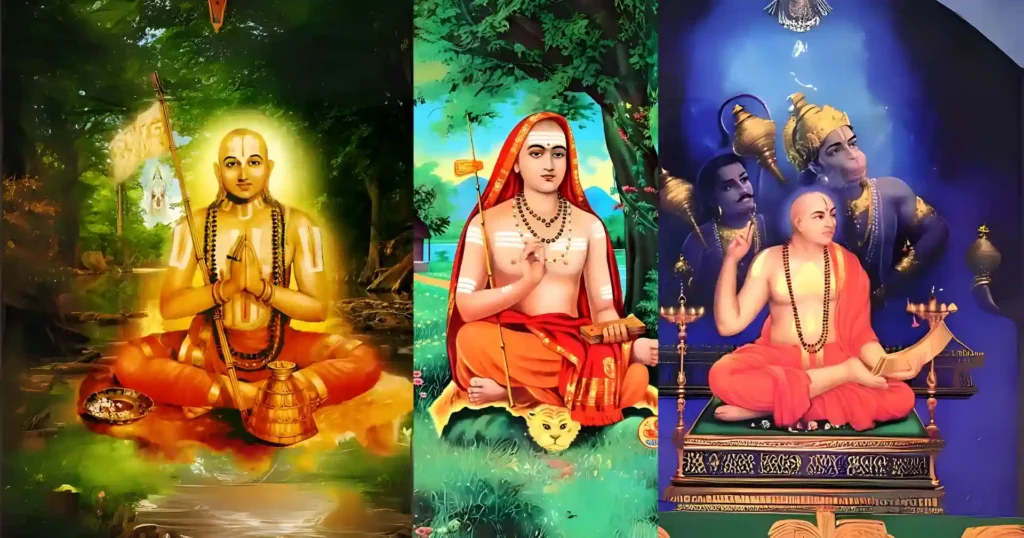
The three Matacharyas, Sri Shankara, Sri Madhwa, and Sri Ramanuja, provided distinct interpretations of the Vedanta Sutras, shaping philosophies like Vishishta Advaita. This article explores the three schools of thought and their reconciliation in understanding the Vedasor Shrutis.