
Bhakti vs Jnana: 2 Powerful Paths to Choose
Bhakti vs Jnana is an age old subject of Interest in the Vedic Pantheon. One should understand that one is incomplete without the author. Jnana and Bhakti are tightly coupled.
Bhakti vs Jnana is an age old subject of Interest in the Vedic Pantheon. One should understand that one is incomplete without the author. Jnana and Bhakti are tightly coupled.

Siddhis, or spiritual powers, are often regarded as milestones in the path of sadhana. While they grant extraordinary abilities—such as heightened intuition, manifestation, and clairvoyance—they also come with hidden dangers. Envy, social skepticism, and even exploitation can accompany the use of Siddhis. Should one use these powers for social welfare, or are they best kept hidden? This article explores the profound pros and cons of Siddhis, offering real-life examples and insights into the spiritual path.
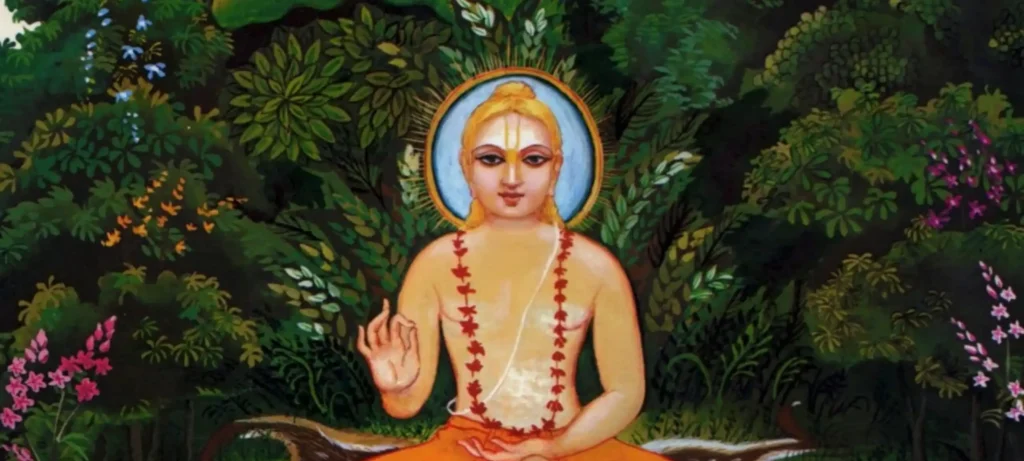
There was a Himalayan Sage would forgive all the wrong-doers and accept them with open arms. There was an evil man who wrote and spoke against the Sage…

Many people may consider a Yogi to be a loner. The world can never consider Yogi to be ordinary. A yogi spends time guiding other sincere seekers.

Introspection is a vital spiritual practice that fosters awareness, mind control, and positivity by addressing internal misalignments. By analyzing thoughts and behaviors, one can transform negative patterns into empowering experiences.

Sri Adi Shankara suggests through his work Sadhana Panchakam that only by Read Vedic Scriptures can we remove Avidya and unviel knowledge.

Shankara’s Sadhana Panchaka descibes the various stages of Upasana. It claims that without Brahman realization as the goal, no Upasana is possible.

Ravana, the mighty king of Lanka, was known for his scholarly wisdom and unmatched strength. However, his life and teachings, especially on subjects like greed, leadership, and spirituality, offer profound lessons. Learn from Ravana’s experiences, including his final advice to Lakshmana, which emphasizes humility, self-discipline, and devotion.

What is Kshatriya Dharma?. The fundamental role of Kshatriyas is to protect the rights of the Brahmana class. 2. Protect the rights of the common men.

Ahankara is the trigger to material life. We will see how Ahankara applies to the 4 aspects of Brahman (Chaturvyuha) where Sankarshana is in charge of all destructive activities, Pradyumna for all creative activities.
The Kathopanishad reveals two fundamental paths in life—Shreyas (the path of truth and eternal bliss) and Preyas (the path of temporary pleasures and long-term suffering). Through the Chariot Analogy, learn how Lord Krishna’s guidance helps the soul navigate life’s journey. Discover the hidden Vedic secret that leads to God-realization, inner peace, and ultimate freedom.
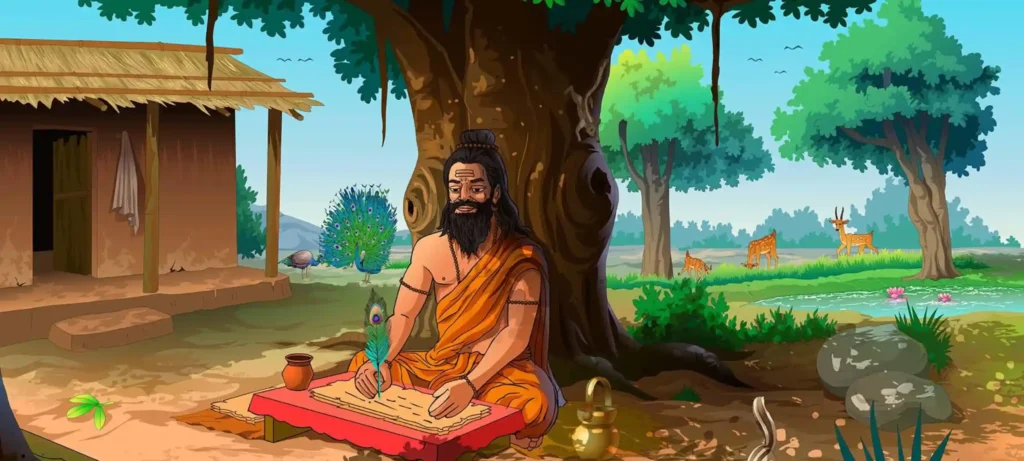
The 6 duties of a Brahmana are applicable even in Kali Yuga. (1) Study (2) Teach (3) Offer a Yajna (4) Officiate a Yajna (5) Accept Gifts (6) Offer Gifts.