

Mantra Power: Why should you chant
Mantra is a science of sound wherein the meaning and the power of sounds proceeds to the revelation of divinity. Mantra Power is potent and can fulfill desires.
Mantra is a science of sound wherein the meaning and the power of sounds proceeds to the revelation of divinity. Mantra Power is potent and can fulfill desires.

Personality is related to inner character and Sadhana can shape it for us. Sadhana is not meant for people who have a lot more to see in life. Most people associate Sadhana with religion or faith.

Understand Kali Sadhana rules, risks, and safe guidance, with how the Mahakali Yantra supports protection, discipline, and sincere Devi worship.

Tantric Sadhana and Vedic Sadhana represent two distinct spiritual paths—one seeking material and mystical attainments, the other striving for divine grace. While many are drawn to Tantrika Sadhana for its promises of power and rapid results, it requires strict adherence to rituals and the guidance of a realized guru to avoid adverse effects. In contrast, Vedic or Daiviya Sadhana, practiced through devotion, love, and auspicious offerings, is considered the safer and more spiritually uplifting path. This article explores the differences between Vama Marga (Left-Hand Path) and Dakshina Marga (Right-Hand Path), their impact on practitioners, and why Daiviya Sadhana is regarded as the ultimate means to liberation.
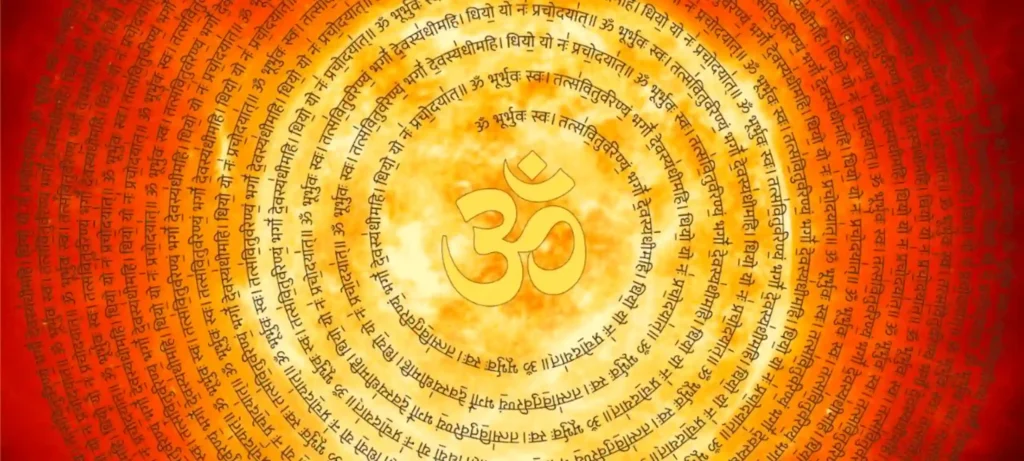
The inner energy accumulated through the Mantra Japa, many times, starts flowing through the eyes of the sadhaka. They have power in their eyes.

Casual mantra sadhana process—performed without strict Vedic rules or formal Sankalpa—can yield remarkable life changes when practiced consistently. While celibacy and rituals amplify results, even simple, heartfelt mantra repetition daily brings clarity, prosperity, and inner peace. Discover how casual yet dedicated mantra chanting transforms lives profoundly.

With prolonged mantra chanting the practitioner develops intuitive capacities. He develops an ability to read other people’s mind.
Bhakti vs Jnana is an age old subject of Interest in the Vedic Pantheon. One should understand that one is incomplete without the author. Jnana and Bhakti are tightly coupled.

The 3 Vedanta schools define 3 paths to attain Moksha through their Philosophies. Moksha in Advaita means removal of Avidya or Ignorance.

Brahman is the essence, so says the Sadhana Panchakam.The first verse states that One should reflect upon the Veda in all seriousness and pursue the Actions that follow this Wisdom.

Siddhis, or spiritual powers, are often regarded as milestones in the path of sadhana. While they grant extraordinary abilities—such as heightened intuition, manifestation, and clairvoyance—they also come with hidden dangers. Envy, social skepticism, and even exploitation can accompany the use of Siddhis. Should one use these powers for social welfare, or are they best kept hidden? This article explores the profound pros and cons of Siddhis, offering real-life examples and insights into the spiritual path.

Understand the clear difference between blind faith (“Andha Shraddha”) and Pure Bhakti. Discover why true faith aligns strictly with the Shastras, how authentic devotion differs from parental affection, and why Shrimad Bhagavatham is the ultimate scripture to cultivate genuine Bhakti.
Pure Bhakti: Nurturing the Soul through Devotion Read More »