
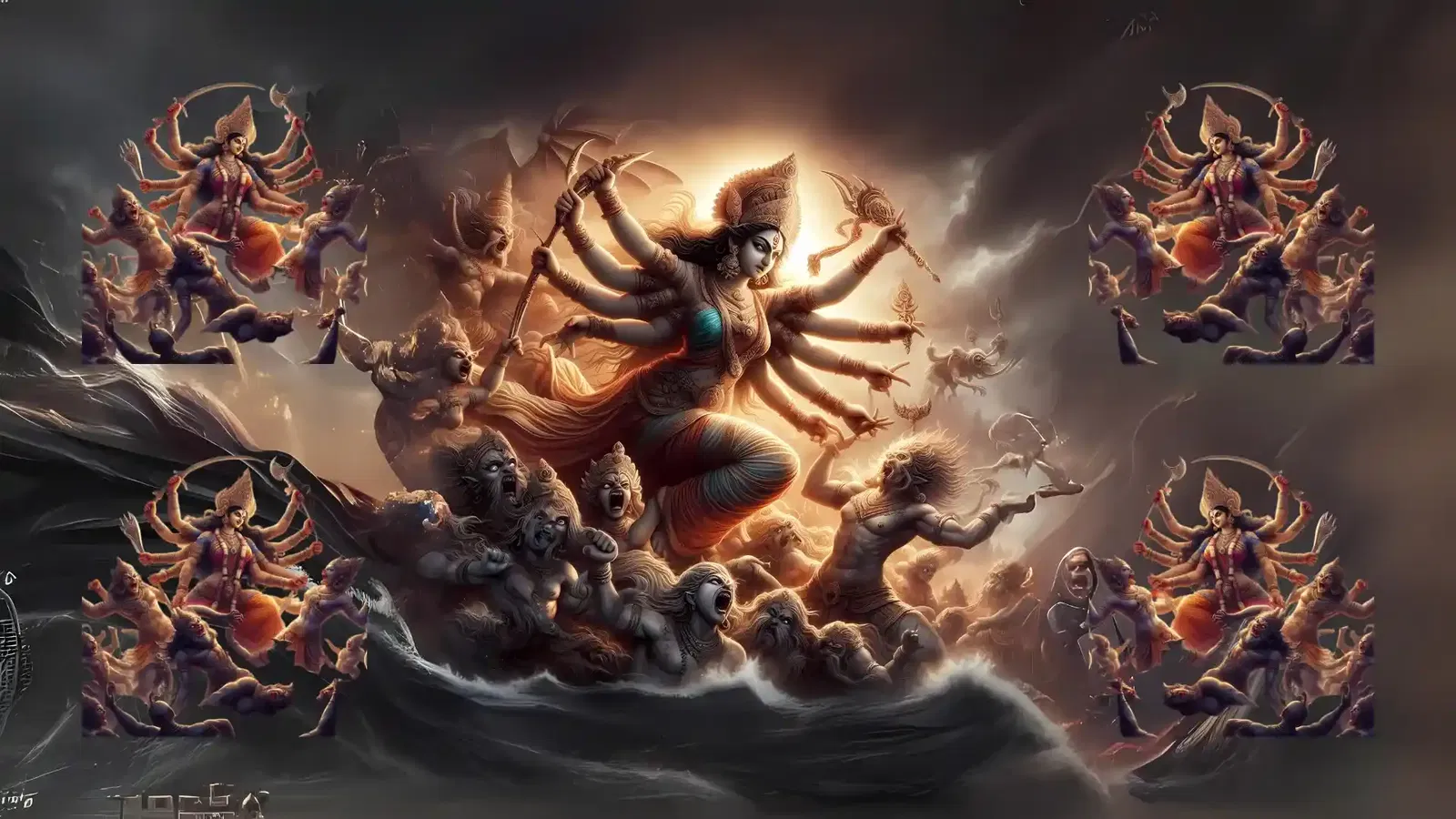
Highlights of Durga Saptashati
In this post, we shall understand the following aspects and benefits of the famous hymn, Durga Saptashati:
1. What is Durga Saptashati?
2. Where can we find the Saptashati in the Scriptures?
3. The Devi’s conquest of Mahishasura
4. Moods and Glories of Devi Shakti as covered in the Devi Saptashati
5. Benefits of the Saptashati
6. Kundalini and the other forms of Devi
7. Brief process of Durga Saptashati chanting
When seekers search for “durga saptashati meaning,” what they truly seek is the heart of this scripture: a living portrait of the Divine Mother’s protection at work in human life. Durga Saptashati is not merely a story of battles; it is a map for inner victory, teaching how clarity overcomes confusion, courage overrides fear, and grace dissolves karmic knots. Understanding the durga saptashati meaning turns reading into realization: each verse becomes a mirror, showing where we stand and how Devi lifts us to where we are meant to be.
What does the Durga Saptashati Comprise of?
The Durga Saptashati is a lyrical hymn that describes the valor and ferocity of Durga Devi on the battlefield. It is known as Chandi Path in Western India, Devi Mahatmya in Southern India, and Durga Saptashati in Northern India.
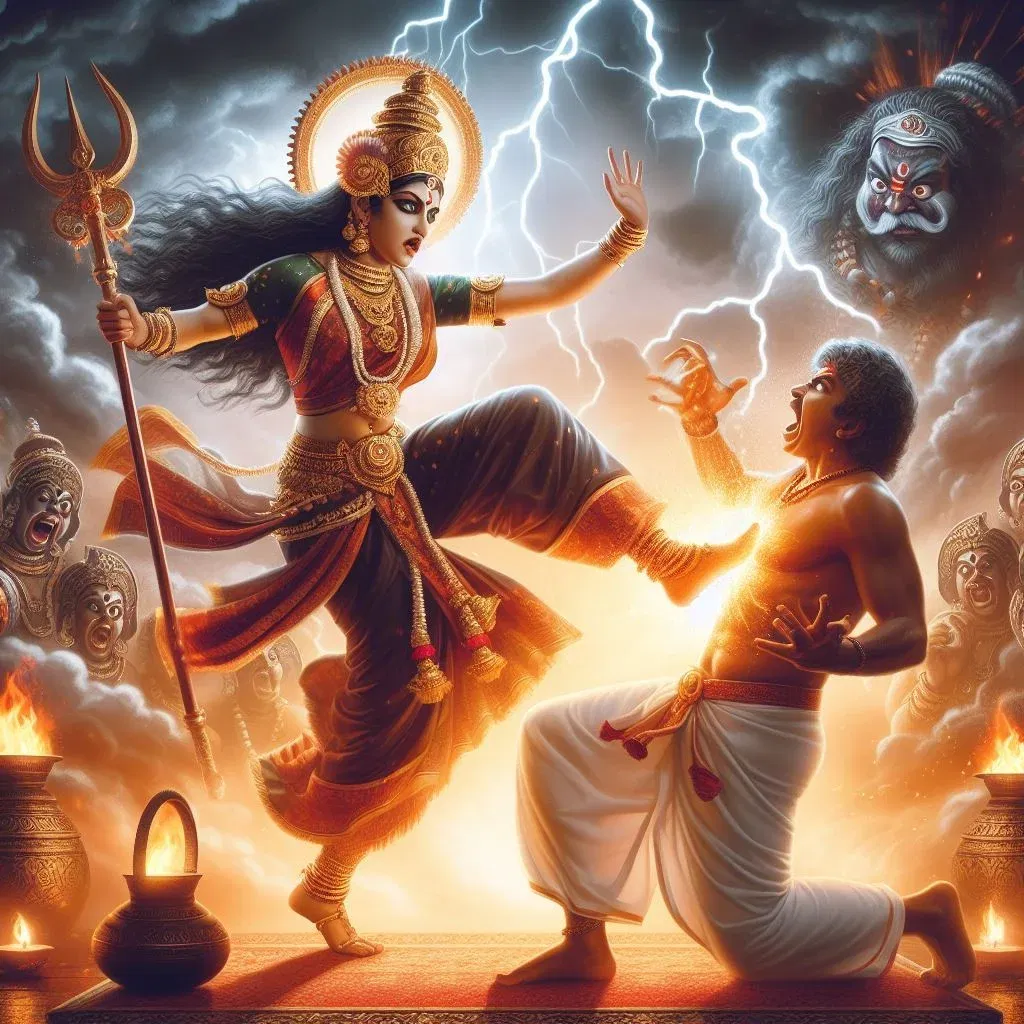
This hymn is brief and descriptive about Devi and her attributes. During the Navratri nights, devotees stay awake and sing with devotion, the glory of the Durga Saptashati. Even during other Devi pujas at home, people never forget to recite this spiritual hymn. The recitation of the Durga Saptashati is considered the highest and easiest way to please Goddess Shakti.
The benefits of reading durga saptashati are both subtle and practical. Devotees often report steadier focus, cleaner emotional boundaries, relief from persistent worries, and a renewed sense of auspicious momentum in work and family life. Read with simple faith and steady rhythm, this text refines one’s inner voice, strengthens sankalpa (sacred intention), and invokes Devi’s protective circle around the home. Even a single daily chapter, read with devotion, can shift one’s energy from scattered to centered.
Origin of the Durga Mahatmyam (Saptashati)
The Durga Saptashati Stotram can be found in the Markandeya Purana. “Sapt” means 7 and “Shanti” means 100. Thus, there are 700 verses in total. These 700 verses of the Durga Saptashati consist of 13 chapters, including Kavach, Argala, and Keelka.
If you are mentoring newcomers, offering them a booklet of “durga saptashati 700 slokas in english” side-by-side with Devanagari helps them stay consistent. Many families keep such paired texts near the altar so each member, regardless of Sanskrit fluency, can participate meaningfully, ensuring the mantra’s power circulates through the entire home.
A sincere Sadhaka who wishes to recite the Durga Saptashati must read the Kavach, Argala, and Keelka and only then proceed to the Paath. The Paath is incomplete without their recitation. An alternative to the Durga Saptashati is reading the Khadgamala Stotram.
Many first-time chanters look for “durga saptashati 700 slokas in english” to begin with meaning-based recitation. Starting with a faithful English translation (while keeping the Sanskrit text nearby) helps you absorb the essence of each episode, why a particular demon symbolizes a human weakness, how Devi responds, and what virtue she awakens in us. Use English to grasp the message, and gradually ease into the Sanskrit sound to receive the mantra’s vibrational power more fully.
Story of Devi Shakti and Mahishasura
Before we delve deeper into the greatness of the Durga Saptashati, let us understand the story behind Devi Shakti. The origin of Devi Shakti leads us back to the time when there was the fright of the demon Mahishasura. He went on to conquer all three worlds. The destitute Devas prayed for help to Brahma, Vishnu, and Mahesh.
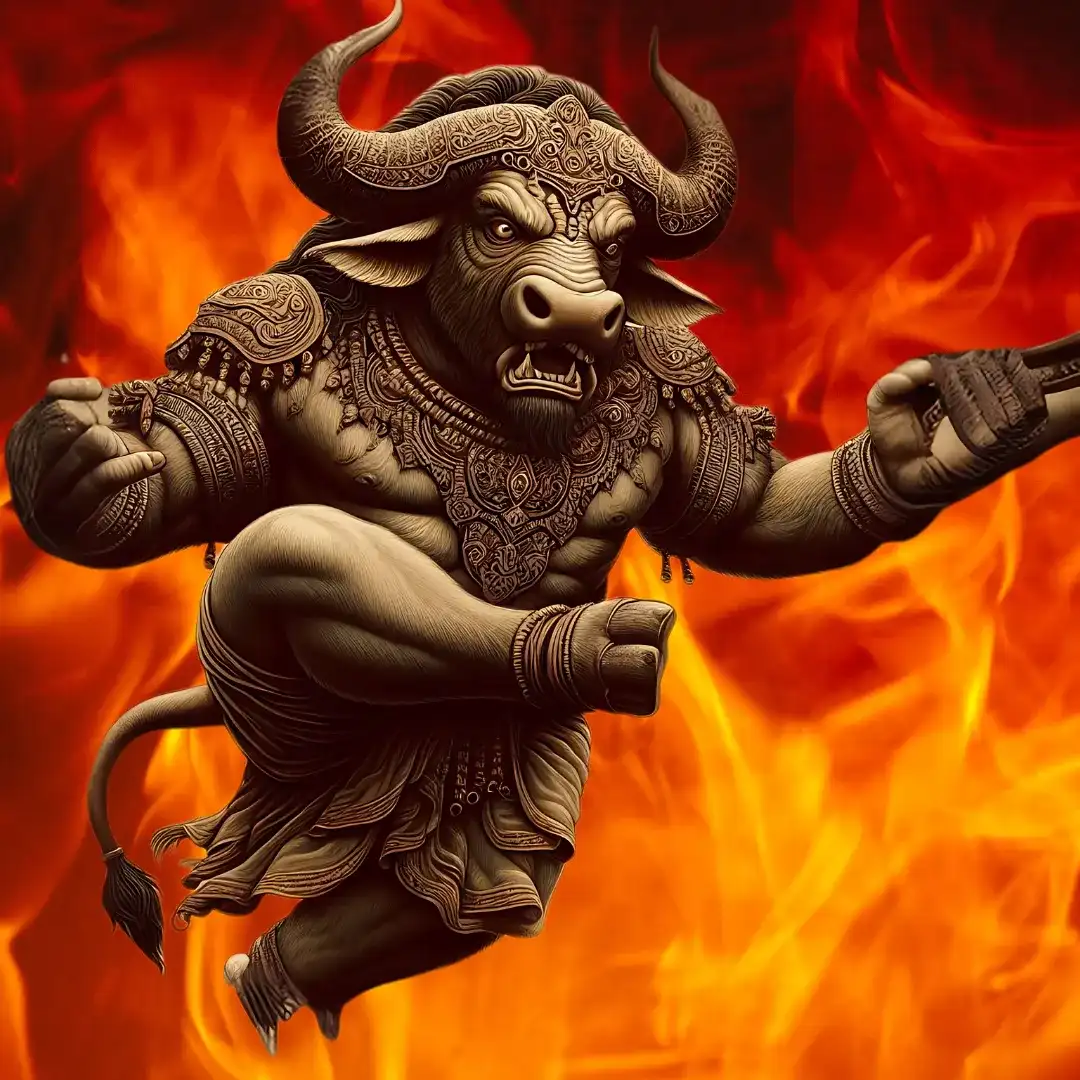
This demon was invincible and could not be killed even by the trinity themselves. After several celestial years of penance, Mahishasura had pleased Brahma Deva.
The latter asked for his death to be at the hands of a woman. The ignorant demon considered women to be helpless and powerless. Hence, to bring the destruction of the mighty demon, a powerful Devi was to be invoked. Thus, Brahma Deva, Maha Vishnu, and Mahadeva combined their Shaktis or powers into one, and thus appeared Goddess Durga.
One should not miss the glories of the Lalitha Sahasranamam in this context.
The arjuna krutha durga stotram benefits are especially felt when courage is needed before important “battles” in life, exams, negotiations, health decisions, or turning points in career. As Arjuna praised the Mother before facing daunting odds, this hymn aligns the mind with divine strategy: you act with clarity, speak with conviction, and move with unseen support. Reciting it prior to Durga Saptashati harmonizes the mind so the Paath lands deeper and works faster.
Here is Arjuna Krutha Durga Stotram (Meaning in English)
श्री-अर्जुन उवाच
Roman Diacritic: śrī-arjuna uvāca
Meaning: Arjuna said—
1
Sanskrit:
नमस्ते सिद्धसेनानि, आर्ये मन्दरवासिनि ।
कुमारी काली कापाली, कपिले कृष्णपिङ्गले ॥१॥
Roman Diacritic:
namaste siddha-senāni, ārye mandara-vāsini |
kumāri kālī kāpāli, kapile kṛṣṇa-piṅgale ||1||
Meaning:
Reverence to you, O commander of the Siddhas; O Noble One dwelling on Mandara! O Virgin, O Kālī, O Skull-garlanded One! O tawny one, dark and coppery-hued!
2
Sanskrit:
भद्रकाली नमस्तुभ्यं, महाकाली नमोऽस्तु ते ।
चण्डि चण्डे नमस्तुभ्यं, तारिणि वरवर्णिनि ॥२॥
Roman Diacritic:
bhadrakālī namastubhyaṃ, mahākālī namo ’stu te |
caṇḍi caṇḍe namastubhyaṃ, tāriṇi vara-varṇini ||2||
Meaning:
Salutations to you, O Auspicious Kālī; obeisance to you, O Great Kālī. I bow to you, O fierce Caṇḍī; O Saviouress, O exquisitely radiant One!
3
Sanskrit:
कात्यायनि महाभागे, करालि विजये जये ।
शिखिपिच्छध्वजधरे, नानाभरणभूषिते ॥३॥
Roman Diacritic:
kātyāyani mahā-bhāge, karāli vijaye jaye |
śikhi-piccha-dhvaja-dhare, nānā-bharaṇa-bhūṣite ||3||
Meaning:
O Kātyāyanī, greatly blessed; O Terrible One, giver of triumph, embodiment of Victory! You who bear the peacock-plumed banner, adorned with many ornaments!
4
Sanskrit:
अट्टशूलप्रहरणे, खड्गखेटकधारिणि ।
गोपेन्द्रस्यानुजे ज्येष्ठे, नन्दगोपकुलोद्भवे ॥४॥
Roman Diacritic:
aṭṭaśūla-praharaṇe, khaḍga-kheṭaka-dhāriṇi |
gopendrasyānuje jyeṣṭhe, nanda-gopa-kulodbhave ||4||
Meaning:
Wielder of the dreadful spear, bearer of sword and shield! Born in the clan of Nanda the cowherd—Krishna’s younger (yet venerable, elder-like) sister!
5
Sanskrit:
महिषासृक्प्रिये नित्यं, कौशिकी पीतवासिनि ।
अट्टहासे कोकमुखे, नमस्तेऽस्तु रणप्रिये ॥५॥
Roman Diacritic:
mahiṣāsṛk-priye nityaṃ, kauśikī pīta-vāsini |
aṭṭahāse koka-mukhe, namaste ’stu raṇa-priye ||5||
Meaning:
Forever fond of the buffalo-demon’s blood; O Kauśikī, clad in yellow! With roaring laughter and the wolf-faced form that devoured the Asuras—I bow to you who delight in battle!
6
Sanskrit:
उमे शाकम्भरि श्वेते, कृष्णे कैटभनाशिनि ।
हिरण्याक्षि विरूपाक्षि, सुधूम्राक्षि नमोऽस्तु ते ॥६॥
Roman Diacritic:
ume śākambhari śvete, kṛṣṇe kaiṭabha-nāśini |
hiraṇyākṣi virūpākṣi, sudhūmrākṣi namo ’stu te ||6||
Meaning:
O Umā! O Śākambharī! White and also black in hue; destroyer of Kaiṭabha! O golden-eyed, many-formed, and smoke-hued-eyed Goddess—my salutations to you!
7
Sanskrit:
वेदश्रुतिमहापुण्ये, ब्राह्मण्ये जातवेदसि ।
जम्बूकटकचैत्येषु, नित्यं सन्निहितालये ॥७॥
Roman Diacritic:
veda-śruti-mahā-puṇye, brāhmaṇye jātavedasi |
jambū-kaṭaka-caityeṣu, nityaṃ sannihitālaye ||7||
Meaning:
You are the Vedas and Śrutis, the highest holy merit; the protectress of Brahmins and the all-knower. You ever abide, present in the sacred shrines across Jambūdvīpa.
8
Sanskrit:
त्वं ब्रह्मविद्या महा-निद्रा, च देहिनां भगवति ।
स्कन्दमातर् दुर्गे, कान्तारवासिनि ॥८॥
Roman Diacritic:
tvaṃ brahmavidyā mahā-nidrā ca dehināṃ bhagavati |
skanda-mātar, durge, kāntāra-vāsini ||8||
Meaning:
You are Brahma-vidyā—the highest knowledge—and the great sleep that overcomes embodied beings. O Mother of Skanda, O Durgā, dweller in the most inaccessible wilds!
9
Sanskrit:
स्वाहाकारः स्वधा चैव, कला काष्ठा सरस्वती ।
सावित्री वेदमाता च, तथा वेदान्त उच्यते ॥९॥
Roman Diacritic:
svāhākāraḥ svadhā caiva, kalā kāṣṭhā sarasvatī |
sāvitrī veda-mātā ca, tathā vedānta ucyate ||9||
Meaning:
You are Svāhā and Svadhā; you are the measures of time—kalā and kāṣṭhā; you are Sarasvatī, the stream of wisdom, Sāvitrī, the mother of the Vedas, and the very spirit of Vedānta.
10
Sanskrit:
स्तुतासि त्वं महादेवि, विशुद्धेनान्तरात्मना ।
जयो भवतु मे नित्यं, त्वत्प्रसादादरणाजिरे ॥१०॥
Roman Diacritic:
stutāsi tvaṃ mahādevī, viśuddhenāntarātmanā |
jayo bhavatu me nityaṃ, tvat-prasādād raṇājire ||10||
Meaning:
Praised are you, O Great Goddess, with an inner mind made pure. By your grace, may victory always be mine upon the battlefield.
11
Sanskrit:
कान्तारभयदुर्गेषु, भक्तानाम् आल्येषु च ।
नित्यं वससि पाताले, युद्धे जयसि दानवान् ॥११॥
Roman Diacritic:
kāntāra-bhaya-durgeṣu, bhaktānām ālayeṣu ca |
nityaṃ vasasi pātāle, yuddhe jayasi dānavān ||11||
Meaning:
You dwell in fearful wildernesses and in the sanctuaries of your devotees; you abide even in Pātāla. In battle you ever conquer the Dānavas.
12
Sanskrit:
त्वं जाम्भिनी मोहिनी च, माया ह्रीः श्रीस्तथैव च ।
सन्ध्या प्रभावती चैव, सावित्री जननी तथा ॥१२॥
Roman Diacritic:
tvaṃ jāmbhinī mohinī ca, māyā hrīḥ śrīs tathaiva ca |
sandhyā prabhāvatī caiva, sāvitrī jananī tathā ||12||
Meaning:
You are Jāmbhinī (who stiffens), Mohinī (who enchants); you are Māyā, Modesty (Hrī), and Splendour (Śrī). You are Twilight, the brilliance of day, and Sāvitrī—the universal Mother.
13
Sanskrit:
तुष्टिः पुष्टिर्धृतिदीप्तिः, चन्द्रादित्यविवर्धनी ।
भूतिर्भूतिमतां संख्ये, वीक्ष्यसे सिद्धचारणैः ॥१३॥
Roman Diacritic:
tuṣṭiḥ puṣṭir dhṛti-dīptiḥ, candrāditya-vivardhinī |
bhūtir bhūtimatāṃ saṃkhye, vīkṣyase siddha-cāraṇaiḥ ||13||
Meaning:
You are contentment, nourishment, steadfast courage, and radiant brilliance—enhancing the lustre of sun and moon. You are prosperity among the prosperous, beheld in contemplation by Siddhas and celestial bards.
Power of Devi Shakti
Devi’s splendor represented a thousand Suryas put together. Devi became the source of exquisite beauty, motherly affection, and protective nature. The Devas bowed and presented her with various weapons and gifts. Devi Durga stands as the embodiment of power, wisdom, and Truth.
The Durga Saptashati briefly illustrates the adventures of Devi slaying Asuras like Mahishasura, Shumbh-Nishumbh, Chand-Munda, Raktabeeja, etc. It even describes Devi’s Satvik, Rajasik, and Tamasik forms, her moods, leelas, and rituals to please her. The recitation of the Durga Saptashati daily keeps one protected from enemies, illnesses, black magic, and obstacles. It increases courage, confidence and makes one bestows fearlessness.
One can chant the Stotram daily; however, the recitation of the Durga Saptashati is highly beneficial during the Navratri nights. Devi Durga is the reservoir of all strength. Her mantra eradicates all weaknesses and fears.
A practical note on rhythm: set a sustainable count—one chapter daily, or all thirteen across Navratri—and keep it. Consistency unlocks the deeper durga saptashati mantra benefits: your inner talk grows kinder, courage becomes steady rather than spiky, and you start choosing what nourishes your dharma over what drains it. In time, the Mother’s grace feels less like a sudden miracle and more like a dependable companion.
Among the durga saptashati mantra benefits, three stand out for householders: purification of the home’s emotional climate, restoration of personal willpower, and gentle removal of obstacles that seemed “stuck” for months. Regular japa of the Navakshari within the flow of Saptashati stabilizes prana, making daily decisions simpler and sleep more restful. Over time, devotees notice that reactive anger reduces and a quiet fearlessness becomes their new baseline.
Before delving into the Benefits of Chanting the Durga Saptashati, let us explore the Exotic Gauri Yantram, that can help you grow immensely both materially and spirituallly along with your regular practice of the Durga Saptashati.
The Phenomenal Gauri Devi Yantram
What is the Gauri Devi Yantram?
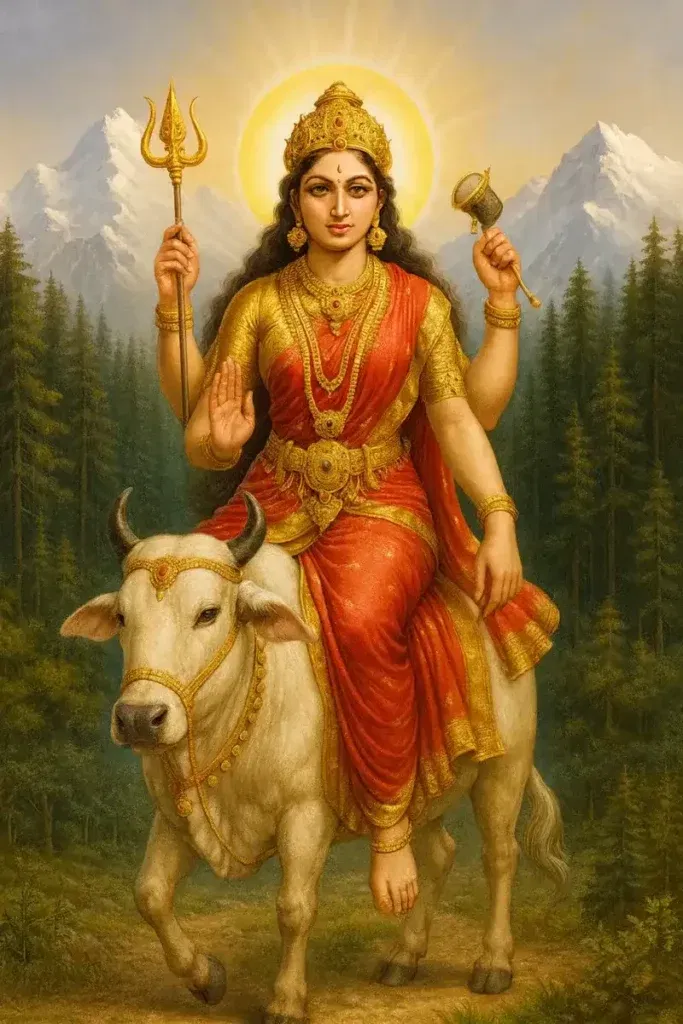
The Gauri Devi Yantram is a sacred geometric map that concentrates the compassionate, luminous force of Gauri, Shiva’s Shakti in her auspicious, benevolent form, into a visual mantra. Where the spoken mantra reshapes consciousness through sound, the yantra performs the same alchemy through form. In practice, the devotee “listens with the eyes”: attention is anchored on the bindu at the center while breath quietly lengthens, mantra turns inward, and the geometry begins to “carry” the mind.
Gauri is the purifier of mind and the harmonizer of relationships, prosperity, and fertility. When a seeker contemplates this yantra while repeating the Gauri mantra, the scattered currents of thought gradually align with the yantra’s ordered fields: triangles (icchā, jñāna, kriyā shakti), lotuses (opening of inner petals), and the protective bhūpura (holy boundary). The yantra’s nested symmetry functions like a tuning fork; it entrains attention away from anxiety and toward sattva (clarity).
In household life, the Gauri Yantram is a dignified presence, quietly strengthening marital harmony, softening speech, blessing wealth-related decisions, and guarding the sanctity of the home. For sādhakas, it is a steady support for mantra-japa, prāṇāyāma, and guru-guided upāsana. Over weeks of daily practice, devotees report a felt shift: less reactivity, more warmth in the heart, a cleaner, brighter inner space. The mantra plants the seed; the yantra gives it an exact, sheltered soil to sprout.
Benefits of the Gauri Devi Yantram
The first gift is mental steadiness. Regular gazing (trāṭaka) at the bindu, followed by soft mantra-japa, reduces internal noise and cultivates a naturally devotional mood. This calm extends into speech and relationships; Gauri’s grace softens egoic edges so that daily interactions feel less adversarial and more cooperative.
The yantra also supports prosperity decisions. Devotees often notice fewer impulsive purchases and more timely opportunities, the mind becomes less clouded, so one recognizes right guidance quickly. When placed respectfully near a business desk or tidy cash box, it lends a dignified “Lakshmi-like” order to financial flows without greed.
For couples and families, the yantra promotes harmony. Fewer misunderstandings, faster forgiveness, warmer affection, these arise as the heart center gently clears. Those seeking marriage or children honor Gauri as auspicious mother; her yantra becomes a daily sankalpa seat for wholesome desires expressed without anxiety.
Spiritually, the yantra clears dullness and fuels sādhana. It invites regularity, inspires japa counts to increase gradually, and helps one keep vrata boundaries without strain. Sleep becomes cleaner, intuition sharper, and meditation naturally deeper. Periods of low mood often shorten; gratitude returns more easily. The benefit is not loud “miracles” but a consistent, noble stability that quietly upgrades every domain of life.
Structure of the Gauri Devi Yantram
At the center sits the bindu, the point where awareness rests and from which the yantra’s force radiates. Surrounding it are nine interlocking triangles (five downward, four upward), producing a web of smaller triangles that symbolize the union of Shiva–Shakti as ordered creative power. This inner śrī-chakra-like body is held within a dark green circle (cakra), the mind-field where attention stabilizes.
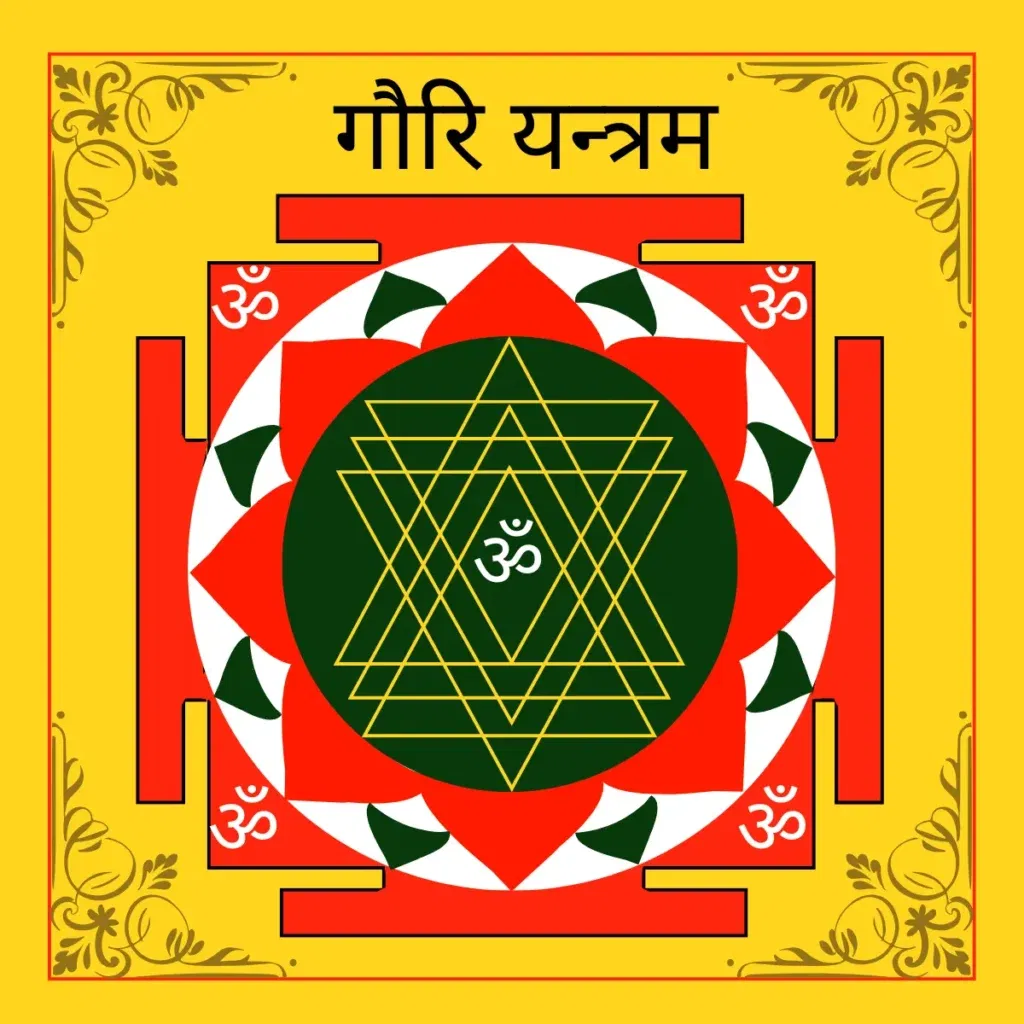
Encircling the chakra are two lotus circuits: an inner eight-petal wheel (opening of subtle faculties) and an outer sixteen-petal ring (expansion into life’s domains). In the attached diagram these petals are stylized with alternating red and white kites and crescents, indicating the balance of heat and coolness, effort and grace. A protective white circumference contains this lotus, signifying purity and sanctity of practice.
The entire yantra rests within a red square bhūpura, the sacred enclosure, with four T-shaped gateways facing the cardinal directions, welcoming divinity in and allowing blessings to move outward into the householder’s world. Corner flourishes evoke auspiciousness. The palette, gold/yellow, red, white, and green, mirrors Gauri’s auspicious radiance (gaurā, fair/shining), the heat of tapas, the purity of sattva, and the fertility of earth.
Energy Transmission & Chakra Impact of the Gauri Devi Yantram
The bindu acts as an attractor point; sustained visual attention collapses wandering thoughts into a single, lucid line. The interlocking triangles are dynamic vectors of Shakti: upward triangles awaken aspiration and discernment; downward triangles seat compassion in the body. Their equilibrium naturally harmonizes left–right brain functions and stabilizes prāṇa.

The eight-petal wheel subtly tunes Anāhata (heart) and Viśuddha (throat) so speech becomes kinder and intention clearer. The sixteen-petal ring entrains the lunar mind (manas) toward steadiness, which devotees experience as fewer mood swings and a more even devotional current. The bhūpura is the boundary technology; it retains cultivated sattva and prevents dissipative habits from leaking energy.
Practically, this geometry “teaches” the nervous system a posture of dignified ease. Over time, mantra vibrates through these shapes like water through a well-cut canal, distributing clarity to the home, relationships, and livelihood. The yantra does not “do the work for you”, it makes your work simpler, straighter, and safer.
Mantras to Activate the Gauri Devi Yantram
- Beeja/Primary Mantra (simple & potent):
“ॐ ह्रीं गौर्यै नमः” , Om Hrīm Gauryai Namaḥ
Hrīm is a principal Devi-bīja used for forms of Parvati including Gauri; it gathers devotion into the heart and refines perception. - Gauri Gayatri (for disciplined sādhana under guidance):
“ॐ गौरि देव्यै विद्महे । कामराजाय धीमहि । तन्नो देवी प्रचोदयात् ॥”
Om Gauri Devyai Vidmahe, Kamarājāya Dhīmahi, Tanno Devī Prachodayāt.
A classical invocation aligning awareness to Gauri’s gentle, harmonizing power.
Practice note & deeksha: Formal energization is not a casual act. A living Guru/paramparā aligns mantra, breath, sankalpa, and boundaries; this deepens efficacy and keeps the practice safe. Even without deeksha, sincere daily worship with purity, clean space, and steady counts (start 11–27, grow to 108) is beneficial; seek initiation when possible.
How the Gauri Devi Yantram is prepared at YantraChants.com
At YantraChants, yantras are handmade on Himalayan birch bark (Bhojpatra) for its time-honored capacity to retain sacred vibration and carry sankalpa. This medium is not chosen for convenience; it is chosen because sages preserved mantras and yantras on it precisely for its living conductivity.
Each yantra is prepared for a specific recipient, not mass-produced. Materials are natural and sattvic, kesar/saffron, chandan, ashtagandha, kumkum, applied with a traditional pomegranate-wood stylus (anaar kalam); the yantra is then energized through mantra-japa and Guru-paramparā rites before being housed respectfully.
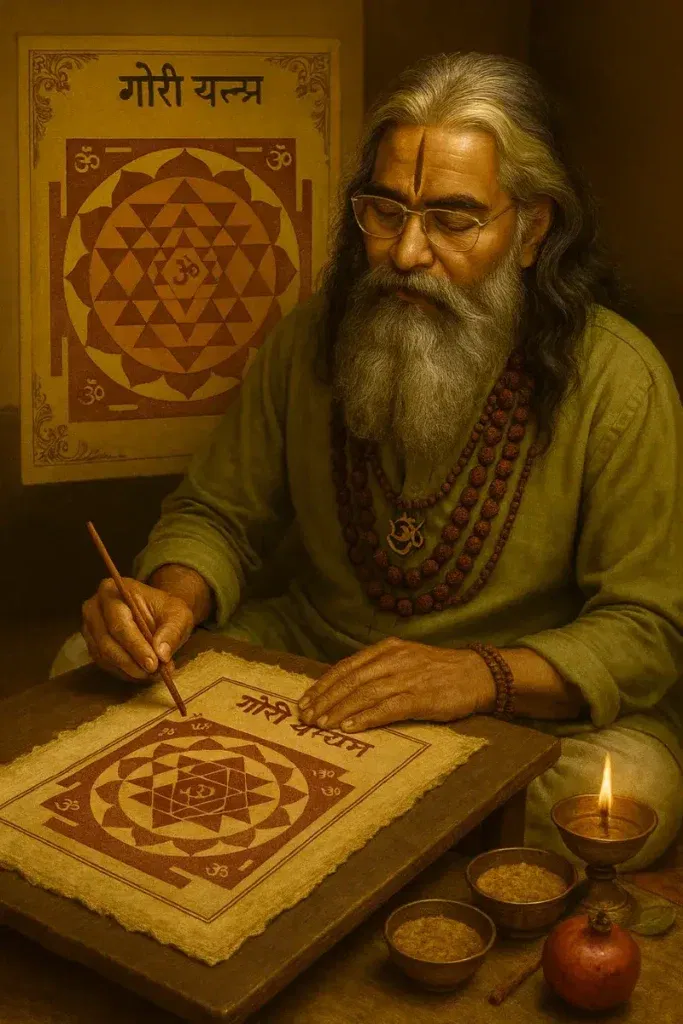
The activation process follows the principle that a yantra is a tool (yantra = instrument) that becomes “alive” through prāṇa-pratiṣṭhā, focused mantra with right intention, not merely drawing lines. Thus, the finished Bhojpatra yantra functions as a compact altar: a personal, dignified conduit between seeker, mantra, and the Devi.
(Readers wishing to understand our philosophy and vow of made-to-receiver craftsmanship can review our About page )
Importance of a Self-Realized Guru in Yantra Creation Process
A self-realized Guru is not merely a teacher but a living tuning fork. In the Guru’s current, the disciple’s sankalpa is clarified, excess ambition is softened, and the practice becomes safe, consistent, and balanced. The Guru transmits maryādā, what to do, what not to do, when to do, and bhāva, how to hold the Devi in the heart so that japa doesn’t become mechanical. Under such guidance, the yantra ceases to be an object and becomes a subtle field that “travels” with the disciple into daily life.
Practically, results surface as fewer inner conflicts, cleaner choices, and a felt current of protection. Without guidance, one can still benefit through reverent simplicity; with guidance, the same practice matures faster and avoids the usual detours. The yantra activates in the recipient’s life when mantra, geometry, conduct, and grace are braided, something the Guru embodies naturally.
Rare Observations in Using the Gauri Devi Yantram
Devotees often report a gentle sweetening of home atmosphere, quieter nights, kinder conversations, and a spontaneous desire to declutter sacred spaces. During Navaratri, Friday evenings, and certain lunar nights, attention often slips into deeper absorption quickly; japa counts rise without strain. Subtle signs can include calmer breath at the heart center, a coolness at the crown after pūjā, or meaningful dreams that resolve relationship knots. When anxiety spikes, just sitting before the yantra with slow exhale counts restores balance. For fertility-related sankalpas, couples keep practice sattvic, private, and consistent; consultation is advised for boundaries.
Tantrika Significance of Gauri Devi’s Form
Tantra sees yantra as an astral weapon, not for aggression but for precision. The geometry cuts through confusion the way a sharp plough turns hard soil. Gauri’s benign force is mighty; her light reconciles opposites: firmness with tenderness, worldly responsibility with inner quiet. In sādhana, the Gauri Yantram functions as a protective mandala that stabilizes prāṇa (downward and upward flows), guards vrata, and sanctifies wealth and family dharma, revealing who Gauri is: the auspicious mother who makes life orderly, beautiful, and spiritually oriented.
Frequently Asked Questions (FAQs) about the Gauri Yantram
Q1. What is the Gauri Devi Yantram and how does it work with the Gauri Devi Mantra?
A: The yantra is a geometric support that steadies attention on Gauri. Mantra-japa while gazing at the bindu aligns mind, breath, and emotion with the yantra’s order so devotion becomes steady.
Q2. How do I place the Gauri Devi Yantram at home for best results?
A: Keep it on a clean, dedicated altar facing East or North-East; you may sit facing East. Light a diya/incense and keep the surface tidy and uncluttered.
Q3. Which day is best to begin, and what is the minimum daily practice?
A: Tuesday or Friday are traditional, with Navaratri/new-moon nights favored. Do a short pūjā and chant 11–108 times with a clear, gentle sankalpa.
Q4. Do I need Guru Deeksha for the Gauri Devi Yantram?
A: Deeksha aligns you to a living paramparā and deepens safety and effect; sincere daily practice is still beneficial when done with purity.
Q5. Who can keep the Gauri Devi Yantram? Any restrictions?
A: Anyone who approaches with respect and cleanliness may keep it. Follow family paramparā norms; keep conduct sattvic.
Q6. How long does it take to see results?
A: It depends on karma and steadiness; give a 40–90 day disciplined window and review gently.
Q7. Can I keep multiple yantras together with the Gauri Devi Yantram?
A: Yes, when intentions harmonize; avoid contradictory aims on one altar and maintain spacing.
Q8. How do I cleanse and re-energize the Gauri Devi Yantram regularly?
A: Dust/wipe gently, offer diya/dhūpa, and do periodic japa (11/27/108). Monthly vrata days are ideal.
Q9. Where should I place it in an office/shop, or can I carry a kavach version?
A: Place near your work desk or dignified cash area; a pocket kavach is fine when carried respectfully.
Q10. What if the yantra fades, cracks, or is accidentally disrespected?
A: This is extremely rare, if the Yantra is prepared at Yantrachants.com. Yet in some very rare cases it may happen. If so, retire it respectfully, wrap in a clean cloth and bury/immerse per local custom, then install a properly prepared yantra.
Q11. Are there special times for Śākta worship like Navaratri or amāvasyā?
A: Yes, Śākta currents are strong then; keep purity, protect boundaries, and follow your Guru’s maryādā.
Q12. What offerings suit a Śākta deity?
A: Red/white flowers, kumkum, chandan, simple sattvic naivedyam, clean water, and a bright diya.
Q13. How do I set a sankalpa for wealth, career, fertility, or spiritual growth without anxiety?
A: State it softly at the start, then release it into steady practice. Let gratitude and right action carry it.
Custom FAQs , 8 Most Popular Questions
Q14. What’s the simplest Gauri mantra I can start with today?
A: Om Hrīm Gauryai Namaḥ is concise and powerful for daily japa; sit calmly, keep counts, and be consistent.
Q15. Is the Gauri Gayatri suitable for everyone?
A: It’s best under guidance or after a stable period with the simple mantra; chant with humility and clear boundaries.
Q16. Why does YantraChants use Bhojpatra instead of only metal plates?
A: Bhojpatra uniquely holds sankalpa and sacred vibration; we prepare yantras for the receiver and energize them via paramparā rites.
Q17. Can I frame a Bhojpatra yantra behind glass?
A: Yes, if it’s kept dry, clean, and out of harsh sunlight; ensure it’s reachable for periodic pūjā and japa. (General care guidance; see our home and “How-to” articles.)
Q18. What are early signs the yantra is “taking effect”?
A: Cleaner sleep, kinder speech, timely opportunities, reduced restlessness, and a natural desire to keep space pure.
Q19. Can couples chant together for harmony or fertility?
A: Yes, sit together on Fridays, keep sankalpa dignified, maintain sattva, and be consistent for 40–90 days.
Q20. How does metal choice matter if I later commission a plate?
A: Copper stabilizes, silver refines, gold magnifies/attracts, while panchaloha balances, choose per guidance and goal.
Q21. I travel often, can I carry a pocket Bhojpatra yantra?
A: Yes; it acts like a compact altar when respected and kept clean and private.
Benefits of Chanting Durga Saptashati
Work stress and an unhealthy lifestyle have become a part of today’s society. However, they can be controlled or eradicated if one remains steadfast to a particular spiritual sadhana. And what can be more beneficial than the recitation of The Durga Saptashati? These verses are another form of Devi Durga. If one recites it with love, the mantra will manifest into reality.
The Durga Saptashati is a synonym for Kalpa Vriksha or a wish-fulfilling tree. It blesses the sadhaka with desired results. Like a mother fulfills her child’s requests, Devi Shakti will fulfill her devotee’s wish.
Traditional teachers highlight distinctive durga path benefits when the recitation follows a sankalpa: work growth without burnout, protection from envy, harmony among family members, and a brighter financial current that does not compromise dharma. The “path” is not a mere reading; it is a pilgrimage of sound. Approach it with cleanliness, a lamp, and gratitude, and you’ll feel a subtle auspiciousness settle into your routine and relationships.
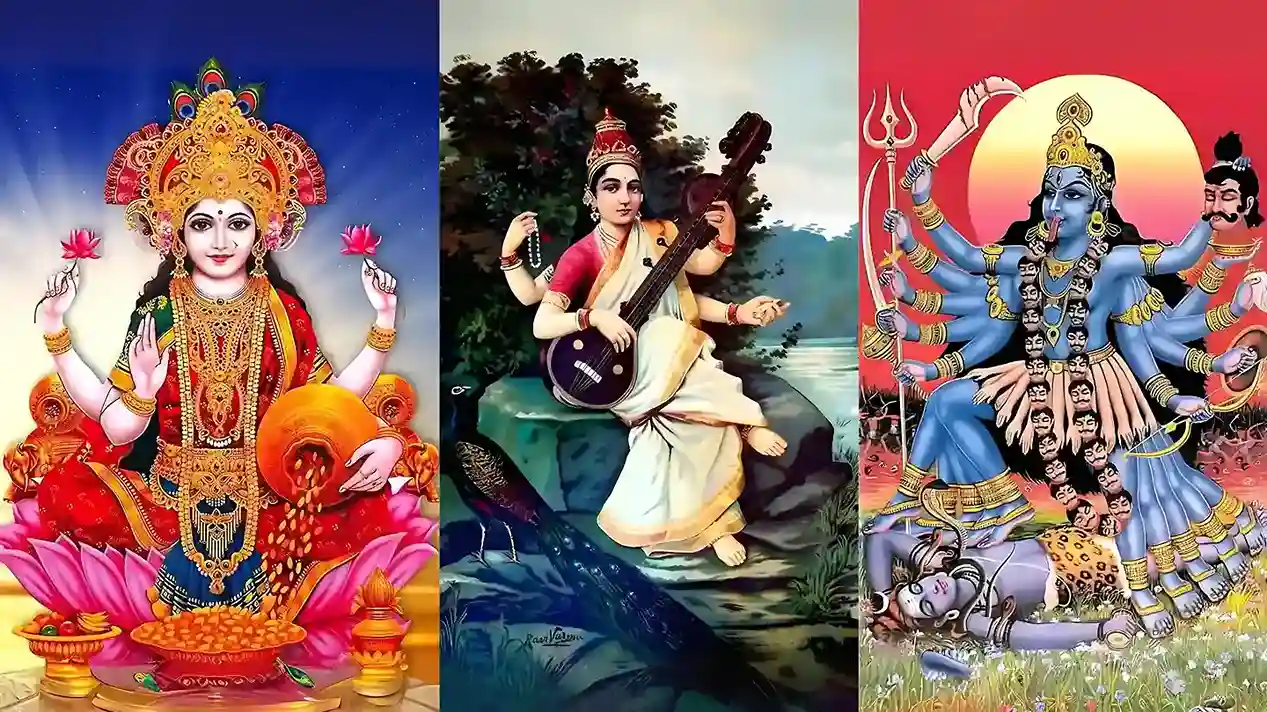
One must realize that Devi Shakti is the manifestation of all three supreme goddesses: Devi Saraswati, Laxmi Devi, and Goddess Parvati. In the form of Devi Saraswati, the mantra will grant wisdom, Vak Shakti or Speech, Knowledge, and spiritual insight. The power of Laxmi Devi will bless the chanter with wealth, prosperity, health, and family happiness.
Parvati Devi will bestow courage, bravery, and the power to oust disturbing people from one’s life.
One will become wiser and develop the ability to discriminate between good and bad.
If we look at the scientific benefits of the Durga Saptashati, you might be amazed! In our Vedic scriptures, sound waves or Dhvanis possess great importance. They directly affect our minds. The Durga Saptashati consists of Beejas and shlokas, all having higher vibrations.
I suggest that one should recite the Durga Saptashati under the able guidance of a Shakta Guru. Devi Mantras and Shlokas contain heat and magnetic energy. Wrong beginning or abrupt pronunciation may create adverse effects on the body and mind. Hence, the chanter should avoid making pronunciation mistakes. It is better to learn the shlokas from a trained guru.
When done with guidance, the durga sadhana benefits extend beyond chanting time. Breath becomes smoother, attention less scattered, and the heart more resilient in the face of uncertainty. As the nadis clear, inspiration returns, new solutions appear where you felt cornered. This is why seasoned sadhakas pair Saptashati with simple disciplines: a fixed seat, a clean altar, and a grateful mind. Sincerity multiplies results.
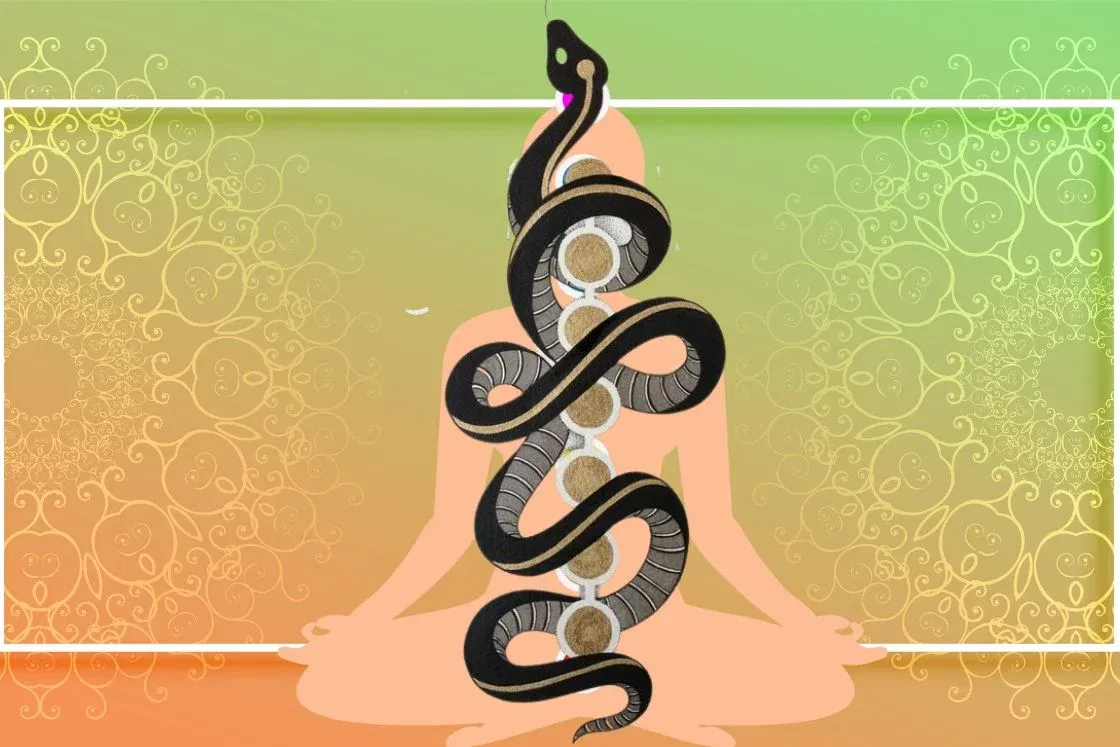
The Svara or sound of the Shlokas vibrates inside and outside the body of the Sadhaka. The chanting energizes the blood vessels and the nervous system of the body. It even balances one’s Kundalini Chakra, which makes the mind calmer and more peaceful. Mental illnesses can be cured through the guided recitation of this Stotra. It is a proven fact!
Process of Undertaking the Saptashati Sadhana
Let us now discuss the authorized process to chant the Durga Saptashati. First, get up early in the morning around 5:00 or 6:30 A.M. Waking up early keeps the mind calm and stable. The flow of negative thoughts is less during morning hours, allowing you to focus and concentrate.
Having a bath is advisable; however, you can wash your hands and feet. Then clean and wash the place where you will sit. Remember, cleanliness is an important aspect of Durga sadhana. Devi never resides in unclean and unpleasant places.
One more gentle optimization for results: keep a dedicated asana and cloth only for your Paath. This simple vow deepens the durga path benefits by training the body to enter prayerful focus the moment you sit. The mind resists less, distractions fade quicker, and the Paath’s energy imprints more strongly in your daily actions.
Dirt and filth attract negative vibrations, which do not please Devi. Hence, maintain cleanliness in whatever way you can. There is no specific dress code to wear while reciting the Durga Saptashati.
However, you can wear a red dhoti or a dress. Red is the favorite color of Goddess Shakti, resembling power, energy, and confidence. Sit on an asana and place a Durga idol or photo in front of you.
It is important to keep something related to Devi Durga, ensuring her presence in the house. You can even offer Bhoga or some fruits to Devi. Light a Diya or a lamp opposite Durga Devi and pay your obeisance. Then you can start the recitation of the Durga Saptashati.
Now, there are two traditional methods to read the Stotram:
1. Trayangam is a method in which you recite the Kavach, Argala, and the Keelakam along with the Navakshari mantra.
2. Subsequently, you can continue with the Paath.
3. Navangam is a process in which you recite the nine prayers: Devi Nyasa, Devi Aavahan, Devi Namami, Argala Stotram, Keelaka Stotram, Devi Hrudaya, Devi Dhala, Devi Dhyana, and Devi Kavach.
4. After that, you can recite the main Paath.
Those who add a short recitation of Durga Suktam before or after the Paath often note complementary gains. The durga suktam benefits include a cooling clarity of mind, refinement of speech, and a felt sanctity in the space where you chant. While Saptashati moves mountains, Durga Suktam polishes the inner mirror, together they anchor shakti with serenity, making your sadhana both powerful and beautifully balanced.
According to our scriptures, one should read the Saptashati Stotram at a stretch, without a break. Taking breaks interrupts the flow of energy, creating unwanted vibrations. However, during Navratri, the full Stotra is divided into nine chapters.
Hence, I suggest you not take any stress and chant the mantra with devotion. The magnetic effect of the mantra will gradually attract you, and the recitation of the Durga Saptashati will become an integral part of your life.
To round it off, remember that the benefits of reading durga saptashati are cumulative. Treat each sitting as a small sacred deposit into your spiritual account. On difficult days, simply listen or read the meanings; on stronger days, chant with full voice. Either way, the Devi’s current keeps flowing, organizing your life quietly from within, and guiding you toward timely opportunities, right allies, and a fearless heart.

Rohini Devi Dasi