
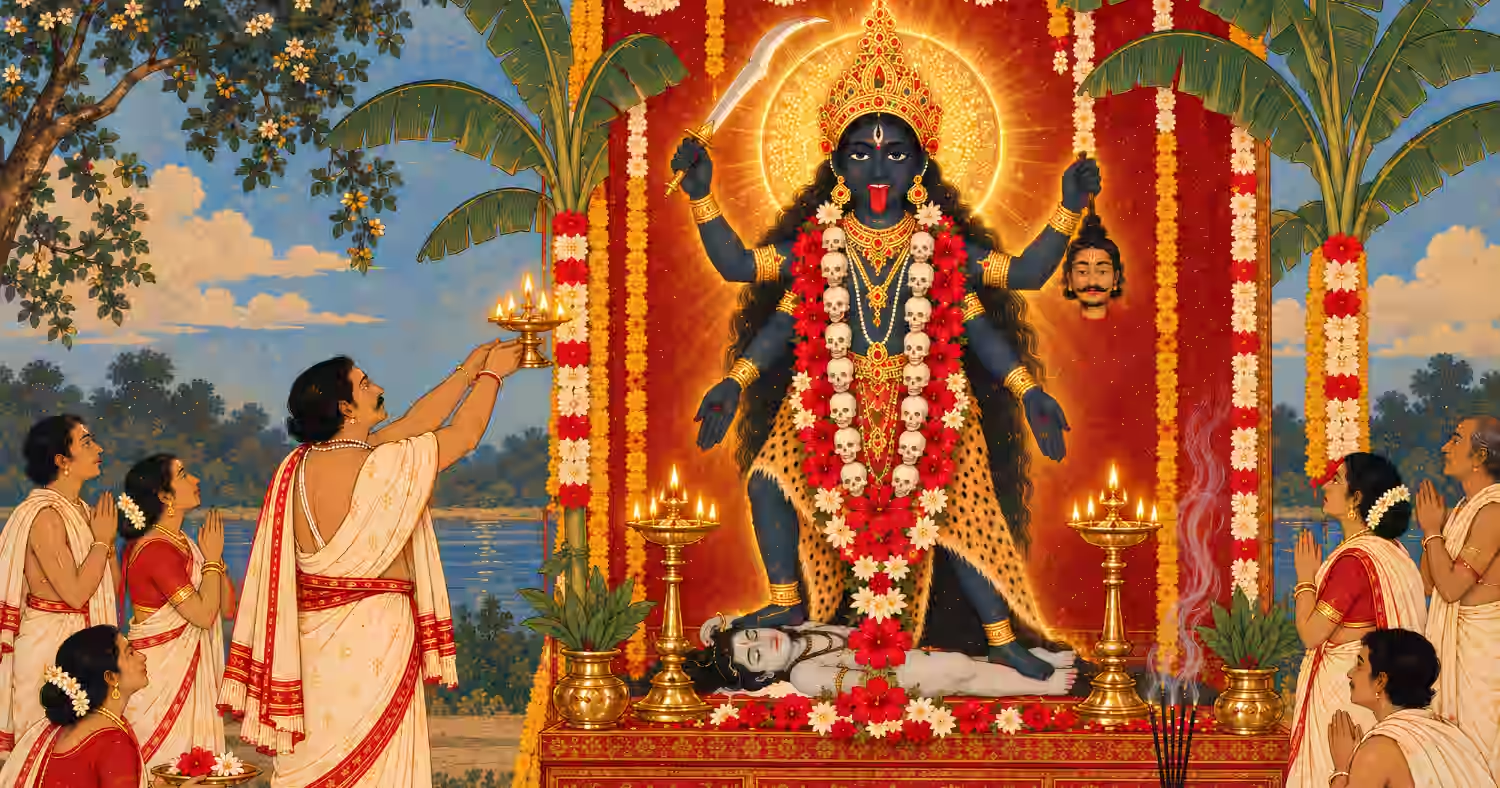
Kali Devi has a significant status in Hinduism, grandly celebrated in West Bengal. However, Her worship has been far unexplored by the greater mass of society. She is Time personified and the Mother of the Universe.
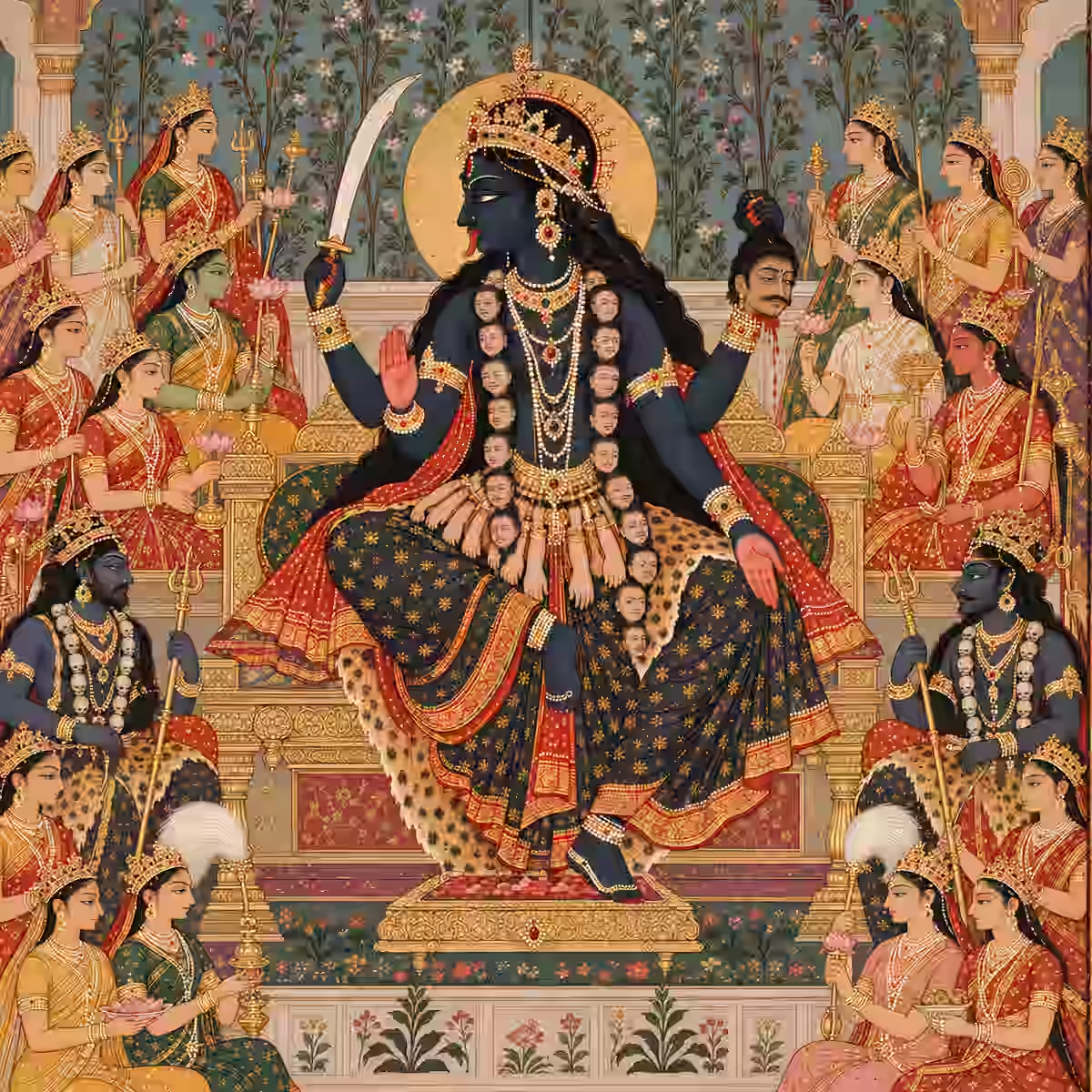
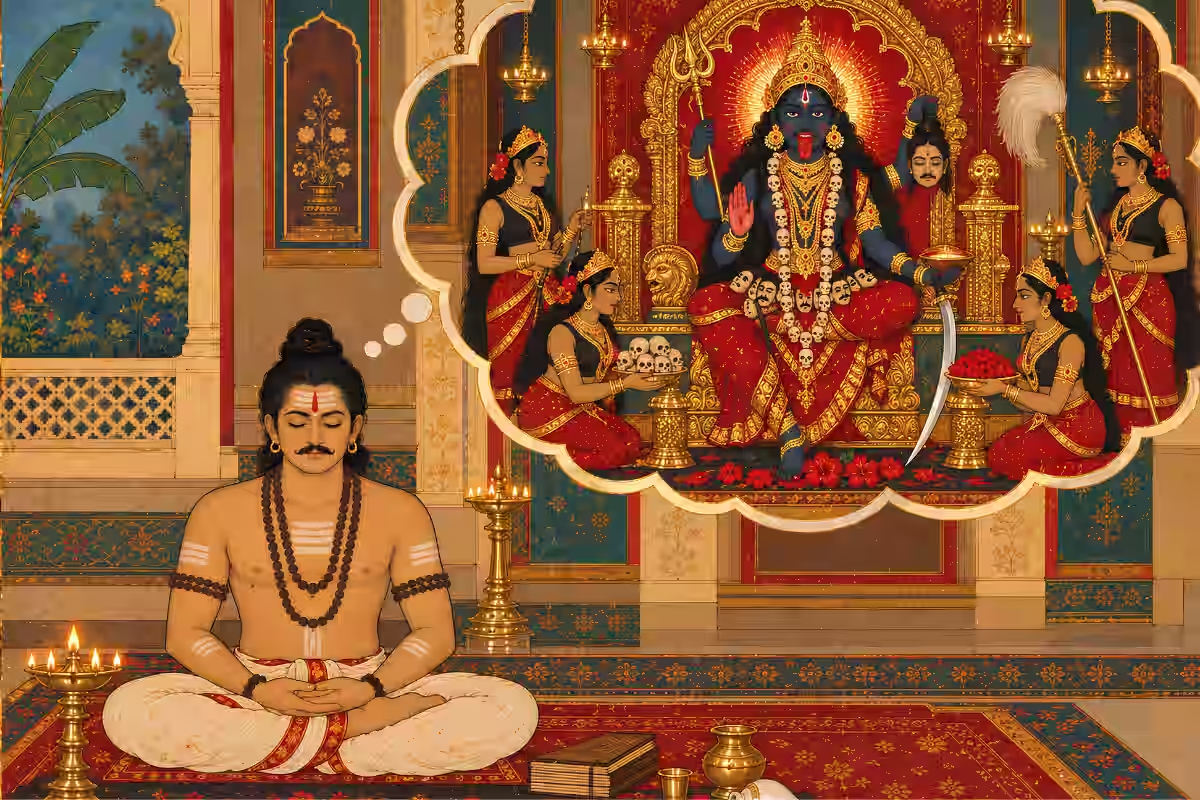
The Shastras worship Her as a whole universe. She sits in Her full royal court, surrounded by Her Nityas, Matrikas, Bhairavas and guardians. That complete darshan is called Mahakali Yantra Avarana Puja.
How does one please Mother Kali and experience the benefits of Her sadhana?
The answer lies in the Mundamala Tantra, where Lord Shiva tells Mother Parvati.
विना तन्त्राद् विना मन्त्राद् विना यन्त्रान्महेश्वरि । न च भक्तिश्च मुक्तिश्च जायते वरवर्णिनि ॥
Meaning: “O Maheshvarī! Without Tantra, Mantra, and Yantra, one can attain neither Bhakti nor Mukti, O beautiful one.”
-Eighth Paṭala, Verses 41–42
The Mundamala Tantra emphasises the importance of all the three in devi worship: Yantra, Mantra and Tantra. Therefore, in Tantrik texts, there is the process of Yantra Avarna Puja to appease Shakti.
What Is Maa Kali Yantra Avarana Puja?
The Kali Yantra avarana puja is a Tantrik process of worship that combines Yantra, Mantra and Dhyana.
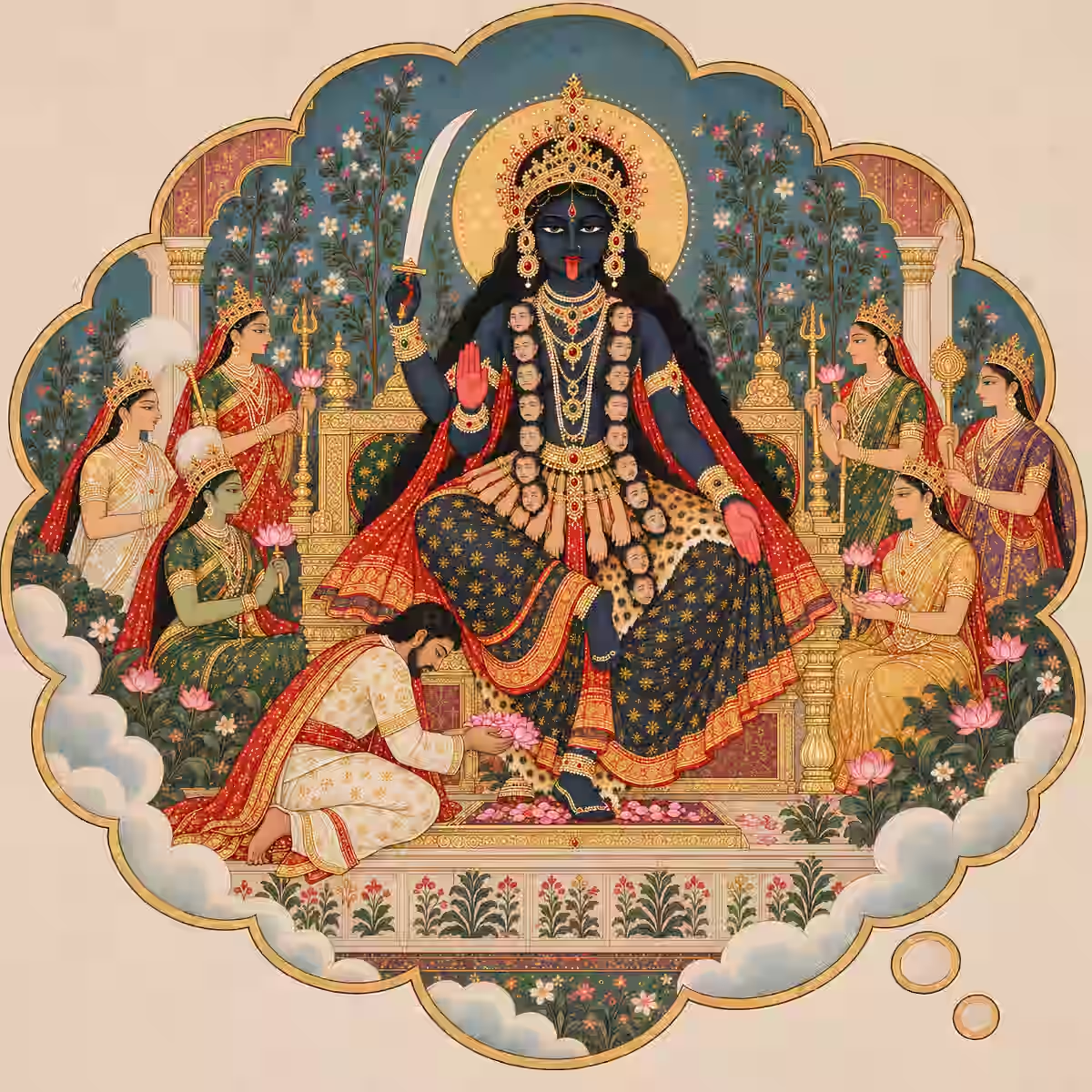
पीठादि देवीं प्रणमेत् पूजयेद् गन्धपुष्पकैः ।
महाभागां ततो मूलदेवीमावरणैः सह ॥Meaning: “After showing respect to the Goddess and the Pitha with scents and flowers, the person worships the chief devi along with the Avarana deities surrounding Her.”
-The Kulachudamani Tantra, Chapter 6, verse 3,
The Yantra Avarana puja is special because it worships Ma Kali in her full splendor.
An analogy can help explain this concept. We can know the greatness of a king, when he is around powerful soldiers, his ministers, priests and influential associates. Without them, a king would seem incomplete.
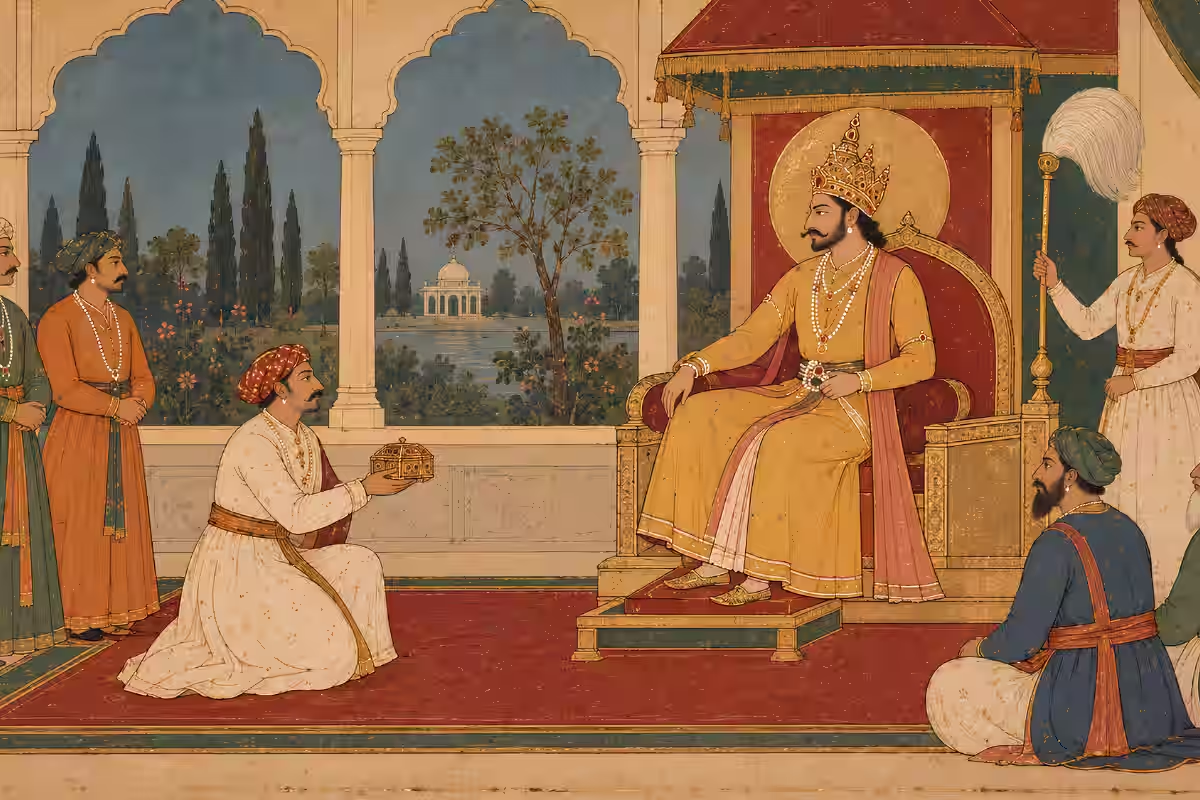
A king by himself is capable of power even while resting in his chambers. But, the immensity and power of his post is felt when he passes orders and judgements in his royal court and when others are obeying him. Similarly the Yantra Avarana puja is a process to know Devi in Her completeness. It invokes not only the goddess but also Her attendants and associates who reflect Her powers.
The Shaktis Worshipped in Ma Kali Yantra Avarana Puja
While simpler Yantras only worship Ma Kali, the complete Avarana puja begins with:
- Pitha Puja: We set the sacred seat for Ma Kali by worshipping the Nine Shaktis.
- Shadanga devatas (the six limbs of Ma Kali’s subtle body).
- Mother Kali is visualized at the centre of the Yantra.
- In the triangles, reside the 15 Kali Nityas, invoked with mantras and offerings.
- Ashtamatrikas: we invoke the Ashtamatrikas in the eight petals
- Ashta Bhairavas, Bhairavis, guardian deities, the ten Dikapalas and their Shaktis: These are invoked in the Bhupuras
Importance of Yantra in Ma Kali Worship
Now, a common question that comes is why do the scriptures emphasize a yantra so much. We have vigrahas available which closely resembles the deity.
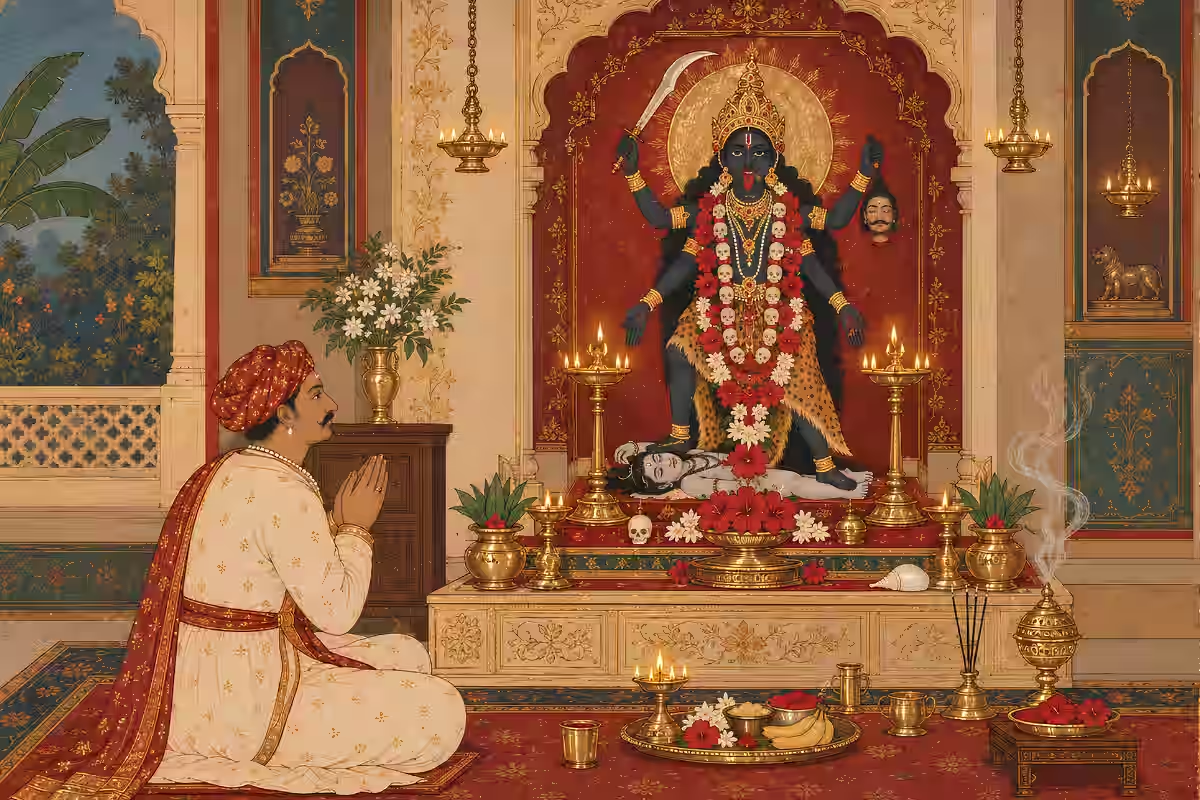
A yantra looks like a geometric shape. Why is it glorified so much?
To understand its importance, let us take a daily example. When we want to get to a destination, a physical map gives us a fair estimate through the lines, signs and symbols.
Likewise, the spiritual world and form of Devi too is conceived in shapes in the form of a yantra. It is the visual map of Devi Kali’s realm and is also considered Her subtle body. Worshipping the Kali Yantra is akin to worshiping the deity Herself.
The deity by Herself is not visible to our naked eyes. Let us compare this to a situation with a friend who lives overseas. The friend too is not visible to us.

How is it possible to communicate with a friend? There are three ways through which this is possible. When you are alone, you can feel his presence though:
- Speech: We can communicate via sound through a phone call to experience their connection
- Sight: Although direct presence is not possible, we can see another person through a video conference.
- Remembrance: Simply by remembering the friend we can temporarily experience as if we are near them.
Kali devi too is a living deity. So, there are three ways in which She can be realized. All three are important. They are Mantra (hearing Her), yantra (seeing Her) and Dhyana (remembering Her).
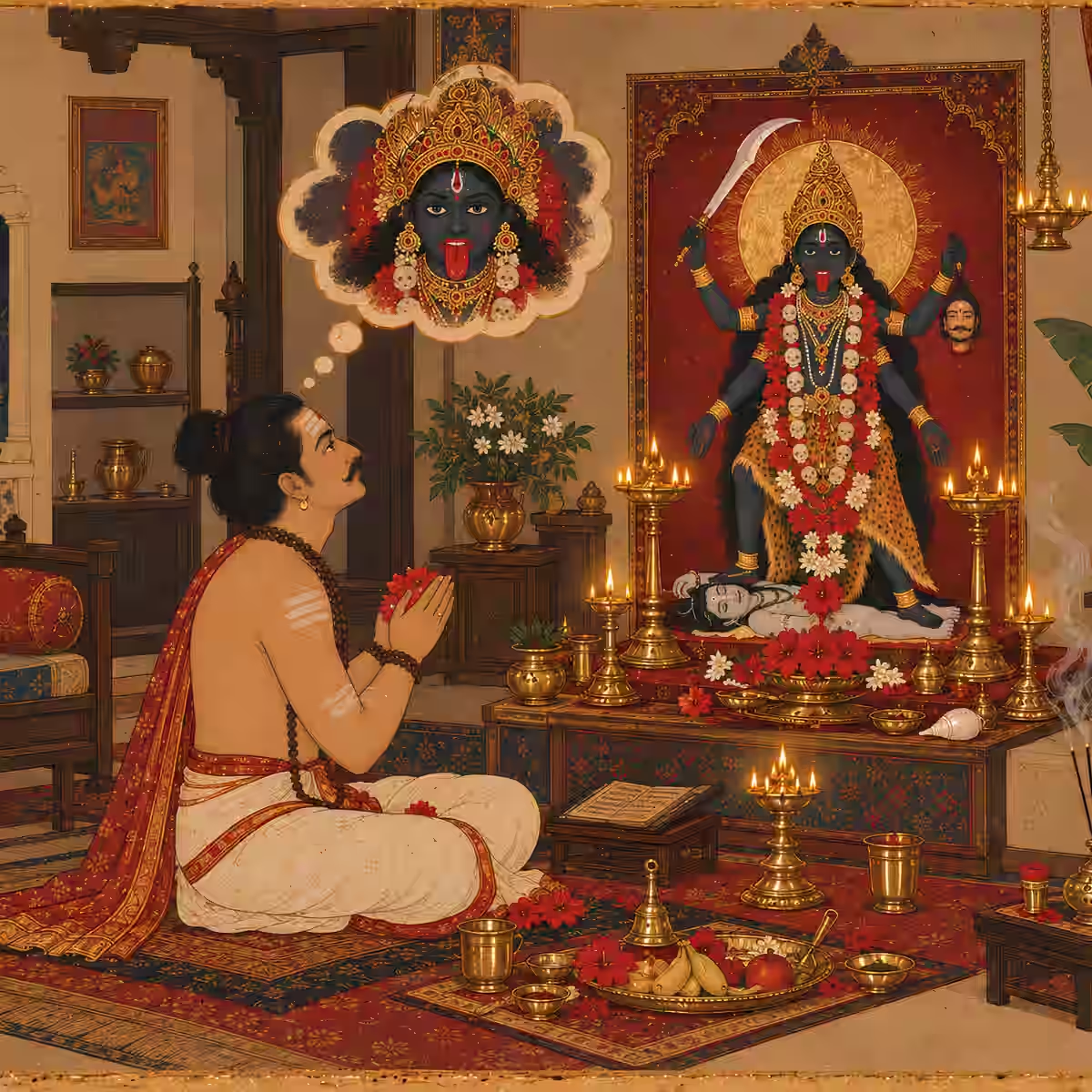
One without the other gives us an incomplete experience of reality. Tantra uses all the three means to make our connection with Divinity more lively.
Simply chanting mantras may be effective, but combined with Yantra worship it becomes even more effective, akin to both seeing and talking to another person. This conviction is further supported in the eleventh chapter of the Niruttara tantra:
यन्त्र-पूजा-कृतो मन्त्री न स योनौ प्रजायते । यन्त्र-पूजां विना देवि न शक्ति-पूजनं चरेत् ॥
Meaning: “A person who chants mantra and also does yantra puja, is not subject to rebirth. O Devī! One should not worship Śakti without Yantra Pūjā.
Spiritual Significance of Maa Kali Avarana Puja
The yantra avarana puja deepens our understanding of Ma Kali’s shaktis. At the beginning, one may know a yantra only in terms of triangles, circles and lotus petals. However, with regular practice, you start recognizing where each shakti is actually positioned. It is a means of acquainting our subtle bodies with the realm and larger family (parivar) of Devi.
Can Maa Kali Yantra Avarana Puja Be Performed at Home?
The Kali Yantra Avarana puja we provide is completely safe to perform for householders. Unlike Vama Marga practices, the worship uses pushpa, gandha and satvik items for Ma Kali sadhana.
Some devotees want to deepen their connection and understanding of the shaktis associated with Ma Kali. Yantrachants.com offers the Energized Mahakali yantra along with the scripturally derived Yantra avarana puja to interested seekers.

Rohini Devi Dasi
Rohini Devi Dasi