
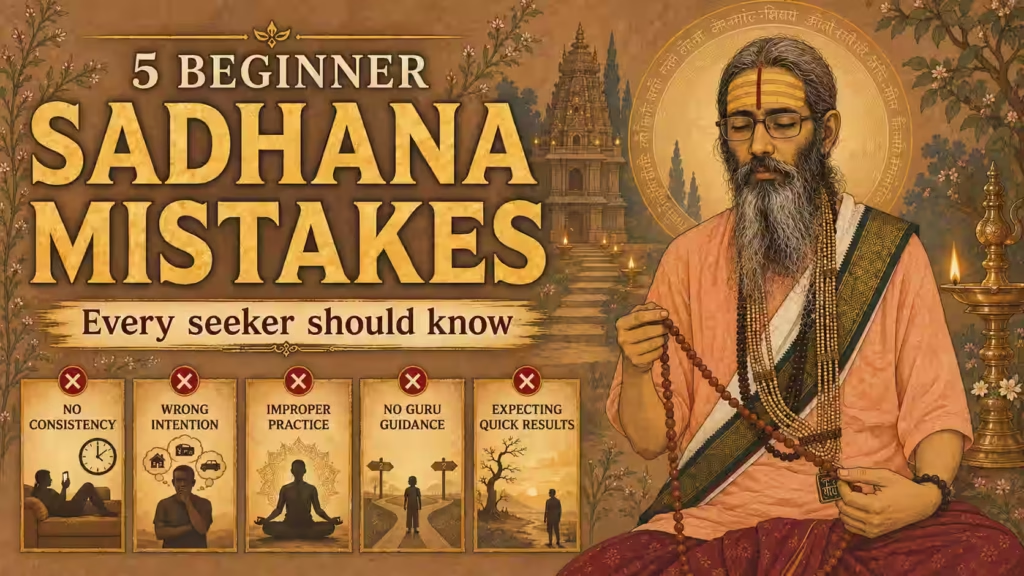
5 Mistakes People Make When Starting a Sadhana
Discover 5 common mistakes in Sadhana, from material expectations to Siddhis, and how sincere practice leads toward surrender and grace.
Discover 5 common mistakes in Sadhana, from material expectations to Siddhis, and how sincere practice leads toward surrender and grace.
Spiritual grounding is inner stability, not emotional upliftment. True depth begins with steadiness, containment and inner order.
Spiritual Grounding: The Path to Inner Stability Read More »
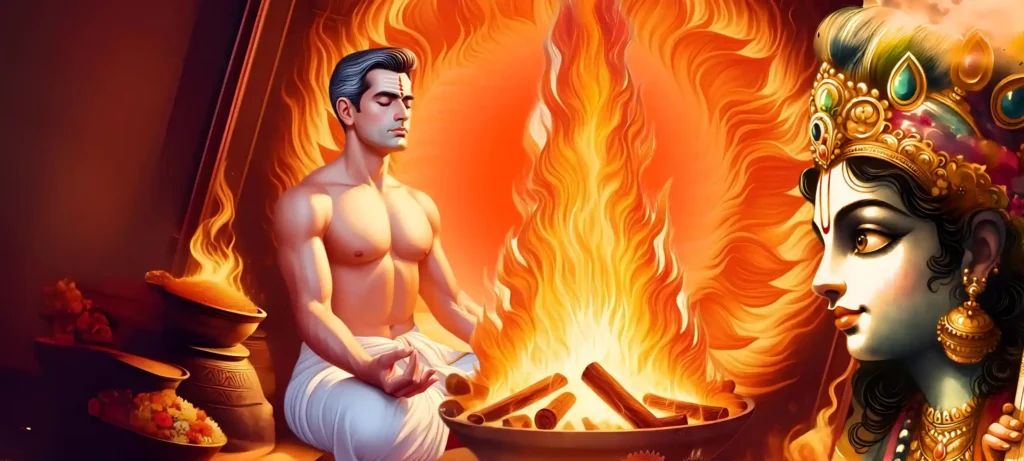
Uparati, the third treasure in the Shad Sampat, teaches genuine inner withdrawal from worldly attachments and desires, focusing on mental renunciation rather than physical. By mastering Sama, Dama, and Vairagya, a sadhaka can cultivate Uparati to focus on spiritual upliftment.
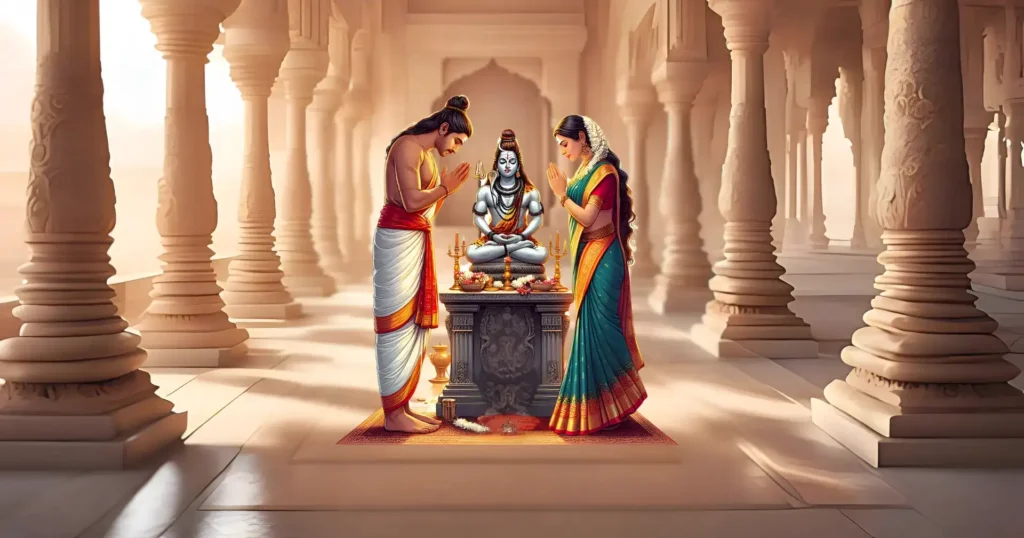
Vairagya can be applied while living in a family or Grihasthashram, as seen in the examples of saints like Sri Ramakrishna Paramahamsa and Sri Arjunacharya, emphasizing spiritual detachment and the pursuit of Moksha. True renunciation is not about abandoning family but maintaining inner detachment while fulfilling responsibilities.

In this post, we explore Vairagya, the practice of detachment, as explained in the Bhagavad Gita, and how it can be applied to modern life with practical examples. Through Guru’s guidance, Vairagya helps transcend material attachments and achieve spiritual growth.
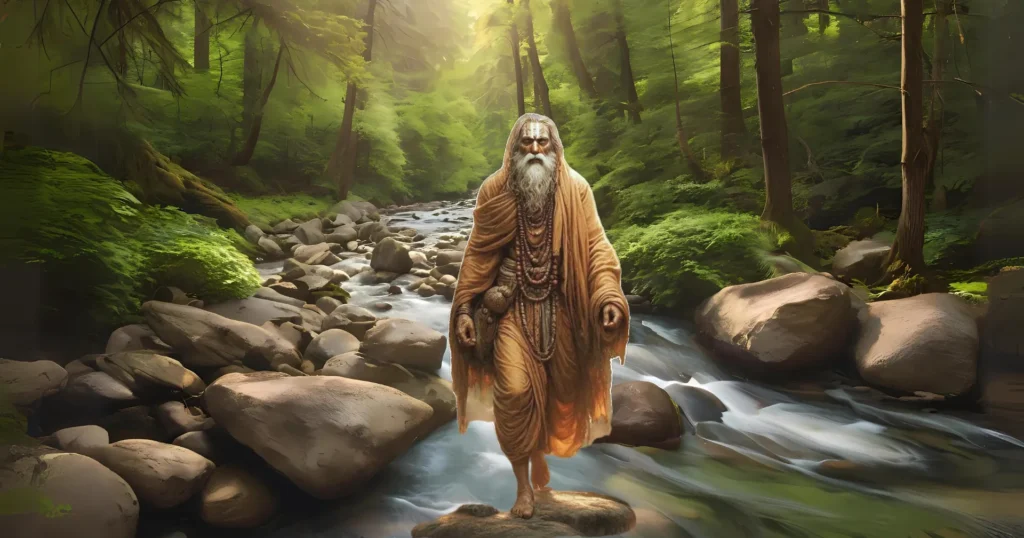
Spirituality calls for the transition from Prakriti to Sanskriti, seeking perfection through Viveka (discrimination) and Vairagya (detachment). The 4-fold discipline, Sadhana Chatushtaya, aids in achieving the ultimate goal of Brahman realization.
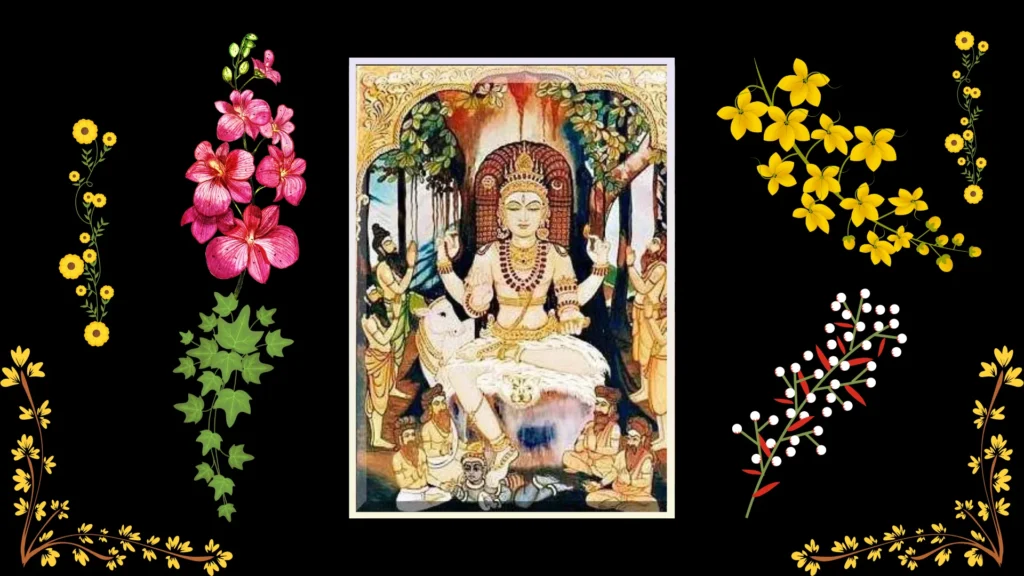
The Dakshinamurthy Stotram, composed by Adi Shankaracharya, venerates Lord Shiva as the Supreme Guru, dispelling ignorance and granting self-realization. Chanting this stotram fosters inner bliss, peace, and wisdom, paving the path for liberation.

Madhwacharya emphasizes that true God-realization begins with developing Vairagya, a natural detachment from worldly life. Through Bhakti and ethical living, one ascends to the eternal presence of Vishnu, gaining spiritual bliss.

Moksha, Mukti, Sanatana Dharma, liberation, Karma Mukti, Jivan Mukti, Videha Mukti, spiritual freedom, Ishta Devata, Vairagya, Bhakti, self-realization.