
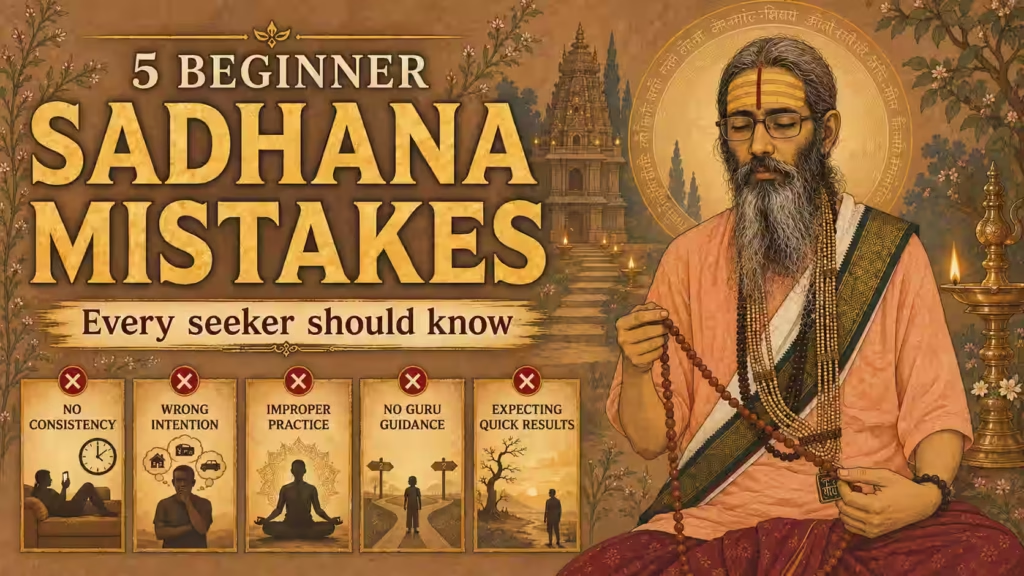
5 Mistakes People Make When Starting a Sadhana
Discover 5 common mistakes in Sadhana, from material expectations to Siddhis, and how sincere practice leads toward surrender and grace.
Discover 5 common mistakes in Sadhana, from material expectations to Siddhis, and how sincere practice leads toward surrender and grace.

This blog explores the profound significance of cows in Hinduism, detailing their roles in spiritual traditions and society. It also sheds light on the overlooked plight of bulls like Bhola, emphasizing the urgent need for compassion and support in preserving these revered animals today.
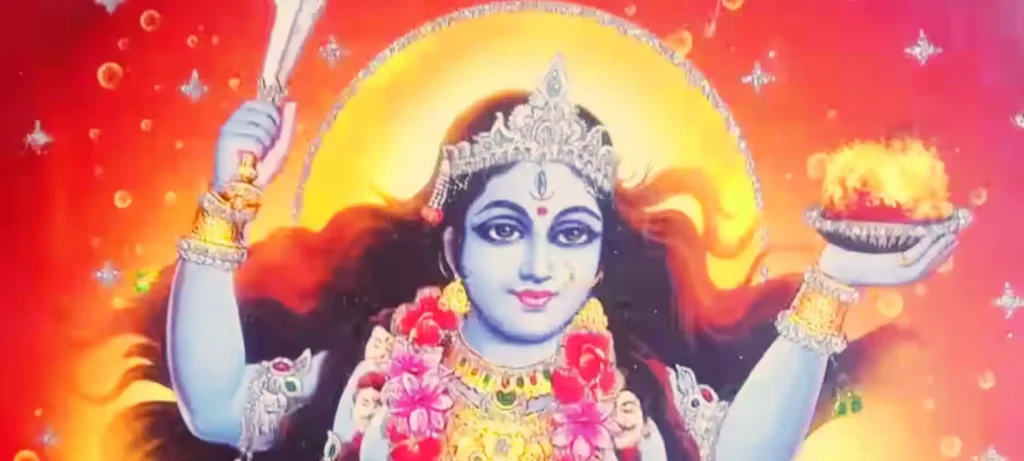
Understand Kali Sadhana rules, risks, and safe guidance, with how the Mahakali Yantra supports protection, discipline, and sincere Devi worship.
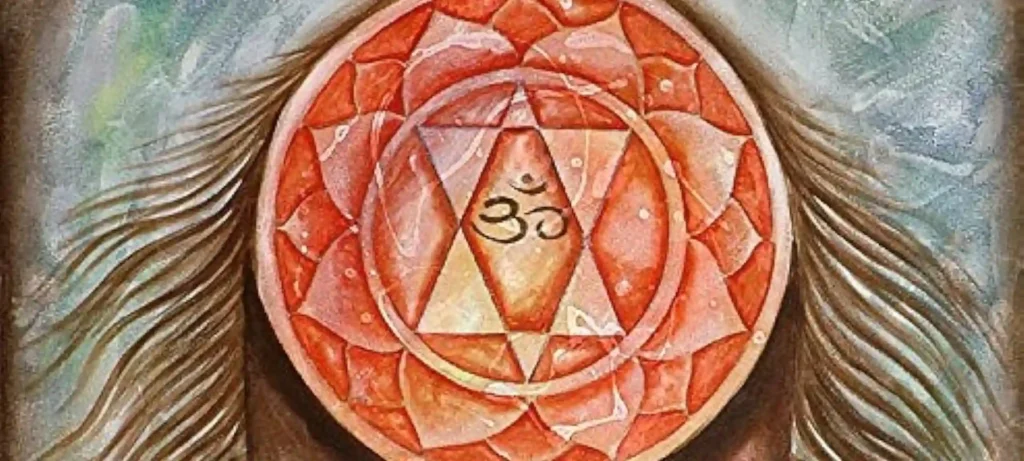
Tantric Sadhana and Vedic Sadhana represent two distinct spiritual paths—one seeking material and mystical attainments, the other striving for divine grace. While many are drawn to Tantrika Sadhana for its promises of power and rapid results, it requires strict adherence to rituals and the guidance of a realized guru to avoid adverse effects. In contrast, Vedic or Daiviya Sadhana, practiced through devotion, love, and auspicious offerings, is considered the safer and more spiritually uplifting path. This article explores the differences between Vama Marga (Left-Hand Path) and Dakshina Marga (Right-Hand Path), their impact on practitioners, and why Daiviya Sadhana is regarded as the ultimate means to liberation.

Siddhis, or spiritual powers, are often regarded as milestones in the path of sadhana. While they grant extraordinary abilities—such as heightened intuition, manifestation, and clairvoyance—they also come with hidden dangers. Envy, social skepticism, and even exploitation can accompany the use of Siddhis. Should one use these powers for social welfare, or are they best kept hidden? This article explores the profound pros and cons of Siddhis, offering real-life examples and insights into the spiritual path.
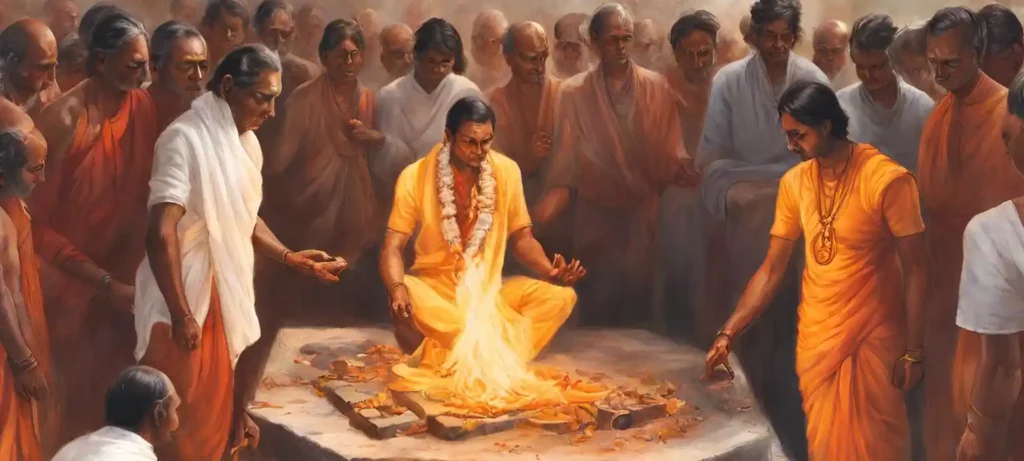
Mantras are not just syllables strung together but sacred vibrations with immense spiritual potency. The power of a mantra depends on its origin, transmission, and the devotion with which it is chanted. Vedic mantras, revealed to sages through divine vision, exist eternally in the cosmic realm, while Tantric mantras are powerful tools for specific material and spiritual attainments. This article explores the four key components of a mantra—Sage, Syllable, Deity, and Kilakam—along with the differences between Vedic and Tantric mantras. Understanding the science behind mantra chanting can help unlock its full potential for liberation and success.