
Introduction
Om Namo Bhagavate Rudraya is a safe mantra for Shiva Bhaktas. It is a multipurpose mantra having benefits ranging from protection in daily life to attracting Lord Shiva’s mercy. It is suitable for those who have a heavy mind and feel cornered by life situations.
Work continues to demand our attention, and people at home may look towards us for strength even when we struggle within ourselves. At such times, ordinary advice may help only up to a point.
So, it becomes important to remember Bhagawan when all our actions are triggered by either fear or agitation. The Om Namo Bhagavate Rudraya Mantra is a means to call out to Sri Rudra. He is Lord Shiva’s form who brings intense purification in the chanter. He also protects the person. With regular practice of this mantra the person develops the strength to face life and steadfast conduct.
While the mantra works at the subtle levels, the Shri Rudra Yantra supports this practice by becoming the object of attention.
Why a Seeker Turns to Sri Rudra
A sincere person does not always struggle because he lacks knowledge. Often, he knows what he should do, yet the heart fails to support him at the right moment.
Right decisions get delayed. Conversation turns sharper than intended. Worry enters the mind before anything has actually gone wrong. Later, we remain regretful of how things shaped up.
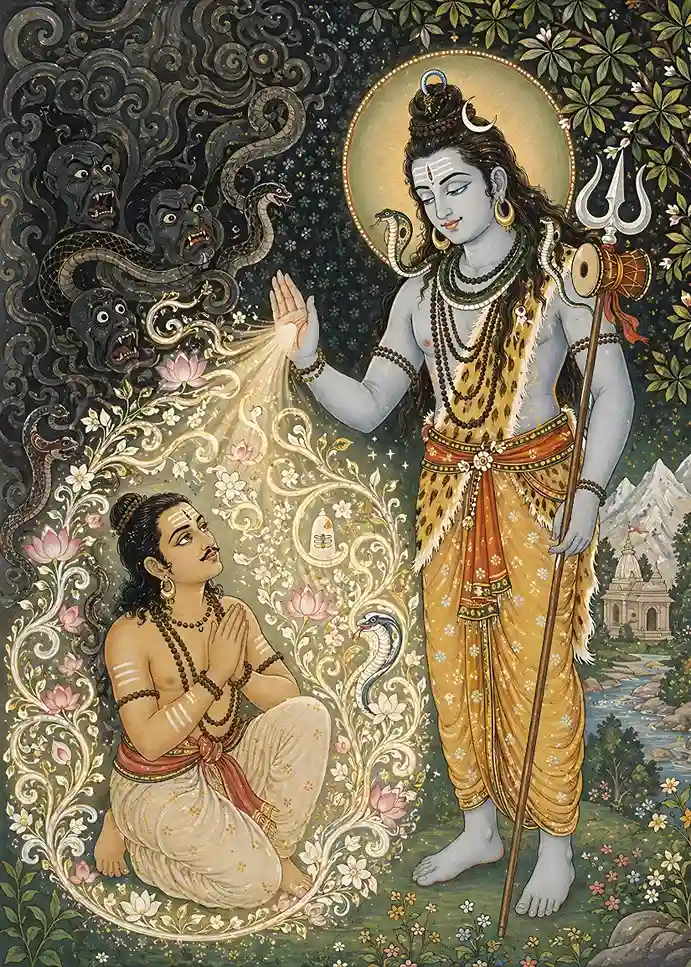
Life places a person in many stressful situations where the mind pushes him toward the wrong choice. A seeker turns to Sri Rudra when he wants to cut through this inner weakness. Sri Rudra’s grace transforms deep-seated fear into calmness.
Sri Rudra Is Fierce, Yet Deeply Kind
Many people hear the name Sri Rudra and think only of fierceness, destruction, or intense spiritual force. Such a view misses the tenderness hidden in Lord Shiva’s nature.
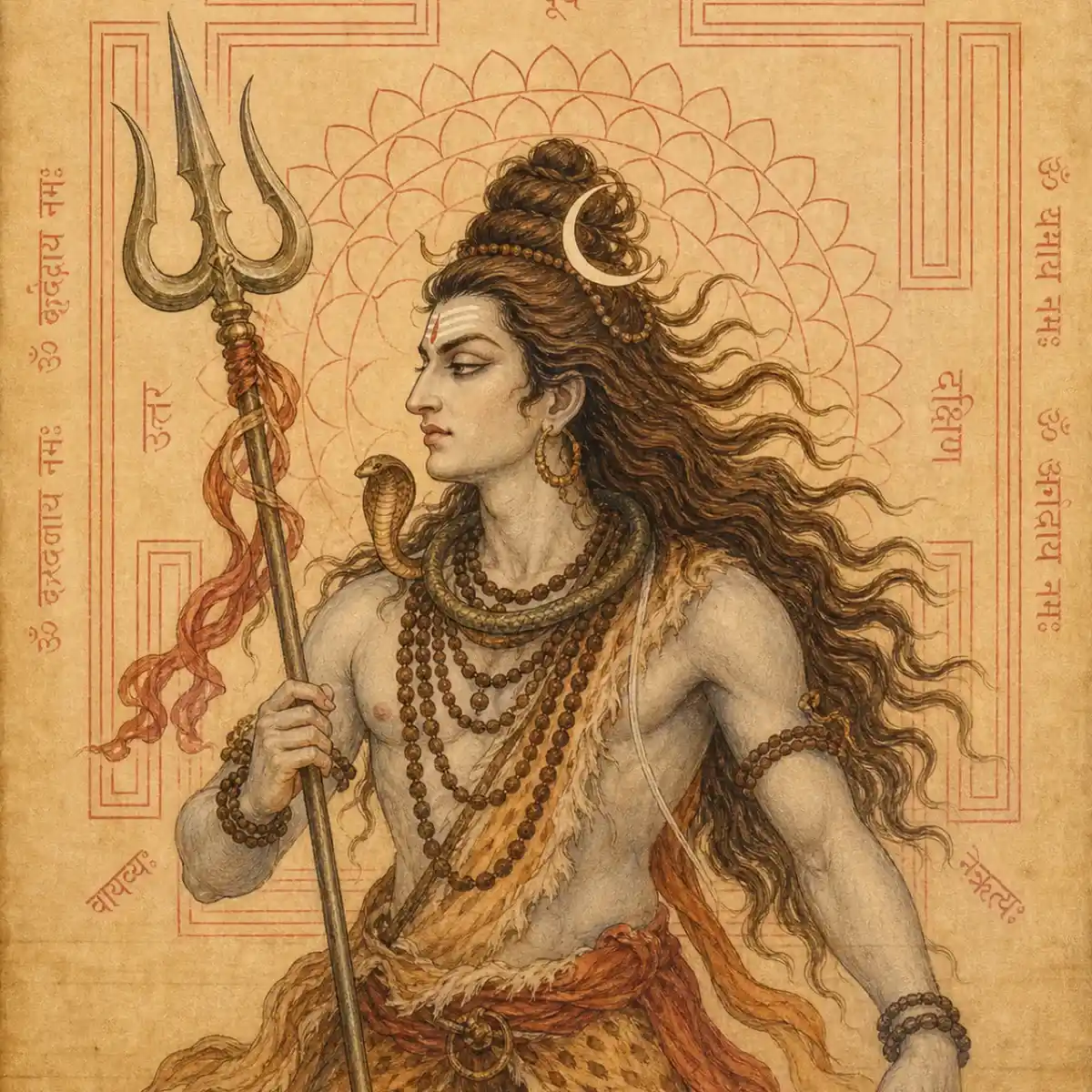
Sri Rudra is another aspect of Lord Shiva. He burns impurity, falsehood, ego, cruelty, and inner darkness. Toward a sincere seeker, Lord Shiva shows great kindness and nearness.
His grace is unparalleled as he graces even the demons.
Shastras often describe Lord Shiva as easily moved by devotion. Devotees call Him Ashutosh, the one who becomes pleased quickly by sincere prayer. Such descriptions show that Lord Shiva looks at the honesty of the heart more than outward display. He looks at the effort and not the size or grandeur of the practice.
No person has to arrive before Lord Shiva as a perfect being. Lord Shiva accepts anyone who is sincere despite their past mistakes. The compassionate Lord does not look at the age or strength of the person.
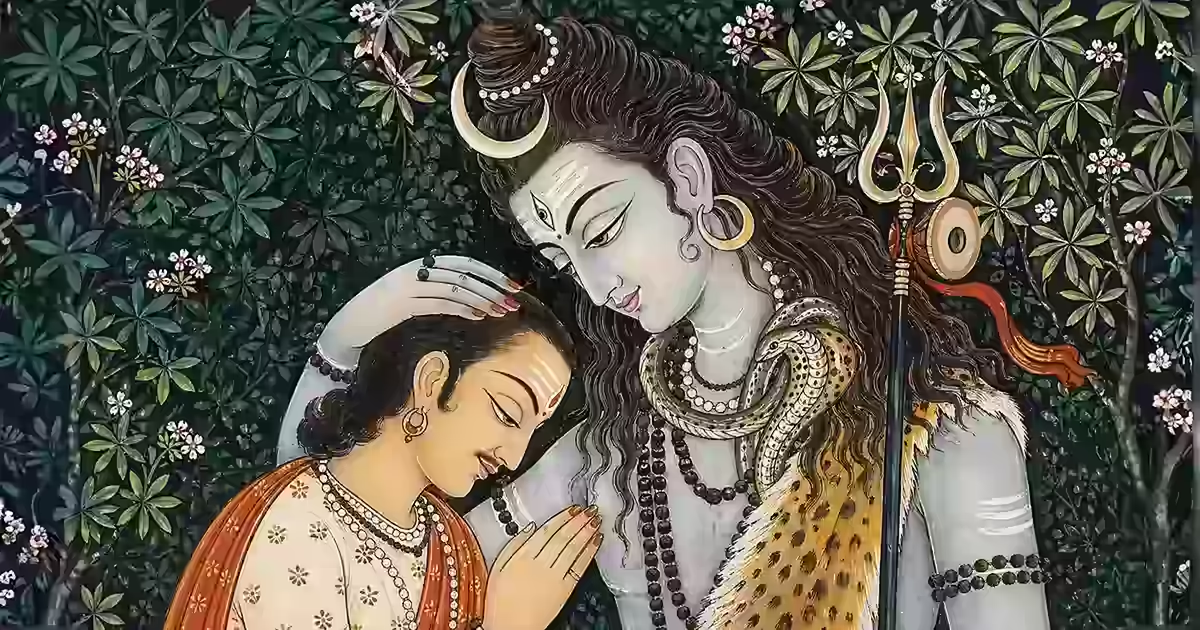
The Shiva Mahapurana carries many examples revealing the tender side of Bhagawan Shiva. The young boy Upamanyu was made the head of the Ganas owing to his devotion and austerities.
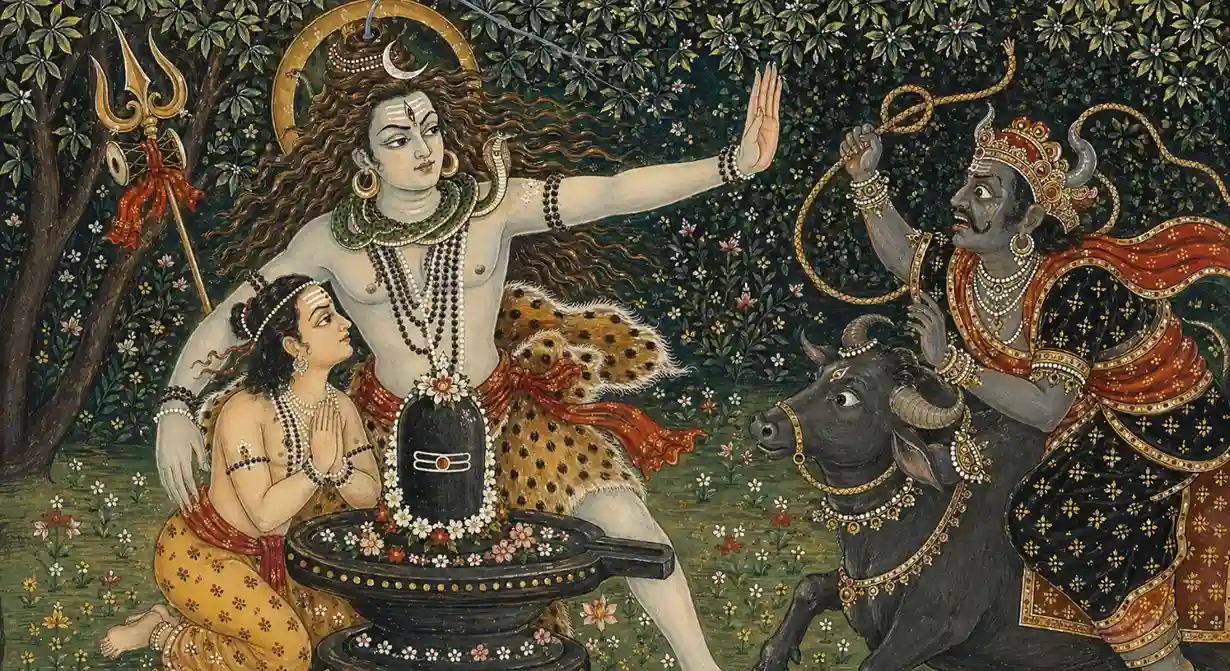
Similarly, Lord Shiva defeated Yamaraja, the personification of Death to protect his dear devotee Sri Markandeya
Meaning of the Mantra
Om Namo Bhagavate Rudraya means bowing down to Sri Rudra, who embodies the purifying and fierce aspects of Lord Shiva.
This mantra emphasises on surrender. Chant in the mood of surrender. Pray to the Lord for the ability to completely surrender.
Through the mantra, the heart bows before a higher power called Rudra.
While chanting, the seeker offers his confusion and mind’s burden before Sri Rudra. In this prayer, the seeker says, “May I always have the strength to do the right (Dharma). May my conduct become cleaner, and may Sri Rudra guide me toward truth.”
How This Mantra Helps in Daily Life
A disturbed mind struggles to hold wisdom through its quick reactions. One harsh word leads to another. A fearful thought creates many more. One careless decision can become the beginning of a larger burden.
Om Namo Bhagavate Rudraya gives the mind a safe return point. When fear rises again despite repeated effort, the mantra draws the mind gradually to Sri Rudra with practice.
Before we burst out in anger, the mantra pauses our mind before saying harsh words.
A person may still have the same life, but his perception changes because of his new way of responding. This change comes with consistent practice. Gradually meturity sets it. The person begins to interpret and deal with things differently.
Earlier, pressure may have pushed him into reaction. Now, a pause begins to appear. The mantra japa practice gives the strength to reflect.
What Slowly Changes Through This Mantra
With steady practice, the changes usually arrive quietly. The outer duties may remain the same, but the seeker begins to respond with more care, steadiness, and inner strength.
1. Speech Becomes More Refined
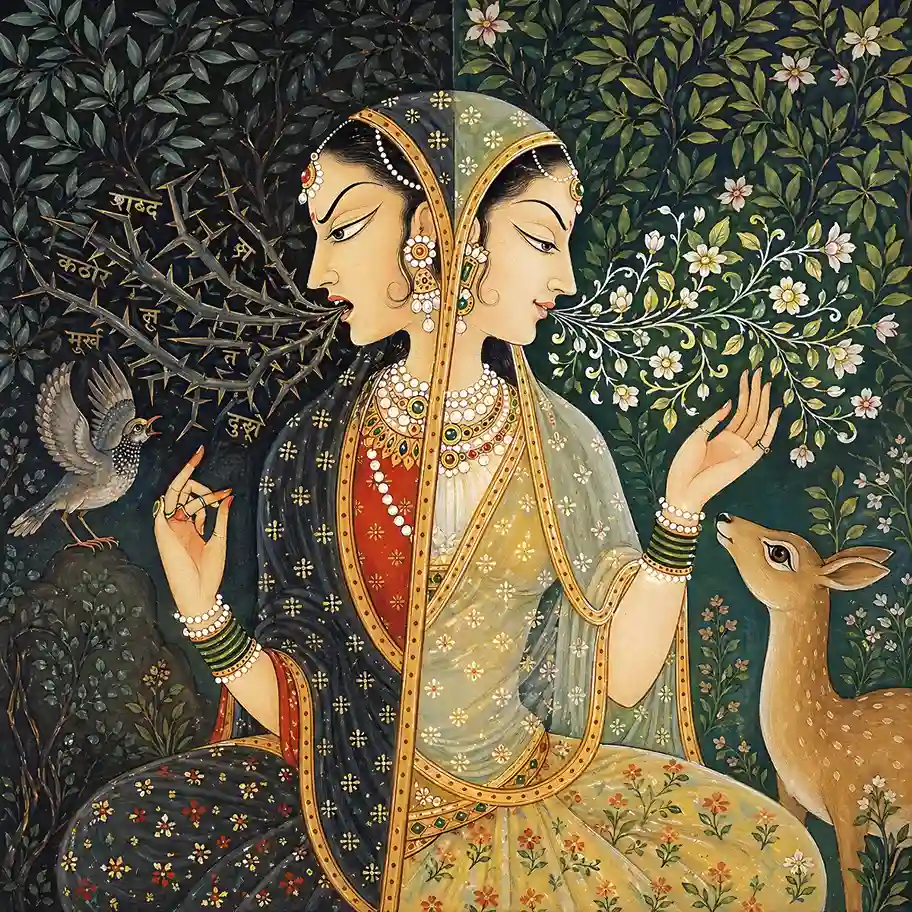
The first change often appears in speech. A person becomes more careful before hurting someone with words. Irritation may still arise, but he begins to notice it before it becomes action.
2. Observing Instead of Reacting
When distubances come, the mind learns to unclutch. If at all there is a subtle interaction with the event or person causing the disturbance, the mantra practice ensures that the agitation is short lived. It gives the ability to observe the emotions and thoughts without identifying with them
3. Courage Becomes Grounded
The seeker becomes more equipped to face truth instead of avoiding it. Some decisions require some grit. The mantra helps develop that firmness.
4. Daily Life Becomes More Steady
Life puts forth many challenges where our mind either shuts down or becomes reactive. Though we may perform our duties, there is a lot of inner turmoil that prevents us from applying ourselves completely.
For example: If someone spoke rudely to us and then genuinely seeks pardon. We may superficially forgive but internally we feel disturbed. So, forgiveness has not come from the heart.
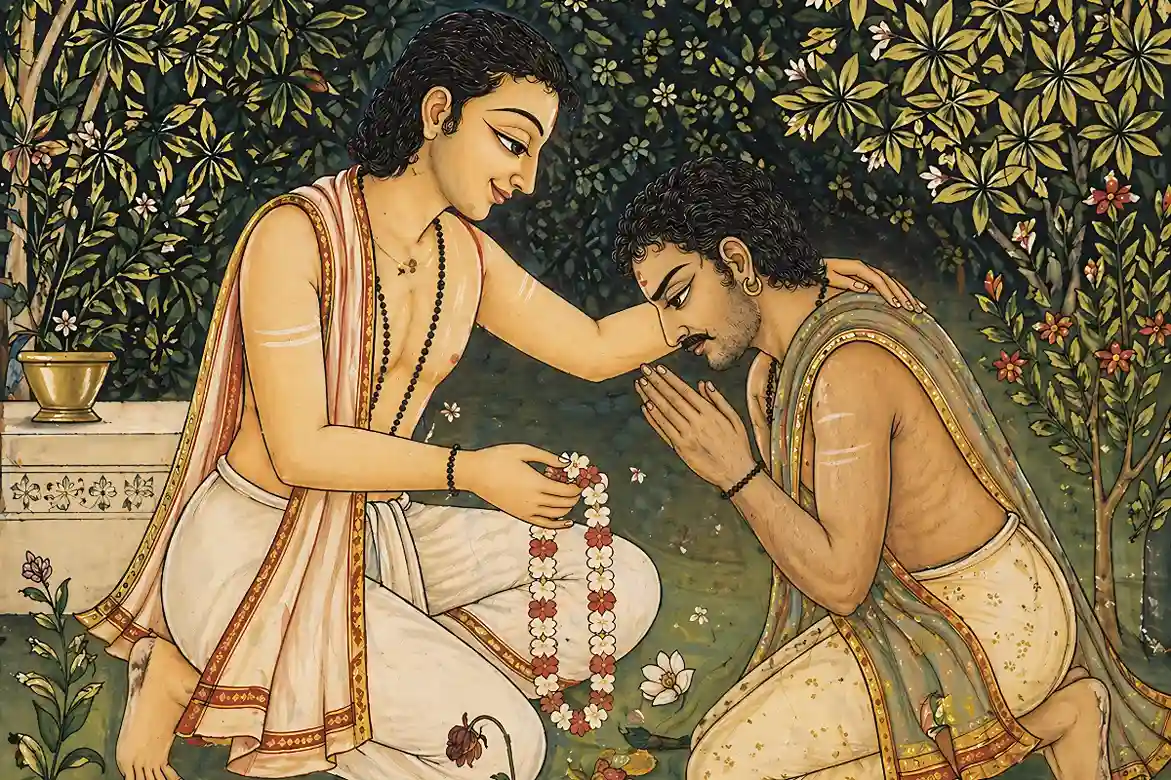
The person who erred is now free from guilt. But, the agitation sticks to our mind. To reach to this state, it is important for the mind to be absorbed in the Mantra and Deity.
Focusing while chanting
Many seekers struggle to sit for japa because daily concerns keep returning to their mind. Although one appears to be chanting, the mind has gone far away from it, towards problems and desires. Eyes wander toward the room and thoughts move toward unfinished work.
So, the dilemma is that the heart wants to pray but attention does not remain steady.
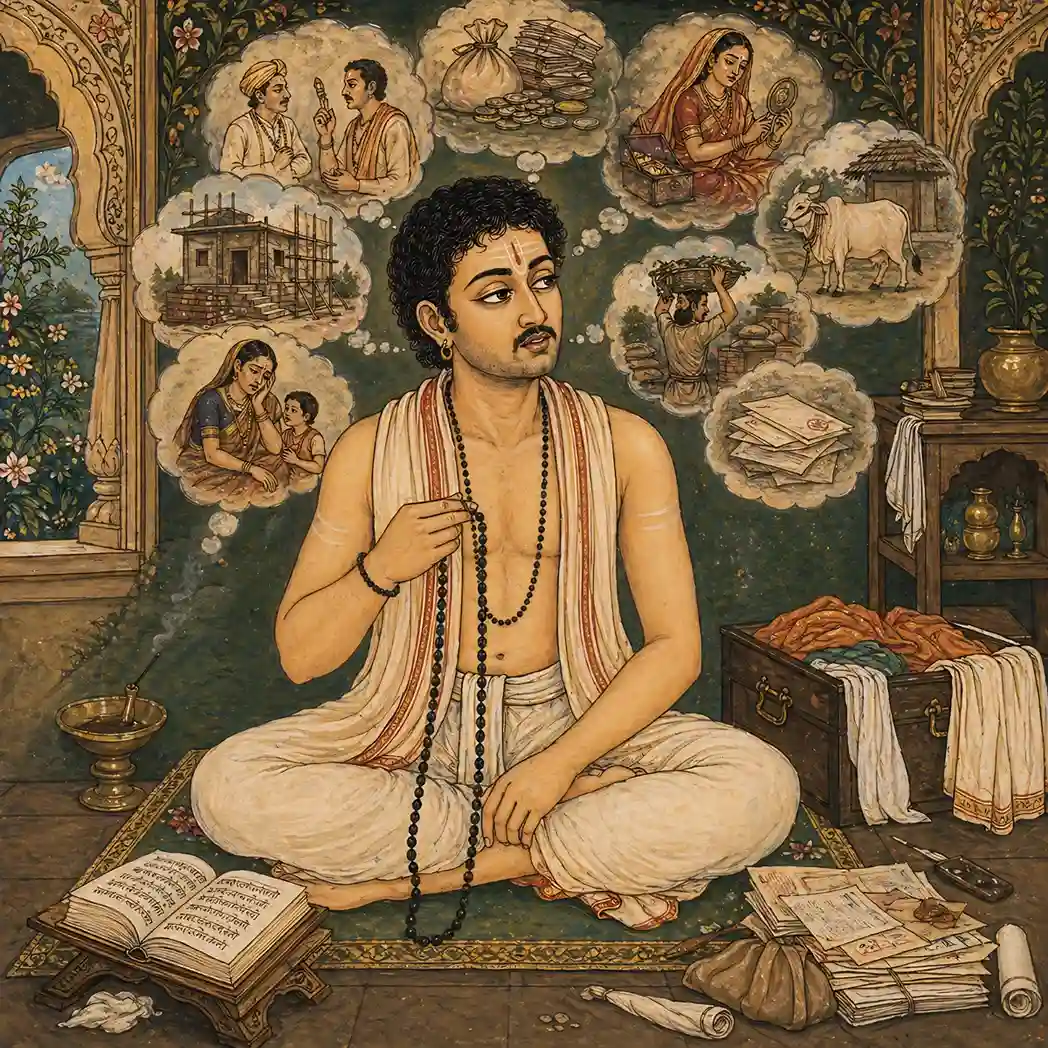
Why the Mind Benefits from a Focal Point
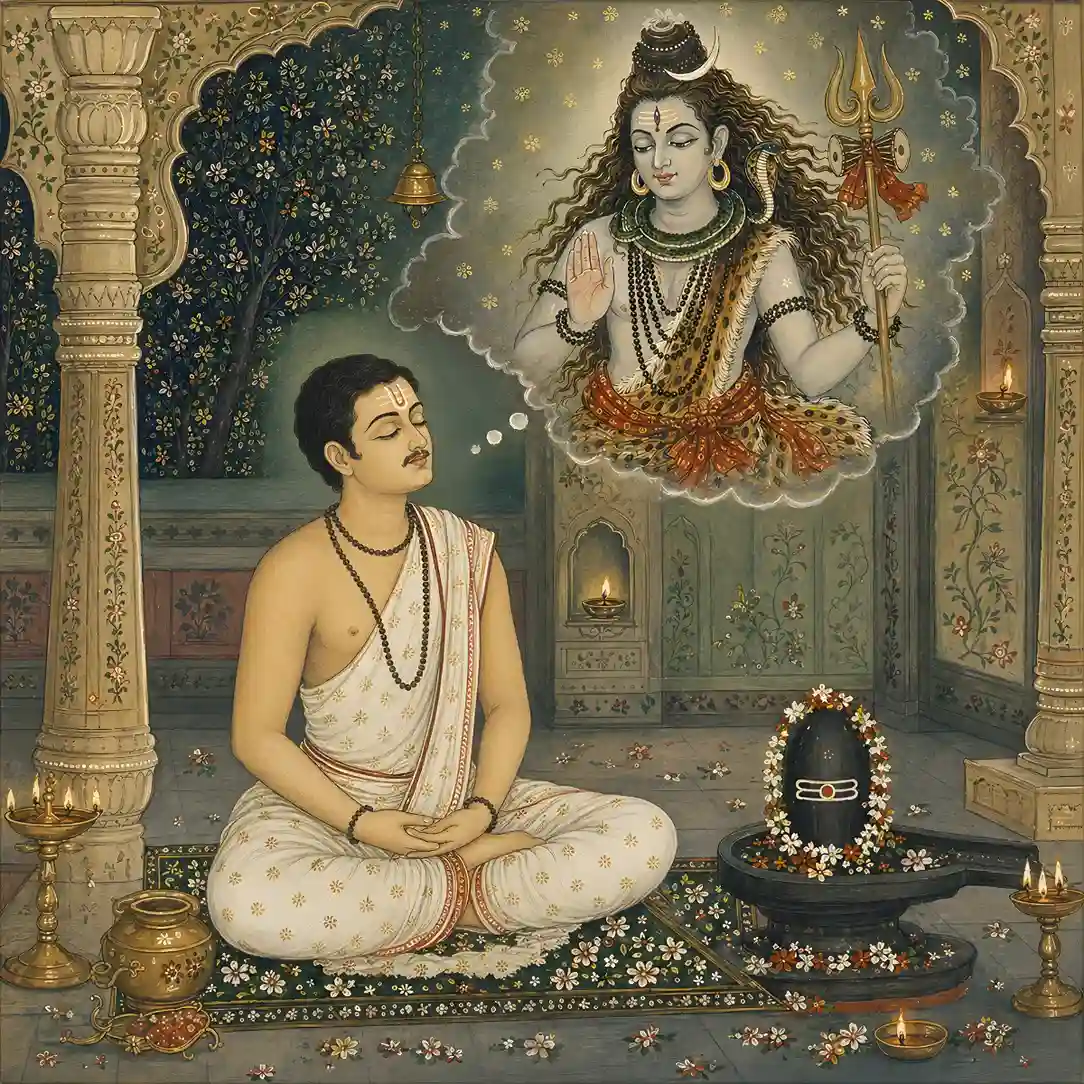
In traditional practice, the mind often struggles with ‘visual wandering’. Even when the eyes are closed, internal images create distraction. So, the Rudra Yantra serves as a sacred point of return especially for Rudra or Shiva Mantra Japa routines.
By practicing Trataka on the Bindu the seeker creates a circuit between the sound (mantra) and form (yantra). This alignment helps quiet the inner noise that usually interrupts prayer.
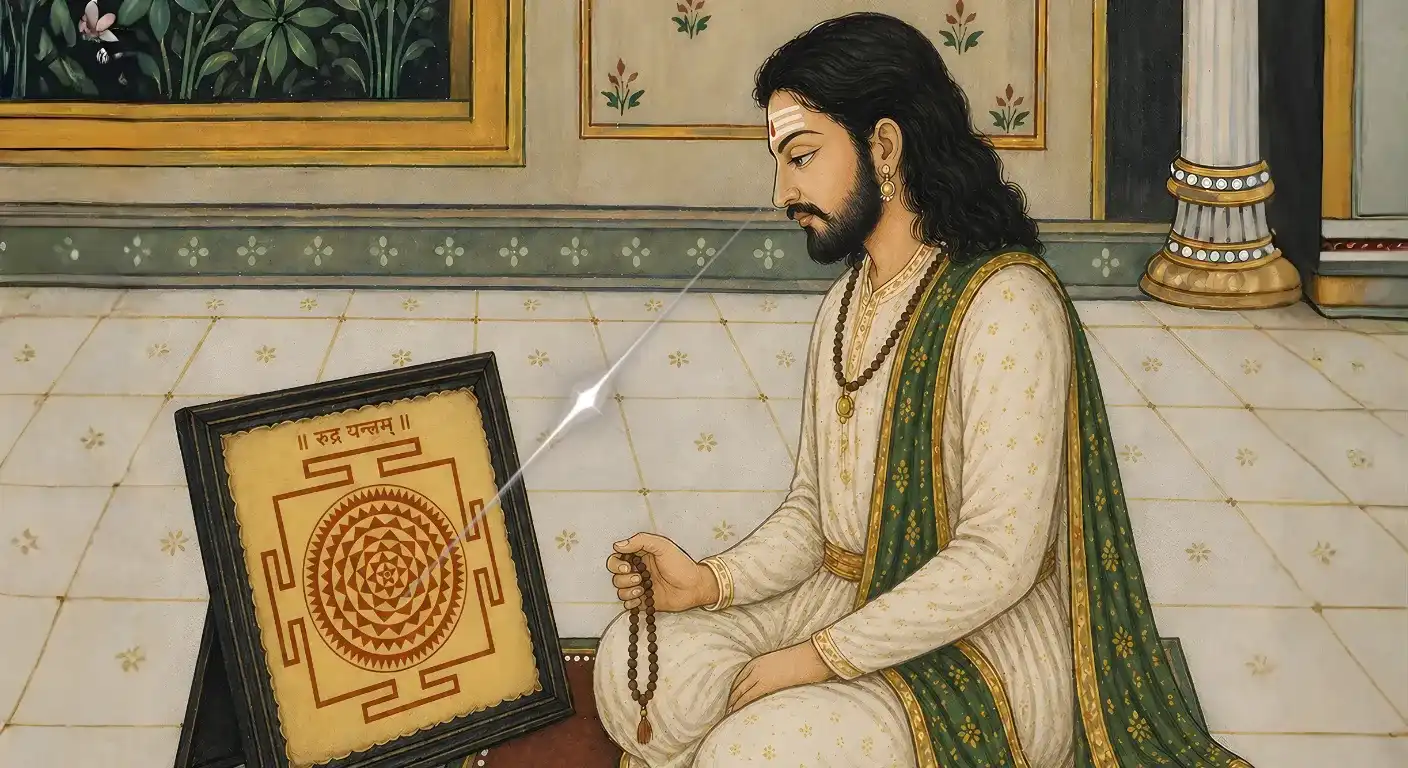
At YantraChants.com, the Rudra Yantra is approached as a sacred support for remembering Sri Rudra with attention and reverence. The heart should learn to sit before Lord Shiva with reverence and therefore the Yantra becomes useful.
So, the Rudra Mantra and Yantra complement eachother for effective chanting.
How the Rudra Yantra Supports This Mantra Practice
A Rudra Yantra becomes a point of return and gives the mind a form through which the seeker remembers Sri Rudra with more attention. This is not an ordinary diagram. It is the geometric representation of Lord Rudra and is therefore revered for its power.
We prepare the Sri Rudra Yantra for seekers who want their Rudra Mantra japa to become more focused, devotional, and steady. Moreover, worshipping the Shri Rudra Yantra at home has some benefits that aid in sadhana.
Shri Rudra Yantra
- Protection from Negative Energies
- Inner Strength and Fearlessness
- Awareness During Anger and Emotional Control
- Peace and Shiva Consciousness
- Energized with Birth Details During Brahma Muhurtha
- Size- 5x7 inches
- Detailed PDF that guides through the Installation Process, Worship and Mantra
Small Chanting Process for Namo Bhagavate Rudraya
- Choose a clean and quiet place. Face east or north if possible. If the direction does not work out, choose any isolated and positive space for your mantra sadhana.
You can sit on a woolen or kushasana and use an Authentic Rudraksha Mala for chanting over 108 times. - A traditional starting point is 11 repetitions daily to allow the mind to acclimate to the vibration. Once the mind becomes comfortable with the practice, the count may increase to 21. Someone with a stable routine may chant 54 times or one mala.
- Avoid increasing the count without prior practice. Increase gradually only after becoming comfortable with a lower number of counts.
- Practice done in panic rarely gives peace. Chant audibly or repeat mentally as per your convenience.
- You may close with this simple prayer: “Oh Lord, be a Witness and Guide me in all my actions. Clean my heart so that You can reside there always”
A Safe Path for Those Drawn to Shiva Sadhana
Some seekers naturally feel drawn to deeper forms of Lord Shiva worship.
This attraction has a basis because Lord Shiva has many forms, and each form carries its own spiritual mood. Gentle forms invite devotion and softness. Fierce forms carry protective power. Certain streams of worship require discipline, purity, initiation, and guidance.
When life feels difficult, a common man should approach Shiva sadhana with devotion instead of rushing toward intense methods.
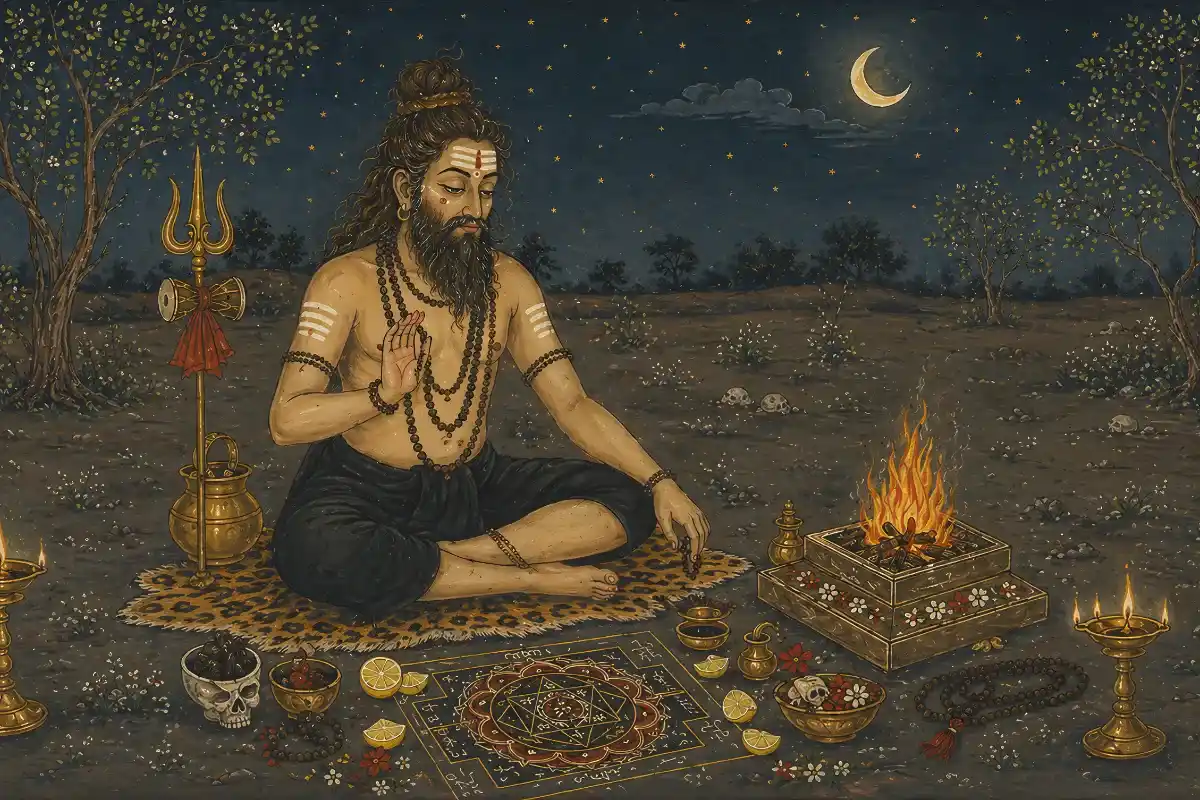
Devotion is the safest path throughout. This mantra connects us with Bhagawan Shiva.
When a practice becomes deeper and more demanding the seeker should proceed under the benign care of a spiritual master. A Rudra Yantra can become a good aid in this journey.
It helps inculcate Shiva Bhakti and supports the seeker who wants to remember Lord Shiva in a loving and disciplined way. For many, this becomes a safer and more balanced alternative to attempting classical Tantrik Sadhana of Bhairava and other forms of Lord Shiva, without proper preparation or guidance.
Over the years, YantraChants.com has seen many sincere seekers feel supported after taking up Shiva Sadhana with the Rudra Yantra as an aid. In our Chakra Assessment Readings, many seekers report deeper devotional focus through Shiva Mantra Sadhana, while the Energized Bhoj Patra Rudra Yantra helps them sit with more patience and feel more connected during japa.
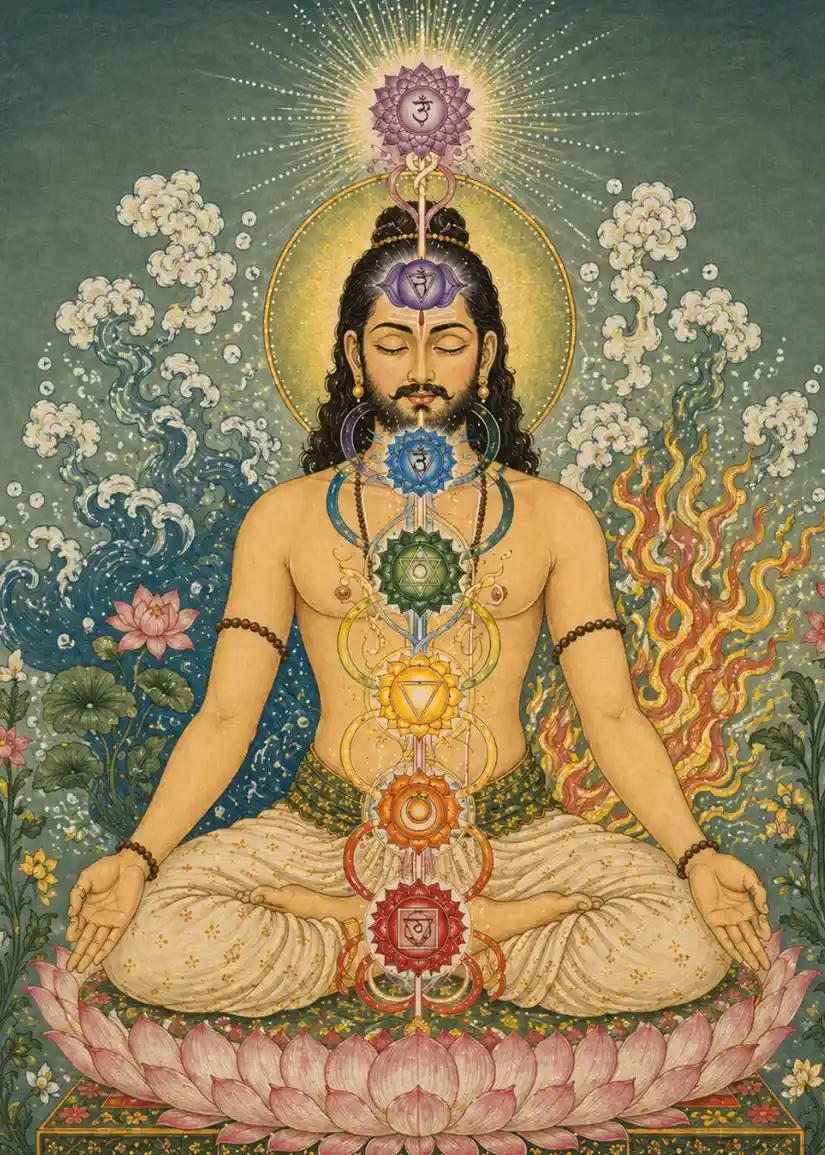
These highlight devotion, guidance, and steady practice. They are not general standards or benchmarks but individual experiences that vary based on their personal faith and inclination towards Sri Rudra.
The Right Mood While Approaching This Practice
Adopt Humility as the primary mood throughout. Only then does Om Namo Bhagavate Rudraya Mantra becomes a regular practice. Avoid the mood of fixing things quickly. Dedicate your mind fully to the process, not the results.
A seeker should not approach Sri Rudra only to bend life toward personal desire. The mantra cultivates unwavering inner strength to meet life with sound judgment.
A person must still act wisely. When practical advice becomes necessary, he should take it. If a matter concerns health, law, business, money, or mental well-being, proper guidance should continue alongside spiritual practice.
Consistent mantra practice cultivates inner strength, supporting your ability to navigate life’s challenges A similar mood applies to the Rudra Yantra too.
Begin slowly and keep the practice consistent. It becomes deep when done with respect. Over time, the heart opens to Shri Rudra’s grace.

Viraja Devi Dasi

Rohini Devi Dasi