

Gita: How is War Dharma and not Violence?
The Gita says, A Kshatriya can kill only if the intention is to attain harmony. Therefore, he has the right to fight for righteous causes. Then, killing becomes Dharma.
The Gita says, A Kshatriya can kill only if the intention is to attain harmony. Therefore, he has the right to fight for righteous causes. Then, killing becomes Dharma.
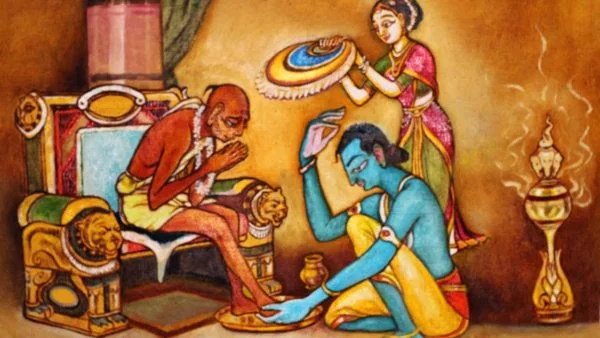
Sudama Prabhu, the Brahmin friend of Lord Krishna, lived in poverty while following strict spiritual vows. On his wife’s request, he visited Dwarka, where Krishna welcomed him with love and secretly bestowed immense wealth upon him, yet Sudama remained detached and devoted.

The story of Ajamila highlights the transformative power of chanting Lord Narayana’s name, even when uttered unconsciously. It reveals the path of redemption, the grace of sadhus, and the glory of Hari Nam.

The enchanting description of Manthara’s flower-adorned hair hides a deeper symbolism—beauty adorning distortion. Discover how Sri Rama’s childhood prank on the hunchback Manthara sparked decades of revenge, why Sri Krishna was later blamed, and the spiritual meaning behind ancient concepts like the Kopa Bhavan. A tale where divine play meets human flaws.

The Story of Apsara Urvashi is very interesting and also lays the foundation of the spread of the Dharma as theYuga transitioned from Satyuga to Treta Yuga, a subtle detitioration as time sped towards Kali Yuga.

Rani Draupadi, born from the sacred fire, was destined for greatness. Her beauty and grace were complemented by her strong will, as she became the central figure in the Pandavas’ journey, enduring trials with unwavering devotion. Her strength and compassion shone through her marriage to the five Pandavas, as she faced immense challenges with grace and dignity.
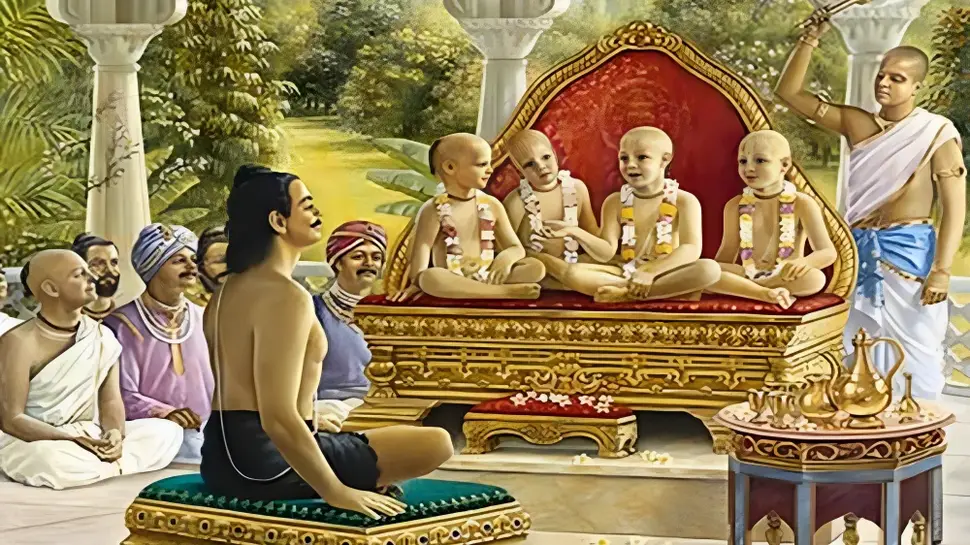
Prithu Maharaj’s story begins with the birth of his cruel ancestor Vena and continues with Prithu’s rise as a righteous king. He is known for his unwavering devotion to Lord Vishnu and his efforts to revitalize the earth during a famine. His reign introduced agriculture, just rule, and divine guidance. The tale of Prithu’s life, his encounters with gods and sages, and his ultimate retirement reveals the importance of devotion, leadership, and spiritual growth.

Bhishma Pitamah was known for his great oath and His statesmanship. Just like Vidura, he was dedicated to the throne of Hastinapura. He was a Mahajana and is considered as the epitome of Ethics
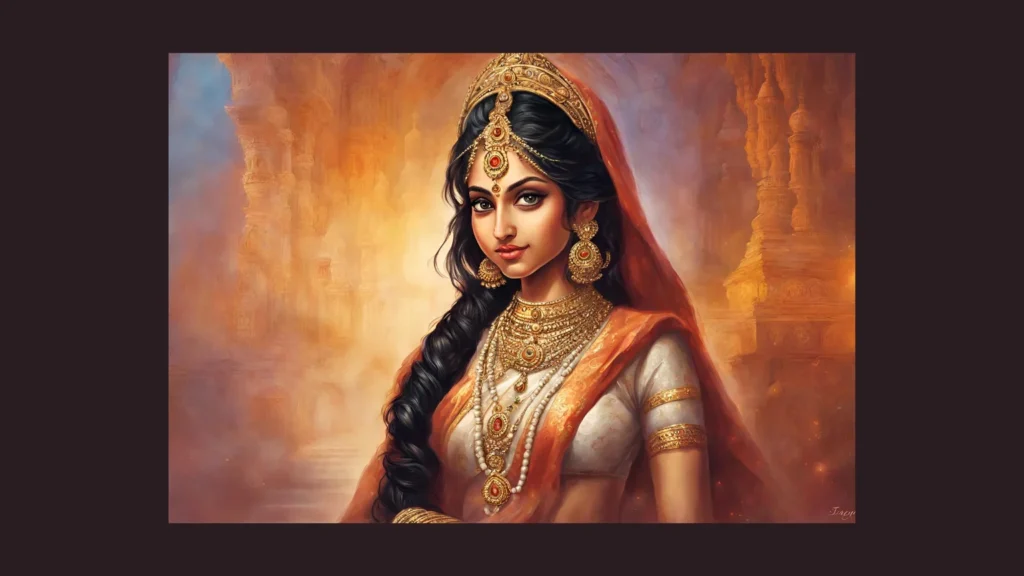
King Saryati’s daughter, Sukanya, unknowingly pricked the eyes of Sage Chyavana, leading to her destined marriage with him. Through devotion, she passed a divine test and restored her husband’s youth, setting an example of chastity and surrender.
The Kathopanishad reveals two fundamental paths in life—Shreyas (the path of truth and eternal bliss) and Preyas (the path of temporary pleasures and long-term suffering). Through the Chariot Analogy, learn how Lord Krishna’s guidance helps the soul navigate life’s journey. Discover the hidden Vedic secret that leads to God-realization, inner peace, and ultimate freedom.

The Scripture defines This is the Individual Experience. Yoga Vashishtha presupposes a direct connection of conscious unity existing through and through these three frames of reference.
Yoga Vashishtha: 3 Important Elements of Reality Read More »

The Yoga Vasistha teachings is essentially a work on the Oneness of things. It is one of the most ancient scriptures that supports wholly the Vedantic dictum “Twam Tatvamasi” .