
Vedanta Philosophy: The Great Vedic Scriptures
Uncover the depth of Vedanta philosophy through the Vedas and Upanishads. Understand Advaita, Dvaita, and other Vedanta schools in clear, simple terms.
Uncover the depth of Vedanta philosophy through the Vedas and Upanishads. Understand Advaita, Dvaita, and other Vedanta schools in clear, simple terms.
Spiritual progress in Sharanagati Bhakti lies in performing karma without attachment to results and offering pure devotion to Bhagawan. True surrender is not about seeking benefits but about serving with love, faith, and humility, just as the Azhvars and Acharyas have shown through their lives.
Spiritual experiences vary among individuals, but the truth of spiritual teachings, especially in the context of Sri Ramanujacharya’s philosophy, remains unchallenged. Devotees aim for eternal servitude in Vaikuntha, guided by the teachings of Alvars and Acharyas through the Ramanuja Sampradaya.
Vaikuntha: The Incredible Finality of Sri Vaishnavism Read More »
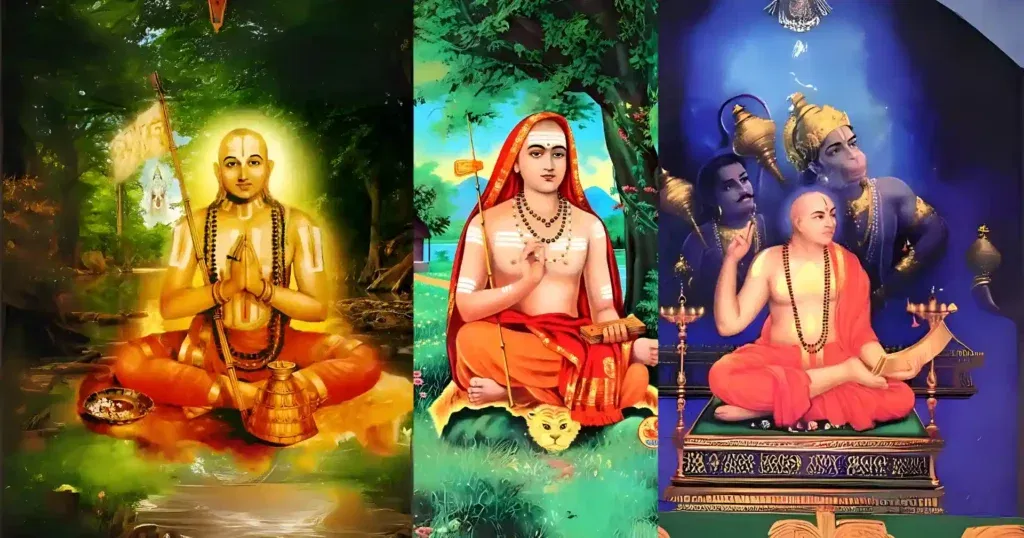
The three Matacharyas, Sri Shankara, Sri Madhwa, and Sri Ramanuja, provided distinct interpretations of the Vedanta Sutras, shaping philosophies like Vishishta Advaita. This article explores the three schools of thought and their reconciliation in understanding the Vedasor Shrutis.
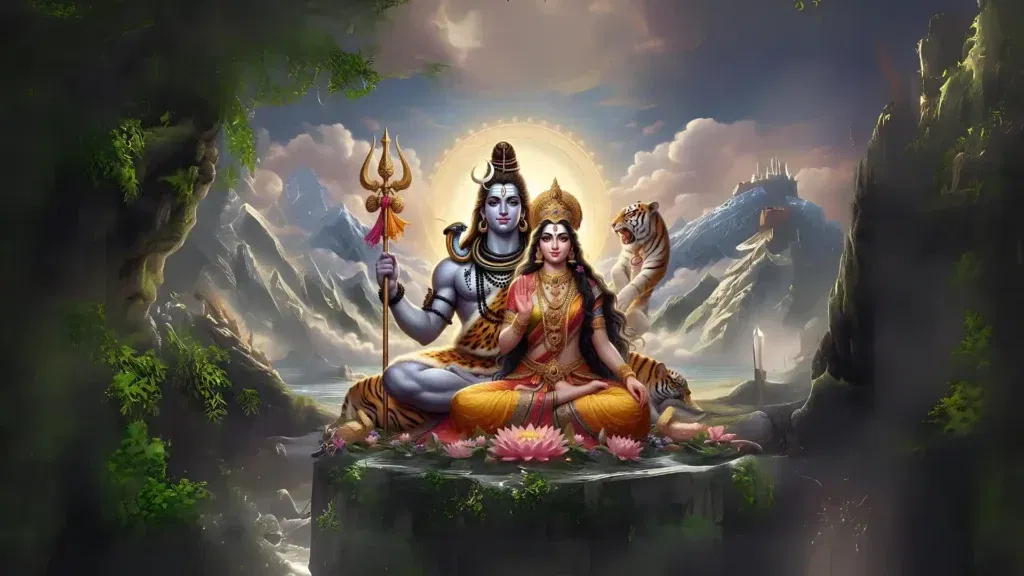
Shaivism, a core branch of Sanatana Dharma, encompasses diverse traditions like Advaita Shaivism, Southern Shaivism, and Kashmiri Shaivism. Its philosophy revolves around Shiva as the Supreme Reality, Shakti as His energy, and the 36 Tattvas explaining creation and liberation through Lord Shiva and Shakti.
Sanatana Dharma, upheld by its timeless scriptures and Guru Parampara, reveals the undistorted Truth essential for genuine peace and liberation. Amidst false narratives, the Dharma calls for devotion, self-awareness, and adherence to eternal principles for a meaningful life.
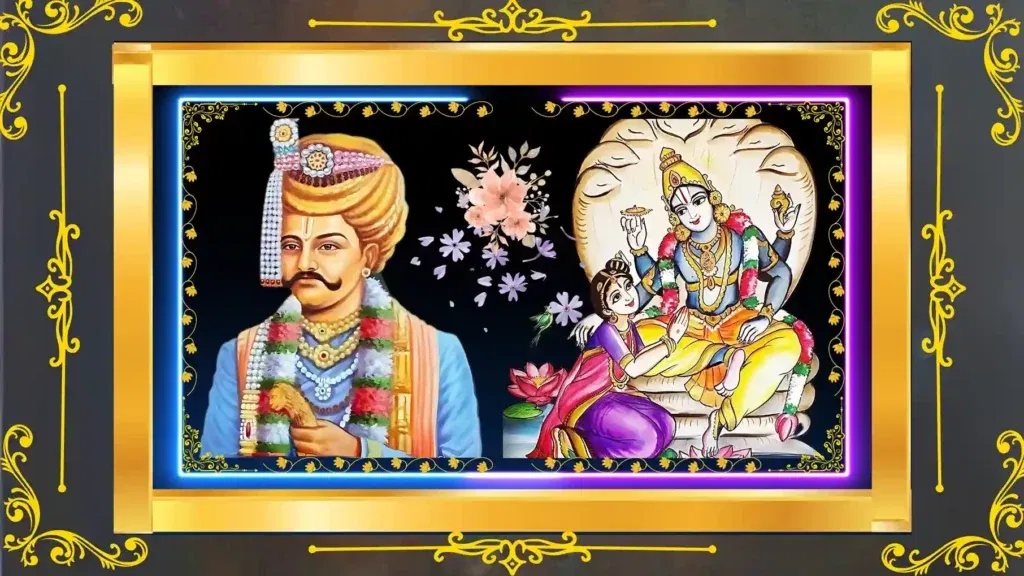
Amuktamalyada, composed by Krishnadevaraya, is a Telugu masterpiece focusing on Andal’s devotion and the king’s dedication to dharma. The poem offers spiritual depth, highlighting how an ideal ruler should balance governance with devotion.
Discover the spiritual benefits of bathing during the Magha month as narrated by Sage Vyasa to King Dilipa. Learn how this sacred practice brings untold virtues and divine blessings.
Magha Month: 7 Reasons Why it is Glorious and Auspicious Read More »

Though spirituality is the only solution, people try to fix these six types of suffering through diversions such as sense gratification, addiction, etc.
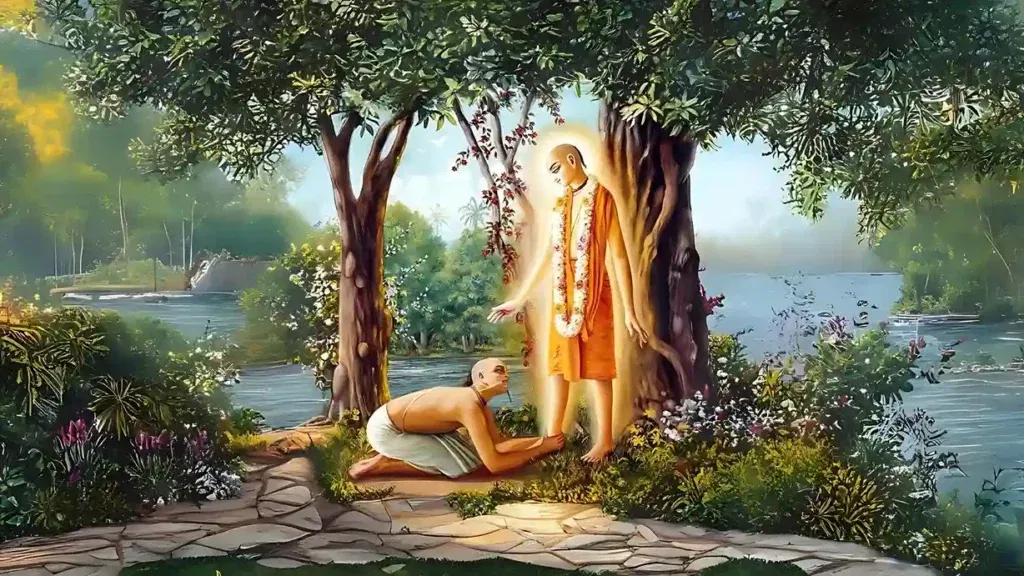
Sriman Chaitanya Mahaprabhu symbolizes the highest ideals of Dharma and Bhakti, embodying Lord Rama’s righteousness and Krishna’s divine play. His life and teachings guide devotees toward spiritual purity and uncompromising principles in all Ashramas, as seen with his interactions with Chota Haridas.
Chota Haridas: The 1 Great Lord Chaitanya Deva Chastises him Read More »
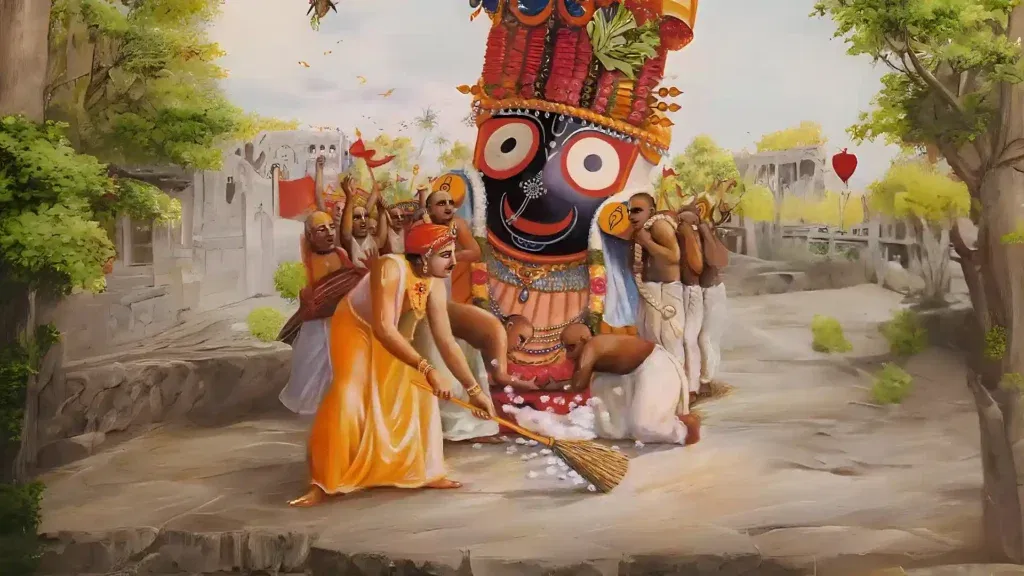
Lord Chaitanya Mahaprabhu, the combined incarnation of Radharani and Krishna, is central to Bhakti and spirituality, teaching profound lessons through his life and interactions. His pastimes, especially in Jagannatha Puri and Nawadwip, illuminate the significance of devotion, humility, and love for God, showcasing the eternal bond between the divine and the devotees.
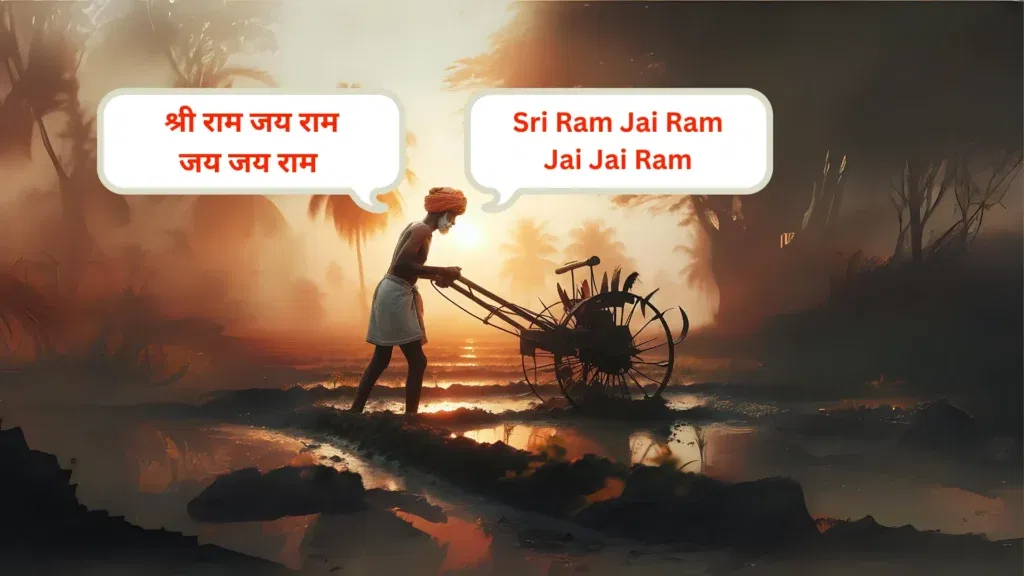
The Gita reveals that in Karma Yoga, the Yogi must align his actions with the Supreme, transitioning through Jnana Yoga and ultimately embracing Bhakti Yoga. This transformative journey purifies intentions, leading to spiritual enlightenment and deeper devotion.