

Insightful Buddhist Mantra: 4 Key Lessons
The Om Mani Padme Hum is a powerful Buddhist Mantra which is popular in the Tantric Traditions. There are many benefits of Chanting this Buddhist Mantra.

The Om Mani Padme Hum is a powerful Buddhist Mantra which is popular in the Tantric Traditions. There are many benefits of Chanting this Buddhist Mantra.
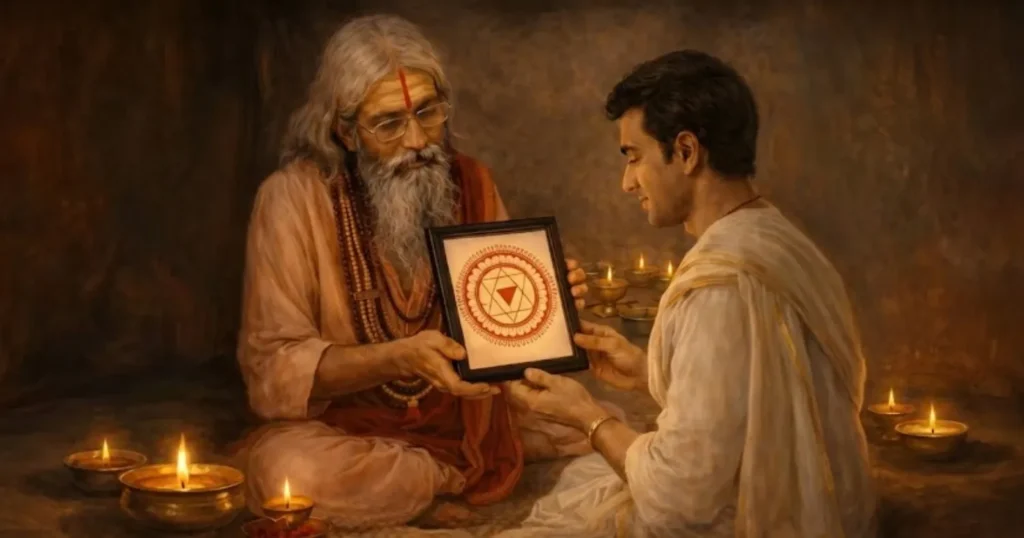
Learn Chamunda mantra benefits, safe chanting rules, and how Chamunda Yantra supports protection, discipline, and steady spiritual practice.
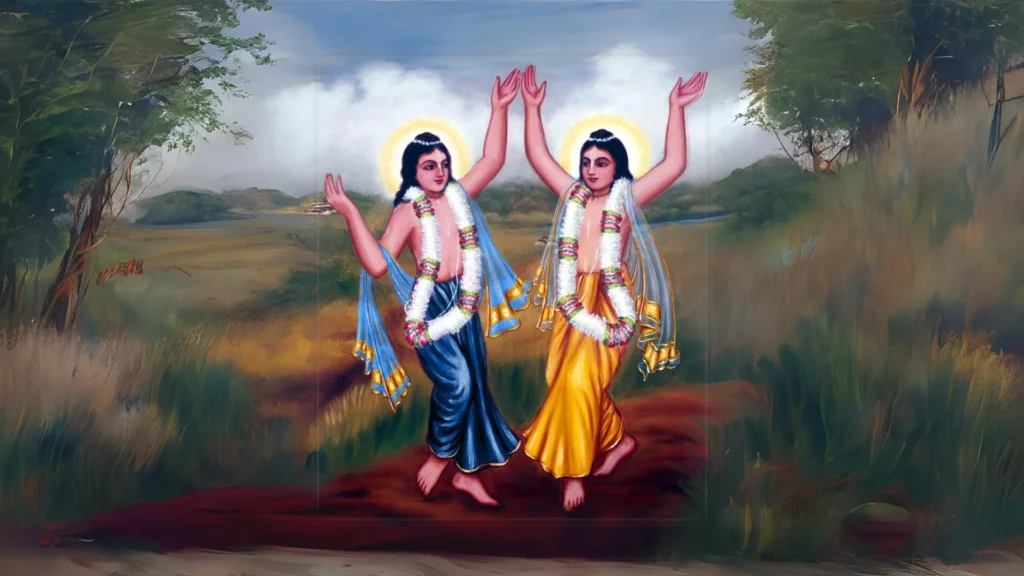
Lord Chaitanya Mahaprabhu, the golden avatar of Sri Krishna, appeared to spread the Hare Krishna Mahamantra, experience Radha’s divine love, and deliver Kaliyuga’s souls. Chanting His names brings love, bliss, and spiritual liberation.
3 Reasons for the Great Chaitanya Mahaprabhu’s Descent Read More »

The three modes of material nature—Sattva, Rajas, and Tamas—govern the mind and determine whether one incurs sin or elevates spiritually. True liberation is beyond these modes, where attachment, karma, and ego dissolve in divine surrender.
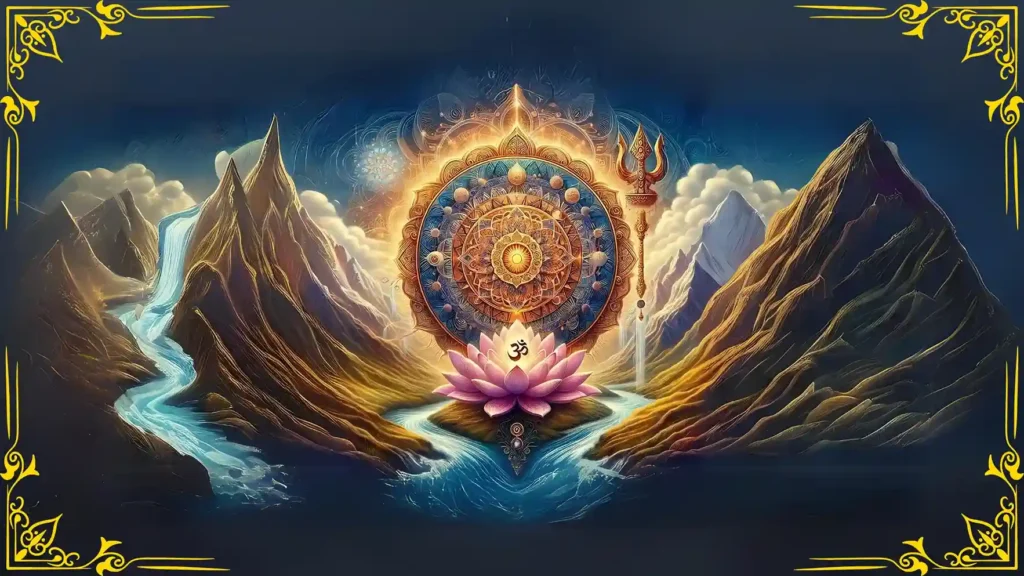
Sanatana Dharma, upheld by its timeless scriptures and Guru Parampara, reveals the undistorted Truth essential for genuine peace and liberation. Amidst false narratives, the Dharma calls for devotion, self-awareness, and adherence to eternal principles for a meaningful life.
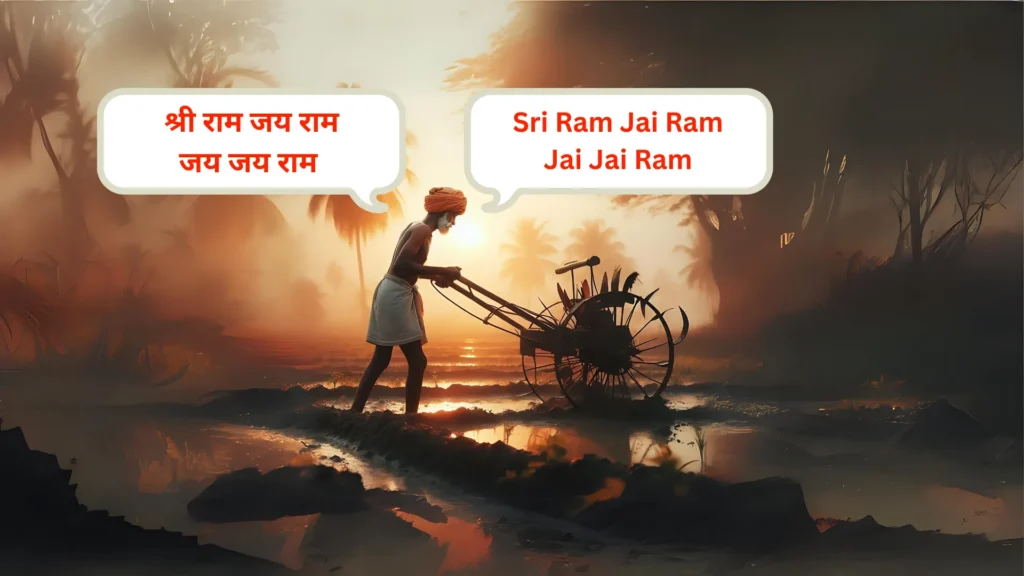
The Gita reveals that in Karma Yoga, the Yogi must align his actions with the Supreme, transitioning through Jnana Yoga and ultimately embracing Bhakti Yoga. This transformative journey purifies intentions, leading to spiritual enlightenment and deeper devotion.

The Pancha Devatas represent five divine manifestations of the Supreme, worshipped in different moods across various sampradayas. Among them, Sri Ganesha holds a unique place, with his legendary birth, spiritual significance, and role as the remover of obstacles.
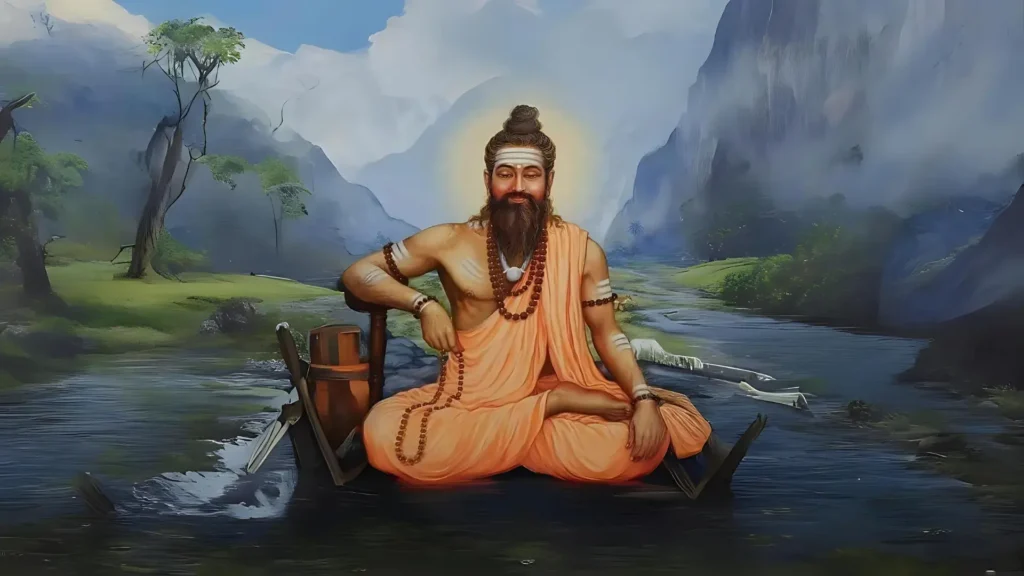
According to Shaivism, the soul is infinite. However, it is subservient to Shiva. Shiva is the Lord and protector of the souls (Pasu).

Charvaka Philosophy, rooted in sensory evidence, promotes material enjoyment and denies Vedic principles, while Sri Madhvacharya’s teachings emphasize discipline, karma, and a God-centric life. Their contrasting views define divergent paths in Indian philosophy.

Rama’s exile, Ravana’s downfall, Kaikeyi’s boons, Dasharatha’s curse, Ayodhya events, Hindu epics, Lord Rama, ancient history, spiritual lessons, Sri Rama, Kaikeyi’s curse
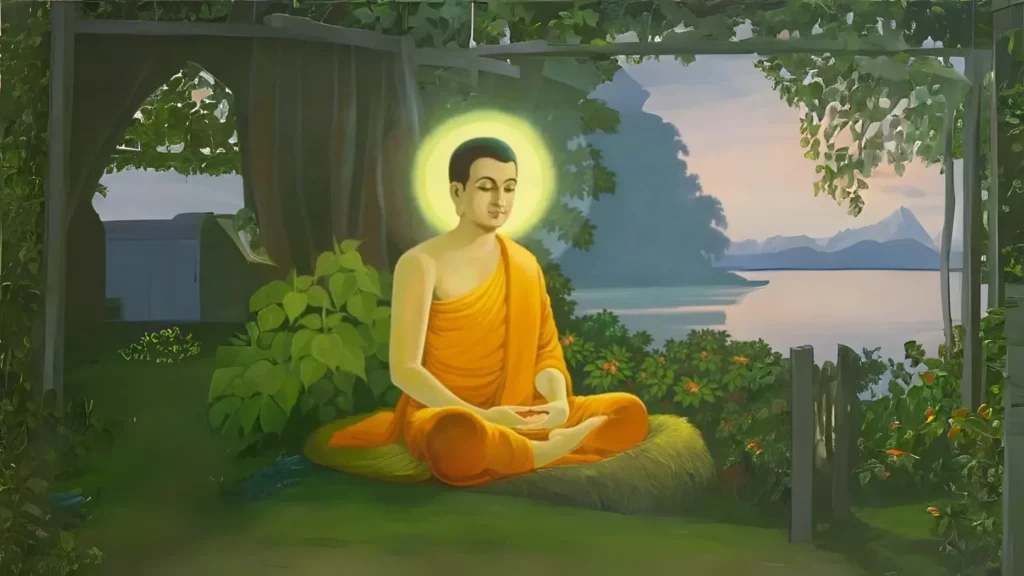
In Meditation, Breath relates to the thread that connects our worldly experiences with the inner instruments of the mind. Attention on the breath can end suffering.
Swami Ramakrishna Paramahamsa, an enlightened sage, was born in Bengal and dedicated his life to divine realization and devotion to Mother Kali. His spiritual journey led him through various religious paths, culminating in profound teachings on Bhakti, selflessness, and unity in diversity. His wisdom transformed disciples, including Swami Vivekananda, and inspired the Ramakrishna Mission. Explore his early life, divine experiences, and the impact of his teachings on spiritual seekers worldwide.